
x


 Oil On CanvasWallArtRococo Elegance
 1730Early Modern
 59.0 x 72.0 cm
 冬宫博物馆 (Hermitage Museum)




























从与原作比例一致的预设尺寸中进行选择。

您可以输入自定义尺寸,以适配特定的画框或空间。如果所选尺寸与原图比例不符,我们将通过裁剪作品或添加手绘元素来扩展画面。数字样稿将在制作开始前发送给您确认。
请注意,屏幕预览无法准确反映实际的裁剪或扩展效果,只有样稿才能真实呈现最终的构图。
虽然我们提供定制尺寸服务,但为了保留原作比例,建议您从预设列表中选择尺寸。

Crossing the Bridge
复制品尺寸
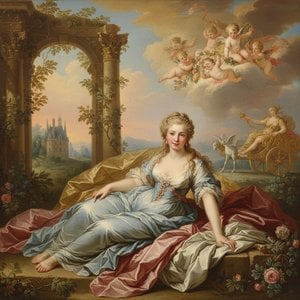
In the soft, luminous glow of the 18th century, few artists captured the ephemeral beauty of a summer afternoon as masterfully as François Boucher. His work, "Crossing the Bridge," serves as a breathtaking window into the Rococo era—a period defined by an unapologetic pursuit of grace, leisure, and aesthetic delight. At first glance, the viewer is transported to an idealized countryside, where the stresses of urban life dissolve into a tranquil tableau of pastoral serenity. A woman, moving with effortless poise, leads her horse and sheep across a weathered stone bridge, her journey mirrored by the slow, rhythmic presence of grazing cows and a watchful dog. This is not merely a landscape; it is a carefully orchestrated symphony of movement and stillness, designed to evoke a sense of profound peace and aristocratic nostalgia.
< p>The composition itself is a masterclass in balance and visual storytelling. Boucher employs a sophisticated pyramidal structure, anchoring the eye with the imposing silhouette of a majestic castle perched atop a distant hillside. This architectural weight provides a sense of permanence that contrasts beautifully with the fleeting, delicate nature of the foreground elements. The bridge acts as more than just a physical path; it serves as a narrative conduit, guiding the observer’s gaze from the intimate details of the animals and the traveler toward the grand, aspirational heights of the fortress. Through this clever arrangement, Boucher creates a sense of depth that invites the viewer to step into the canvas, wandering through the lush greenery and feeling the warmth of the sun-drenched landscape.To behold "Crossing the Bridge" is to witness the pinnacle of Rococo technique. Boucher was a virtuoso of trompe l'oeil effects, utilizing meticulous layering of pigments to breathe life into textures that feel almost tactile. One can almost sense the coarse wool of the sheep, the sturdy grain of the stone bridge, and the velvet softness of the meadow grass. His palette is famously ethereal, dominated by a romantic spectrum of pinks, peaches, and lavenders. These pastel hues do not merely decorate the scene; they bathe it in an atmospheric light that softens the edges of reality, creating a dreamlike quality that is both captivating and soothing.
The artist’s brushwork remains a subject of profound admiration for collectors and historians alike. While his strokes are delicate enough to capture the subtle gradations of a cloud or the gentle ripple of water, they possess an underlying confidence that lends the scene its vitality. This balance between precision and fluidity is what allows the painting to transcend mere imitation of nature, instead offering an elevated, idealized version of it. For the interior designer or the discerning art lover, this piece offers a unique opportunity to introduce a sense of historical grandeur and luminous warmth into a space, acting as a focal point that radiates elegance and timeless charm.
Beyond its aesthetic brilliance, "Crossing the Bridge" carries the weight of historical significance. Created in 1730, during the reign of Louis XV, the painting reflects the cultural values of a society that found beauty in the pastoral and the idyllic. The inclusion of livestock is not merely incidental; it pays homage to the agricultural foundations of French life, reimagined through a lens of aristocratic refinement. It is a celebration of a world where nature and civilization exist in perfect, harmonious equilibrium.
For those seeking to adorn their homes or galleries with works of profound emotional impact, a high-quality reproduction of this Boucher masterpiece offers more than just decoration. It provides an infusion of culture and a constant reminder of the enduring power of beauty. Whether placed in a sunlit morning room or a sophisticated study, "Crossing the Bridge" continues to inspire awe, offering a quiet sanctuary of color and light that remains as relevant and enchanting today as it was three centuries ago.

18世纪的法国艺术舞台上,弗朗索瓦·布歇(François Boucher, 1703-1770)无疑是一位举足轻重的艺术家。他以其优雅、感性以及充满趣味的精神,成为了洛可可风格最杰出的代表人物之一。他的作品不仅是那个时代的缩影,更体现了贵族阶层对奢华与享乐的追求。
1703年9月29日,弗朗索瓦·布歇出生于巴黎。他的艺术之路始于父亲让·布歇(Jean Boucher)的悉心教导,父亲本身也是一位画家。十七岁时,他凭借出色的天赋吸引了弗朗索瓦·勒莫因(François Lemoyne)的注意,并师从其门下接受短暂而富有成效的训练。随后,他又跟随雕刻家让-弗朗索瓦·卡尔斯(Jean-François Cars)学习精湛的技艺,最终在1720年赢得了声名显赫的罗马大奖,为他开启了通往艺术巅峰的大门。
布歇获得罗马大奖后前往意大利深造,这段经历对他产生了深远的影响。回到法国后,他在1731年被接纳进入皇家绘画雕塑学院(Académie Royale de Peinture et de Sculpture)。他的接纳作品“林达尔与阿玛达”(Rinaldo and Armida, 1734)立刻确立了他作为洛可可风格大师的地位。这一时期,他逐渐形成了独特的艺术语言,其特点是细腻的笔触、柔和的色彩以及对神话和田园主题的强调。
布歇的作品题材十分广泛,涵盖了神话、肖像、风俗画以及装饰艺术等多个领域。他最著名的作品包括:
在布歇的作品中,爱情、美、休闲以及理想化的神话世界是反复出现的主题。他的绘画作品常常营造出一种充满情趣的氛围,并传递着精致优雅的情感。
布歇的影响力远远超出了绘画领域。他曾为剧院设计服装和舞台布景,为博韦(Beauvais)工坊创作挂毯,并与戈贝林工坊(Gobelins Manufactory)合作。1765年被任命为国王首席画家(Premier Peintre du Roi),进一步巩固了他作为法国洛可可风格领军艺术家的地位。
尽管后世评论家对洛可可艺术的表面性提出了质疑,但布歇的影响力是不可否认的。他影响了让-奥诺雷·弗拉戈纳尔(Jean-Honoré Fragonard)等艺术家,并通过他的学生为新古典主义的发展做出了重要贡献。
弗朗索瓦·布歇的作品为我们了解18世纪法国社会的风尚和价值观提供了宝贵的窗口。他的绘画作品反映了那个时代贵族文化的特征,包括奢华、精致以及对享乐的追求。他至今仍是一位重要的艺术人物,以其精湛的技艺、创新的艺术理念以及对洛可可风格的持久贡献而备受赞誉。

1703 - 1770 , 法国
Explore the captivating world of François Boucher, master of Rococo painting! Discover his iconic works, aristocratic patronage, and lasting influence on French art history. Learn more at WahooArt.

Explore the captivating history of pastoral art from classical Arcadia to modern masterpieces. Discover key artists like Millet & Cole at WahooArt. Find serene landscape paintings for your home.

Explore the rich history of pastoral art from classical Arcadia to contemporary interpretations. Discover key artists, themes & collecting tips at WahooArt.

探索洛可可艺术的辉煌!本文精选十幅名作,从华丽色彩到精致细节,揭秘法国洛可可风格的魅力。跟随大师们的足迹,感受艺术史上的优雅与浪漫。WahooArt.com为您提供博物馆品质的艺术复制品和个性化家居装饰方案。尽在WahooArt.com!

深入探索18世纪洛可可艺术的奢华与反叛。了解其风格特征、代表画家及其作品,以及对后世艺术的影响。WahooArt提供精美手绘油画复制品和专业艺术咨询服务。


第一时间获取最新的艺术新闻、独家优惠及装饰灵感。
向我们介绍您的项目需求,我们的艺术专家将为您提供 3 个个性化的艺术品推荐。
由我们的专家为您精选 3 款心仪之作 —— 完全免费!


 效果预览
效果预览
 购买印刷品
购买印刷品 分享
分享 分享
分享
 详情
详情

 下载
下载
 相似作品
相似作品 X射线
X射线 幻灯片播放
幻灯片播放 展开详情
展开详情









 玻璃选项仅适用于110厘米以下的尺寸。


