
 Acrylic On CanvasWallArtRococo
 1734
1734 32.0 x 23.0 cm
 纽约现代艺术博物馆
博物馆级艺术微喷或帆布版画,制作高效,并提供多种饰面选择。 ( 购买手绘画作 切换至数字图像销售渠道)





























从与原作比例一致的预设尺寸中进行选择。

您可以输入自定义尺寸,以适配特定的画框或空间。如果您选择的尺寸与原图比例不符,我们将对作品进行裁剪,或通过镜像填充/纯色填充边缘的方式来扩展图像。在开始制作之前,我们会向您发送一份数字效果图供您确认。
请注意,屏幕上的预览并不能反映实际的裁剪或扩展效果。只有效果图才能准确展示最终的构图。
虽然我们提供定制尺寸,但为了保持原图比例,我们建议您从预设列表中选择尺寸。

Andromeda (Andromède)
复制品尺寸
François Boucher's "Andromeda," painted in 1734, isn’t merely a depiction of a classical myth; it’s an immersion into the shimmering world of Rococo – a realm defined by opulent beauty, delicate emotion, and a profound appreciation for sensual detail. This captivating work transcends its narrative roots, offering a glimpse into Boucher's masterful technique and his deep understanding of how to evoke both grandeur and intimacy within a single canvas. The painting portrays the pivotal moment when Perseus rescues Andromeda from her agonizing fate, chained to a rock cliff awaiting sacrifice to the monstrous Cetus. Yet, it’s not simply a heroic rescue; it’s a tableau brimming with an almost palpable sense of vulnerability, longing, and nascent hope.
Boucher's signature style is immediately apparent: a deliberate avoidance of stark realism in favor of a luminous, idealized beauty. The composition unfolds with a graceful fluidity, drawing the eye through layers of pastel hues and exquisitely rendered textures. Notice how he employs *sfumato*, a technique borrowed from Leonardo da Vinci, to soften edges and create an atmospheric haze, lending the scene an ethereal quality. The colors are rich but restrained – deep blues and purples dominate the stormy sea, contrasted by the warm golds and creams of Andromeda’s gown and the radiant light emanating from Perseus's outstretched hand. This careful orchestration of color isn’t just decorative; it subtly guides the viewer’s gaze and reinforces the emotional narrative.
The story behind “Andromeda” is steeped in Greek mythology, a wellspring of inspiration for Boucher and his contemporaries. The tale recounts how Cassiopeia, queen of Aethiopia, boasted about her beauty surpassing that of the Nereids – sea nymphs. As punishment from Poseidon, the god of the sea, Cetus, a fearsome sea monster, was unleashed to ravage the coastline. To appease the enraged deity, Andromeda was chained to a rock as a sacrificial offering. Perseus, a heroic figure in Greek mythology, intervened, slaying the monster and rescuing the princess. This narrative resonated deeply within the Rococo era, providing a framework for exploring themes of love, courage, and divine intervention – all rendered with Boucher’s characteristic elegance.
The painting captures this dramatic moment with remarkable sensitivity. Andromeda isn't depicted as a passive victim; her posture conveys a mixture of terror and resignation, yet also a glimmer of anticipation. Her arms are outstretched, not in supplication, but seemingly reaching for salvation. Perseus, positioned slightly above and to the right, embodies strength and determination. His gesture is one of decisive action, radiating a warm light that promises deliverance. The surrounding figures – the birds circling overhead, the fish leaping from the waves, the subtle hints of other mythological beings – contribute to the overall sense of drama and wonder.
Boucher's skill as an etcher is evident in every brushstroke. His draftsmanship is impeccable; each figure is rendered with meticulous detail, from the delicate folds of Andromeda’s gown to the muscular contours of Perseus’s body. The artist demonstrates a remarkable ability to capture texture – the rough surface of the rock, the shimmering scales of the fish, the flowing fabric of the princess's attire. This attention to detail isn’t merely superficial; it adds depth and realism to the scene, drawing the viewer into its world.
Furthermore, Boucher masterfully employs *alla prima* painting – working directly onto the wet canvas without underdrawing. This technique allows for a remarkable spontaneity and fluidity of brushwork, contributing to the painting’s luminous quality. The layering of translucent glazes creates an incredible sense of depth and atmosphere, while the subtle variations in color and tone add richness and complexity to the composition. It's a testament to Boucher's control and his ability to seamlessly blend technique with artistic vision.
Beyond its narrative content, “Andromeda” is rich in symbolism. The sea monster Cetus represents chaos and destruction, while Perseus embodies order and salvation. Andromeda’s plight symbolizes vulnerability and the need for protection, while her eventual rescue signifies hope and renewal. The use of light and shadow further reinforces these themes – the radiant glow emanating from Perseus's hand contrasts sharply with the darkness surrounding Andromeda, suggesting the transformative power of love and courage.
Ultimately, “Andromeda” is a painting that speaks to the human condition—to our capacity for both suffering and resilience. It’s a celebration of beauty, grace, and the enduring power of myth. Reproductions capture much of this essence, offering a window into Boucher's world and inviting viewers to contemplate the timeless themes explored within this exquisite masterpiece.

18世纪的法国艺术舞台上,弗朗索瓦·布歇(François Boucher, 1703-1770)无疑是一位举足轻重的艺术家。他以其优雅、感性以及充满趣味的精神,成为了洛可可风格最杰出的代表人物之一。他的作品不仅是那个时代的缩影,更体现了贵族阶层对奢华与享乐的追求。
1703年9月29日,弗朗索瓦·布歇出生于巴黎。他的艺术之路始于父亲让·布歇(Jean Boucher)的悉心教导,父亲本身也是一位画家。十七岁时,他凭借出色的天赋吸引了弗朗索瓦·勒莫因(François Lemoyne)的注意,并师从其门下接受短暂而富有成效的训练。随后,他又跟随雕刻家让-弗朗索瓦·卡尔斯(Jean-François Cars)学习精湛的技艺,最终在1720年赢得了声名显赫的罗马大奖,为他开启了通往艺术巅峰的大门。
布歇获得罗马大奖后前往意大利深造,这段经历对他产生了深远的影响。回到法国后,他在1731年被接纳进入皇家绘画雕塑学院(Académie Royale de Peinture et de Sculpture)。他的接纳作品“林达尔与阿玛达”(Rinaldo and Armida, 1734)立刻确立了他作为洛可可风格大师的地位。这一时期,他逐渐形成了独特的艺术语言,其特点是细腻的笔触、柔和的色彩以及对神话和田园主题的强调。
布歇的作品题材十分广泛,涵盖了神话、肖像、风俗画以及装饰艺术等多个领域。他最著名的作品包括:
在布歇的作品中,爱情、美、休闲以及理想化的神话世界是反复出现的主题。他的绘画作品常常营造出一种充满情趣的氛围,并传递着精致优雅的情感。
布歇的影响力远远超出了绘画领域。他曾为剧院设计服装和舞台布景,为博韦(Beauvais)工坊创作挂毯,并与戈贝林工坊(Gobelins Manufactory)合作。1765年被任命为国王首席画家(Premier Peintre du Roi),进一步巩固了他作为法国洛可可风格领军艺术家的地位。
尽管后世评论家对洛可可艺术的表面性提出了质疑,但布歇的影响力是不可否认的。他影响了让-奥诺雷·弗拉戈纳尔(Jean-Honoré Fragonard)等艺术家,并通过他的学生为新古典主义的发展做出了重要贡献。
弗朗索瓦·布歇的作品为我们了解18世纪法国社会的风尚和价值观提供了宝贵的窗口。他的绘画作品反映了那个时代贵族文化的特征,包括奢华、精致以及对享乐的追求。他至今仍是一位重要的艺术人物,以其精湛的技艺、创新的艺术理念以及对洛可可风格的持久贡献而备受赞誉。

1703 - 1770 , 法国

Discover the breathtaking elegance of Rococo portraiture. Explore an expert guide to 18th-century mastery, from pastel palettes to aristocratic grandeur, and learn how to bring this era of opulence into your home through museum-quality oil reproductions.

Embark on a sophisticated journey through the eternal allure of mythological art. Discover how master painters breathe life into ancient legends, from Greek deities to Baroque masterpieces, and learn to curate these timeless narratives within your own exquisite art collection.

Explore the profound beauty of mythological figures through the lens of art history. From Renaissance masterpieces to custom oil reproductions, discover how legendary tales of heroism and divinity are immortalized in fine art for discerning collectors.
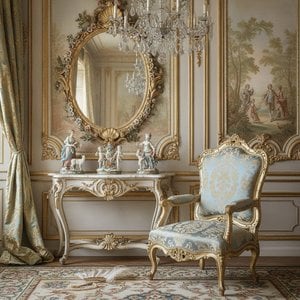
Discover the exquisite allure of Rococo art. Explore a curated guide to 18th-century French masterpieces, from Watteau to Fragonard, and learn how hand-painted oil reproductions can bring timeless elegance and luxury to your sophisticated interior design collection.

Immerse yourself in the splendor of Rococo art. Discover the era of elegance through masterworks by Watteau and Fragonard. Explore themes of romance, aristocratic leisure, and gilded ornamentation in this definitive guide to 18th-century French opulence.


 效果预览
效果预览
 分享
分享 分享
分享
 详情
详情 指南
指南

 下载
下载
 相似作品
相似作品 X射线
X射线 幻灯片播放
幻灯片播放 统计数据
统计数据 展开详情
展开详情









 玻璃选项仅适用于110厘米以下的尺寸。


