
博物馆级艺术微喷或帆布版画,制作高效,并提供多种饰面选择。 ( 购买手绘画作 切换至数字图像销售渠道)





























从与原作比例一致的预设尺寸中进行选择。

您可以输入自定义尺寸,以适配特定的画框或空间。如果您选择的尺寸与原图比例不符,我们将对作品进行裁剪,或通过镜像填充/纯色填充边缘的方式来扩展图像。在开始制作之前,我们会向您发送一份数字效果图供您确认。
请注意,屏幕上的预览并不能反映实际的裁剪或扩展效果。只有效果图才能准确展示最终的构图。
虽然我们提供定制尺寸,但为了保持原图比例,我们建议您从预设列表中选择尺寸。

Duendecitos
复制品尺寸
Francisco José de Goya y Lucientes' "Duendecitos" (Little Spirits) is not merely an etching; it’s a carefully constructed descent into the unsettling heart of human nature. Created around 1797-1799, during a period of profound personal and societal upheaval in Spain, this work embodies Goya’s masterful ability to blend technical brilliance with deeply psychological exploration. The image presents three diminutive figures – often interpreted as mischievous goblins or even representations of the Spanish clergy – engaged in an activity shrouded in ambiguity, set within a dimly lit interior that feels both familiar and profoundly unsettling.
The composition itself is strikingly direct, drawing the viewer’s eye immediately to these central characters. Arranged in a loose triangular formation, they command the frame with an almost claustrophobic intensity. Goya employs a deliberate lack of perspective, flattening the space and prioritizing emotional impact over realistic representation. This technique, characteristic of his later work, contributes to the overall sense of unease – as if we’ve stumbled upon a private, disturbing tableau. The monochromatic palette—a symphony of grays and whites—further amplifies this effect, stripping away any potential distraction from the figures' expressions and gestures.
Goya’s genius lies in his manipulation of line and texture through the etching process. Each jagged, uneven stroke is not simply a depiction of form but a deliberate expression of feeling. The lines defining the figures’ clothing are particularly forceful, conveying both their diminutive size and an underlying sense of menace. Notice how the cross-hatching—a dense layering of parallel lines—creates areas of deep shadow, suggesting hidden depths and hinting at the darkness within these seemingly playful spirits. The texture itself becomes a key element of the artwork's narrative; it’s not just about *what* is depicted but *how* it’s rendered – the roughness and vulnerability of the surfaces mirroring the unsettling nature of the scene.
The meaning of “Duendecitos” has been debated for centuries, with interpretations ranging from a critique of religious corruption to a broader commentary on human folly. The figures’ ambiguous actions—seemingly engaged in a boisterous game involving wine—suggest a disregard for societal norms and perhaps even a hint of malice. Goya frequently used folklore and superstition as metaphors for deeper social anxieties, and the “duendecitos” undoubtedly tap into this tradition. Many scholars believe they represent corrupt clergy, indulging in excess while the populace suffers. The exaggerated features – particularly the prominent teeth of one figure – are deliberately grotesque, reinforcing this interpretation.
"Duendecitos" is a quintessential example of Goya’s mature style—a period marked by an increasingly dark and introspective vision. The dramatic lighting, with its stark contrasts between light and shadow, creates a palpable sense of foreboding. It's reminiscent of his later works like “Saturn Devouring His Son,” reflecting the artist’s growing preoccupation with themes of madness, mortality, and the decay of civilization. This etching stands as a powerful testament to Goya’s ability to transform technical skill into profound psychological insight, cementing his place as one of art history's most enduringly unsettling and profoundly moving figures.
WahooArt offers meticulously crafted hand-painted reproductions of “Duendecitos,” allowing you to experience the full impact of this iconic artwork in a stunningly authentic format. Bring Goya’s haunting vision into your home or office – a captivating piece that speaks volumes about the complexities of human nature and the enduring power of art.


1746 - 1828 , 西班牙

Embark on a sophisticated exploration of Spanish art history, from the chiaroscuro mastery of Velázquez to the profound shadows of Goya. Discover how the dramatic light and emotional depth of Spain's greatest masters continue to inspire collectors and connoisseurs today.

Explore the profound drama of Spanish Baroque art. Delve into the mastery of light, shadow, and realism through the legendary works of Diego Velázquez and the Spanish Golden Age.
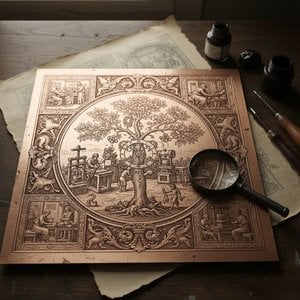
Explore the intricate world of etching and intaglio printmaking. Discover how masters use acid and metal to create profound textures and lines, from Romanticism to modern era, through an expert lens of art history and technical mastery.


 效果预览
效果预览
 分享
分享 分享
分享
 详情
详情

 下载
下载
 相似作品
相似作品 X射线
X射线 幻灯片播放
幻灯片播放 统计数据
统计数据

 展开详情
展开详情









 玻璃选项仅适用于110厘米以下的尺寸。


