































从与原作比例一致的预设尺寸中进行选择。

您可以输入自定义尺寸,以适配特定的画框或空间。如果您选择的尺寸与原图比例不符,我们将对作品进行裁剪,或通过镜像填充/纯色填充边缘的方式来扩展图像。在开始制作之前,我们会向您发送一份数字效果图供您确认。
请注意,屏幕上的预览并不能反映实际的裁剪或扩展效果。只有效果图才能准确展示最终的构图。
虽然我们提供定制尺寸,但为了保持原图比例,我们建议您从预设列表中选择尺寸。

Three Figures in a Room, left
复制品尺寸
Francis Bacon's "Three Figures," completed in 1964, stands as one of the most unsettling and iconic paintings of the mid-century period. More than just a depiction of three individuals inhabiting a room—though that alone is fraught with tension—it’s an exploration of profound psychological distress, rendered with a masterful blend of technique and symbolism that continues to resonate with audiences today.
The painting's style aligns squarely within Bacon’s signature Expressionist aesthetic. Rejecting representational accuracy in favor of conveying emotion directly onto the canvas, he employed a method known as “squeeze”—a process where paint is forced out of tubes under pressure, creating distorted and fragmented forms. This technique isn’t merely stylistic; it's fundamentally linked to Bacon’s belief that painting should capture the visceral experience of consciousness itself – the feeling of being overwhelmed by internal turmoil.
“Three Figures” transcends mere visual depiction; it’s an invitation to confront uncomfortable truths about human existence. Bacon deliberately eschewed comforting illusions, presenting instead a brutally honest portrayal of psychological suffering. The painting's enduring power lies in its ability to evoke empathy and provoke contemplation—a testament to Bacon’s genius as both artist and philosopher.
Its influence extends far beyond the art world, informing discussions about trauma, identity, and the complexities of human emotion. Collectors appreciate “Three Figures” not only for its aesthetic qualities but also for its profound intellectual depth – a reminder that art can serve as a conduit for confronting our deepest fears and vulnerabilities.
Bacon's distinctive approach to painting—the “squeeze” technique—was born out of necessity and driven by an unwavering commitment to capturing the essence of psychological experience. Rather than meticulously blending colors on a palette, he applied paint directly from tubes under considerable pressure.
This technique wasn't simply about achieving visual effect; it was fundamentally rooted in Bacon’s conceptual framework—his conviction that painting should strive to represent the feeling of being overwhelmed by internal turmoil. By rejecting conventional methods, Bacon prioritized conveying emotion above all else.
Bacon's masterful use of color contributes significantly to the painting’s unsettling atmosphere. He predominantly employed muted browns and ochres—a palette deliberately chosen to evoke feelings of darkness, decay, and repression.
The subdued hues serve as a visual embodiment of Bacon’s preoccupation with existential angst—a refusal to offer solace or reassurance. Instead, he presented viewers with an unflinching depiction of inner darkness – a courageous stance that solidified Bacon's reputation as one of the most uncompromising artists of his time.


1909 - 1992 , 爱尔兰

探索弗朗西斯·培根25幅震撼人心的杰作,深入了解这位现代艺术大师的创作故事与情感世界。从《三幅习作》到肖像画,感受抽象表现主义的魅力。WahooArt.com提供高品质艺术品复制,为您的家居空间增添艺术气息!立即探索完整系列。
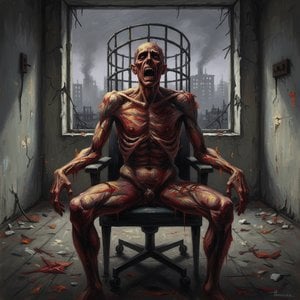
Explore the profound existential anguish of Francis Bacon's art. Discover how trauma shaped his iconic paintings & lasting influence on modern expressionism. A guide for discerning collectors.

Explore the captivating world of Francis Sartorius II (1734-1804), a leading British painter renowned for his exquisite equestrian portraits and hunting scenes. Discover his life, techniques & enduring legacy.
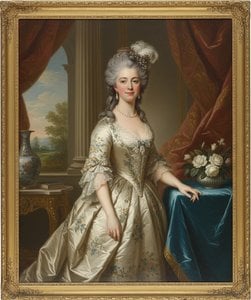
Explore the elegant world of Francis Cotes, pioneer of English pastel painting & celebrated Georgian portraitist. Discover his captivating portraits, artistic techniques, and lasting influence on 18th-century art.

Explore the rich history of formal portraiture & its enduring power to capture identity and shape perception. Discover investment-worthy artworks, expert appraisals, and custom reproduction services at WahooArt.


 效果预览
效果预览
 购买手绘画作
 分享
分享 分享
分享
 详情
详情

 下载
下载
 相似作品
相似作品 X射线
X射线 幻灯片播放
幻灯片播放

 展开详情
展开详情









 玻璃选项仅适用于110厘米以下的尺寸。


