
博物馆级艺术微喷或帆布版画,制作高效,并提供多种饰面选择。 ( 订购纯手工绘制画作 切换至数字图像销售渠道)





























您可以从与原作比例一致的预设尺寸中进行选择。

请输入您所需的宽度和高度,以适配您的画框或墙面。由于印刷品只能进行裁剪,无法超出原图尺寸,因此若比例不一致,画面的一部分将会被裁切。在正式印刷之前,我们会为您发送一份数字效果图供您确认。本页面显示的图片并非最终裁剪后的效果——只有效果图才能展示真实的裁剪情况。
Study of Red Pope second version
复刻品尺寸
In the hauntingly profound "Study of Red Pope Second Version," created in 1971, Francis Bacon invites the viewer into a space where the boundaries between physical form and psychological disintegration dissolve. This masterpiece is far more than a mere portrait; it is a visceral exploration of human vulnerability and the crushing weight of existence. At its center sits a figure draped in an intense, crimson robe, seated with a rigid, almost agonizing posture, hands clasped tightly to his chest as if attempting to hold together a fracturing soul. The presence of another figure, partially obscured or observing from the periphery, adds a layer of voyeuristic tension, making the viewer feel like an intruder in a private moment of profound spiritual or mental crisis.
The atmosphere of the work is thick with shadow and uncertainty. Set within a dimly lit, cavernous space that feels both claustrophobic and infinitely empty, the painting utilizes a stark, dramatic lighting that pulls the vibrant red of the papal robes into sharp, unsettling relief against the surrounding gloom. For collectors and enthusiasts of fine art, this piece offers a profound emotional resonance, serving as a centerpiece that commands attention through its sheer intensity and the way it captures the silent screams of the human condition.
Bacon’s technique in this second version of his "Red Pope" study is a masterclass in controlled chaos. Eschewing the polished finish of traditional portraiture, he employs a method of fragmentation that mirrors the shattered psyche of his subject. The canvas is not a smooth window into reality but a textured battlefield of pigment. Through the use of thick, "squeeze" paint applications and a deliberate layering process, Bacon creates a surface that feels alive, almost pulsating with an unstable energy. He frequently scraped back layers of wet paint to reveal underlying colors, creating a sense of depth that suggests something being unearthed or stripped away.
This approach to texture is fundamental to the painting's emotional impact. The irregular planes and blurred edges prevent the eye from resting, forcing a continuous movement across the canvas that mimics the instability of thought and feeling. For interior designers seeking to introduce a sense of intellectual depth and avant-garde drama to a space, a high-quality reproduction of this work provides a sophisticated focal point, bringing the tactile, expressive power of mid-century expressionism into a contemporary setting.
To understand the gravity of "Study of Red Pope Second Version," one must look to the era from which it emerged. Painted in 1971, the work is steeped in the pervasive anxieties of the late Cold War period—a time defined by the looming shadow of nuclear proliferation and a widespread disillusionment with established institutions. The choice of a papal figure—traditionally a symbol of ultimate authority and spiritual stability—is profoundly subversive. By rendering this icon of power in a state of visible, fragmented distress, Bacon critiques the fragility of all human structures, whether religious, political, or personal.
The symbolism within the piece is deeply rooted in the existentialist philosophies of Jean-Paul Sartre and Albert Camus. The painting embodies the concept of existential angst—the realization of the individual's isolation in an indifferent universe. The crimson color, while visually striking, also evokes themes of blood, passion, and suffering, further intertwining the physical body with the spiritual struggle. Owning a reproduction of such a significant work allows one to possess a fragment of this historical dialogue, offering a timeless meditation on the resilience and fragility of the human spirit that continues to captivate and provoke the modern observer.
凭借其Dark的色调,弗朗西斯·培根 的《Study of Red Pope second version》非常适合布置在Living Room中。其色彩搭配正是这一推荐的核心原因。
弗朗西斯·培根 的《Study of Red Pope second version》 呈现出Balanced的色彩强度。
弗朗西斯·培根 的《Study of Red Pope second version》 的记录数值为:亮度 balanced,亮度感 Soft Shadow。

弗朗西斯·培根于1909年10月28日出生于爱尔兰都柏林。他在爱尔兰乡间的一所房子里度过了童年,父亲是一名赛马训练师。他的童年充满了身体上的挣扎;由于患有严重的哮喘,呼吸对他而言往往是一项艰巨的任务。在年幼时期,他还体验过一种被禁锢的感觉,他记得曾被女仆关在黑暗的橱柜里很长时间。这种窒息感,以及在爱尔兰革命时期,家人躲藏在锁闭房间里的恐惧,在他的早年岁月中留下了持久的烙印。
他的教育很大程度上是私人的,由家庭教师在室内进行,而非在传统的教室中。这种不寻常的成长方式意味着他从未遵循过艺术学校学徒制的标准路径。十六岁时,少年时代的躁动不安促使他离开爱尔兰农村的家,前往伦敦寻找机遇。十七岁时,他抵达这座城市,依靠母亲提供的津贴在复杂的都市生活中艰难维生。
到了20世纪20年代后期,弗朗西斯·培根已成为一个处于不断变动中的灵魂。他穿梭于伦敦、柏林和巴黎的街头,过着一种与其居住的城市一样动荡不安的生活。1928年,他定居伦敦,并发现自己正处于这座城市波希米亚式生活圈的核心。那是一个充满流浪与生存挣扎的时期,他在这些欧洲文化枢纽之间迁徙,身上散发着一种躁动不安的生命能量。当时,他依靠母亲提供的津贴维持生计,并从事各种零工来度过难关。
在这些年里,他的职业生涯与室内设计和装饰领域紧密相连。他花费了大量时间研究纹理与形状,为他人的居所创造各种具有结构感的物件。然而,一个转折性的时刻出现在20世纪20年代末的一次巴黎之行中。他参观了一场毕加索的作品展,那一幕彻底改变了他的生命轨迹。毕加索处理人体的方式——将其视为一种有机且带有骨骼感的存在——为他提供了一种观察世界的全新视角。于是,他决定告别设计领域,投身于绘画创作,这一抉择最终定义了他此后的一生。
在世界将他视为画家之前,弗朗西斯·培根的职业生涯早期曾是一名室内设计师和装饰师。这段时期对他而言是务实且具有结构感的,与他后来在伦敦、柏林和巴黎之间漂泊的动荡岁月形成了鲜明对比。他并未遵循传统的艺术家之路,完全绕过了艺术学校和正式的学徒训练。相反,他是一位自学成才的人,通过直接的观察和塑造物理空间的实践工作来汲取养分。
他在设计领域的贡献绝非微不足道。他曾创作带有抽象图案的皇家威斯敏斯特(Royal Wilton)地毯,为那个时代的审美贡献了力量。他对形式的敏锐触觉延伸到了各种家居用品和家具上,包括小牛皮坐墩、鸡尾酒架和屏风。他还设计过椅子,经常利用管状钢材和玻璃来创造具有现代感和几何感的轮廓。这些早年的经历赋予了他对结构以及物体如何占据空间这一课题的深刻理解。
这种装饰艺术的背景在他后来的画布处理方式上留下了持久的烙印。他曾经为居住空间构建的几何形状和建筑框架,最终转化成了定义其绘画风格的透明笼子和空间结构。他从设计人们居住的物理环境,转向了创造囚禁其主题的心理空间。即便在放弃设计转向绘画之后,那种对“构建”的感知依然根深蒂固地存在于他的创作之中。
弗朗西斯·培根对画布的处理方式是如此直接且具有肉体感。他运用油彩与巨大的画笔,以一种沉重且即时的方式涂抹色彩。他的色彩往往呈现出一种被抹开的、暴力的质感,旨在剥离任何装饰性的舒适感。通过这种手段,他创造出那些表达着深刻孤独、残暴与恐惧的人物形象。他并不追求传统肖像画那种精致的完成度,而是更倾向于捕捉生命在脆弱状态下最原始的感官体验。
为了组织这些强烈的情感,他经常使用一种特殊的结构化手段。他采用了一种被称为“空间框架”的立方体建筑式构图系统。这些几何构造如同透明的囚笼,将他的主体禁锢在一个明确且往往令人感到幽闭恐惧的空间内。通过将人物置于这些僵硬的结构之中,他能够凝聚画面视觉重心,迫使观众直面主体的孤立状态。这种技法帮助他摆脱了简单的叙事功能,转而专注于人体形式所带来的直觉冲击。
他还找到了一种在不承载信仰重担的情况下,利用传统宗教意象的方法。他将“受难”的概念作为一种骨架,一种可以悬挂特定痛苦感官的结构支撑。这使他能够通过生理与心理双重痛苦的视角,去探索人类的生存境遇。他的作品往往依赖这些骨架式的框架,来承载那些扭曲、痉挛的人物形象的重量。
弗朗西斯·培根的作品,往往像是他在试图消化并消化二十世纪中叶那沉重且令人不安的时代氛围。1945年,他展出了《绞刑基石下的三个研究》,这部作品奠定了他在艺术界的地位。他使用“十字架”这一意象,并非出于宗教虔诚,而是将其作为一种结构性的骨架,用以承载并悬挂那些关于痛苦的感官体验。他痴迷于如何通过扭曲的人体来表达存在主义最原始的现实,并经常借鉴 埃德沃德·迈布里奇 的运动研究,以此来理解肉体是如何运动、崩解与破碎的。
他对“尖叫”的痴迷,最终演变成他视觉语言中一个反复出现的符号。在 谢尔盖·伊森斯坦 的电影《战舰波将金》中,那些尖叫的面孔带给他一种独特的恐怖感,他将这种本能的生理反应转化到了画布之上。这种探索在1949年至1950年代中期创作的《尖叫的教皇》系列中达到了巅峰。在这些画作中,他剥离了委拉斯凯兹在《教皇英诺森十世肖像》中所赋予人物的尊严与权威,将教皇的形象转化为一个充满歇斯底里恐怖感的噩梦幻影。

1909 - 1992 , 爱尔兰

探索抽象表现主义的十幅经典杰作!波洛克、罗斯科等大师作品,揭秘艺术史上的重要瞬间。WahooArt.com为您呈现高品质艺术品复制和精选家居装饰方案,感受现代艺术的力量与魅力。立即浏览全系列!
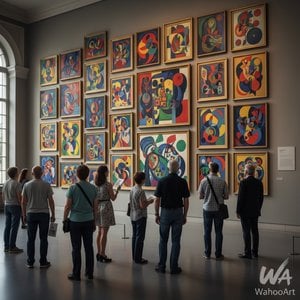
Explore 25 iconic Kandinsky masterpieces and the birth of abstraction. Discover the full collection online at WahooArt.com.

探索弗朗西斯·培根25幅震撼人心的杰作,深入了解这位现代艺术大师的创作故事与情感世界。从《三幅习作》到肖像画,感受抽象表现主义的魅力。WahooArt.com提供高品质艺术品复制,为您的家居空间增添艺术气息!立即探索完整系列。

探索几何抽象艺术的十大杰作!康定斯基、蒙德里安等大师作品,色彩构成与非具象之美。WahooArt.com提供博物馆级艺术复制品,为您的家居带来现代艺术灵感。立即在线探索完整系列!

探索马克·罗斯科25幅杰作,感受抽象表现主义的色彩力量与深刻情感。从经典色域绘画到无题系列,了解艺术史上的大师及其作品背后的故事。WahooArt.com提供博物馆级高质量复制品,为您的家居装饰带来艺术灵感!立即探索完整收藏。

 实景预览
实景预览
 分享
分享 分享
分享
 详情
详情 指南
指南

 下载作品
下载作品
 相似作品
相似作品 X射线
X射线 幻灯片播放
幻灯片播放 问答
问答
 统计数据
统计数据

 展开全文
展开全文









 玻璃选项仅适用于110厘米以下的尺寸。


