
博物馆级艺术微喷或帆布版画,制作高效,并提供多种饰面选择。 ( 订购纯手工绘制画作 切换至数字图像销售渠道)





























您可以从与原作比例一致的预设尺寸中进行选择。

请输入您所需的宽度和高度,以适配您的画框或墙面。由于印刷品只能进行裁剪,无法超出原图尺寸,因此若比例不一致,画面的一部分将会被裁切。在正式印刷之前,我们会为您发送一份数字效果图供您确认。本页面显示的图片并非最终裁剪后的效果——只有效果图才能展示真实的裁剪情况。
head vi, 1949
复刻品尺寸
To stand before Francis Bacon’s Head VI is to witness an unflinching confrontation with the very depths of human experience. Painted in 1949, this unsettling masterpiece serves as a profound window into the psychological disintegration and existential dread that gripped Europe in the wake of World War II. The painting does not merely depict a man; it captures a moment of pure, unadulterated anguish. Through a distorted visage and a mouth frozen in a silent, harrowing scream, Bacon presents a subject caught in the throes of terror. The figure appears hunched and collapsing, a vulnerable soul navigating an airless void, making the artwork an enduring symbol of mortality and the fragility of our existence.
The technical execution of the piece is as visceral as its subject matter. Eschewing traditional meticulous detail, Bacon employed a method he termed the “squeeze technique,” applying paint thickly with his hands or a palette knife to create textured surfaces that seem to pulsate with an unsettling, living energy. This physicality allows the canvas to embody the very torment it portrays. The composition is dominated by a sickly, jaundiced yellow hue, a color choice that acts as a visual metaphor for decay and mental deterioration. Within this chromatic landscape, the figure is often placed within a glass cage-like structure behind curtain-like drapery, creating a suffocating atmosphere where the subject appears trapped by his very surroundings.
The power of Head VI lies in its ability to translate historical trauma into universal symbols. Emerging from a period scarred by the devastation of war and the chilling reality of London's bombing raids, Bacon’s work reflects a broader preoccupation with the loss of certainty. The open mouth, perhaps the painting’s most potent symbol, transcends simple vocalization; it represents repressed emotion and the primal terror of the human condition. This motif finds its roots in the cinematic drama of silent films, where exaggerated expressions were used to convey deep-seated psychological states, yet Bacon strips away the artifice to reveal a raw, terrifying truth.
Furthermore, the artwork draws subtle inspiration from the Old Masters, specifically referencing the work of Diego Velázquez. By reinterpreting elements of classical portraiture through a lens of modern horror, Bacon creates a tension between tradition and iconoclasm. For collectors and lovers of fine art, this piece offers more than mere decoration; it provides a profound emotional resonance. It is an invitation to grapple with the darker recesses of consciousness and to find beauty in the courageous exploration of truth. Whether viewed as a cornerstone of post-war expressionism or a haunting psychological study, Head VI remains a seminal achievement that continues to provoke, disturb, and ultimately illuminate the complexities of being human.
弗朗西斯·培根 的《head vi, 1949》 在艺术史上的分类属于 Expressionism 运动,创作于 Modern 时期。
关于《head vi, 1949》的创作者 弗朗西斯·培根,其记录在案的其他名称包括 Francis Bacon, 安东尼·爱德华·莫蒂默·培根 (Anthony Edward Mortimer Bacon), 杰西·莱特胡特 (Jessie Lightfoot)。
您可以通过 采用棉质帆布或档案级画布纸制作的艺术版画 购买 “head vi, 1949” 的版画。您可以前往其 艺术版画 页面,根据您的需求选择尺寸并下单。

1909 - 1992 , 爱尔兰

Immerse yourself in the visceral world of Francis Bacon. Explore 25 iconic masterpieces, from distorted figures to haunting portraits. Discover the stories behind these expressionist legends and find museum-quality art reproductions for your collection at WahooArt.com.
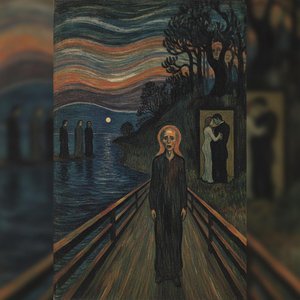
Journey through the raw emotion of Expressionism with our curated guide to Edvard Munch's top 25 masterpieces. Explore the stories behind his most iconic works and find museum-quality art reproductions for your collection. Discover all masterpieces on WahooArt.com.

 实景预览
实景预览
 分享
分享 分享
分享
 详情
详情 指南
指南

 下载作品
下载作品
 相似作品
相似作品 X射线
X射线 幻灯片播放
幻灯片播放 Q&A
Q&A 统计数据
统计数据

 展开全文
展开全文









 玻璃选项仅适用于110厘米以下的尺寸。


