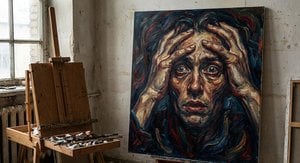
由我们的艺术家按需定制,为您提供您所选尺寸及画框的布面手工油画。 ( 切换至版画销售渠道 切换至数字图像销售渠道)





























从与原作比例一致的预设尺寸中进行选择。

您可以输入自定义尺寸,以适配特定的画框或空间。如果所选尺寸与原图比例不符,我们将通过裁剪作品或添加手绘元素来扩展画面。数字样稿将在制作开始前发送给您确认。
请注意,屏幕预览无法准确反映实际的裁剪或扩展效果,只有样稿才能真实呈现最终的构图。
虽然我们提供定制尺寸服务,但为了保留原作比例,建议您从预设列表中选择尺寸。

figures in movement, 1976
复制品尺寸
Francis Bacon’s “Figures in Movement,” painted in 1976, isn't merely a depiction of human form; it’s an excavation of the psyche – a raw and unsettling portrait of existential anxiety rendered with his signature brutal honesty. The painting immediately confronts the viewer with a central figure, contorted into a series of impossible poses within a claustrophobic cage. This structure, reminiscent of both confinement and performance, speaks to themes of entrapment, vulnerability, and the struggle for agency in a world increasingly devoid of meaning. Bacon’s deliberate distortion of anatomy – elongated limbs, exaggerated features, and a sense of perpetual motion – rejects traditional notions of beauty and realism, instead prioritizing emotional truth over aesthetic representation.
The background figures, partially obscured yet undeniably present, add layers of complexity to the scene. They aren't passive observers but seem to participate in, or perhaps even exacerbate, the central figure’s turmoil. Their positioning suggests a cycle of witnessing and being witnessed, amplifying the sense of isolation and unease. Bacon frequently employed this dynamic interplay between subject and observer within his work, creating a dialogue that forces the viewer to confront their own anxieties about existence and connection.
Bacon’s technique is notoriously challenging, demanding both immense skill and an unwavering commitment to expressing inner turmoil. “Figures in Movement” exemplifies this perfectly. The paint application is thick and gestural, built up in layers that create a palpable sense of texture and movement. Notice the aggressive brushstrokes, particularly around the figure's torso – they convey not just physical strain but also a desperate attempt to maintain control amidst chaos. The color palette is deliberately muted, dominated by dark browns, ochres, and bruised reds, contributing to the painting’s overall atmosphere of dread and decay. This restricted range of colors further emphasizes the claustrophobic nature of the scene and heightens the emotional impact.
Bacon's use of color isn't arbitrary; it’s deeply symbolic. The dark backdrop serves as a void, representing the unknown or perhaps the subconscious – a space where anxieties fester and nightmares take form. The flashes of red suggest violence, pain, and suppressed passions, while the muted earth tones evoke a sense of mortality and decay.
To understand “Figures in Movement,” it’s crucial to consider the historical context in which Bacon was working. The 1970s were a period of profound social and political upheaval, marked by economic instability, the lingering trauma of World War II, and a growing sense of disillusionment with traditional values. Bacon's art directly reflects this atmosphere of anxiety and uncertainty. His figures are often depicted as damaged, vulnerable, and stripped bare – embodiments of the human condition in the face of existential dread.
Bacon’s early life, marked by instability and a strained relationship with his father, undoubtedly informed his artistic vision. The recurring themes of isolation, violence, and psychological distress within his work can be interpreted as attempts to grapple with these personal experiences. His art became a vehicle for exploring the darkest corners of the human psyche – a space where trauma, fear, and loneliness find expression.
A reproduction of “Figures in Movement” offers a powerful way to engage with Bacon’s intensely emotional world. WahooArt provides meticulously crafted hand-painted reproductions that capture not only the visual details of the original but also its underlying atmosphere and psychological depth. This artwork is more than just decoration; it's an invitation to contemplate profound questions about human existence, vulnerability, and the enduring power of art to confront our deepest fears. Consider this piece as a window into the mind of one of the 20th century’s most significant and unsettlingly brilliant artists – Francis Bacon.


1909 - 1992 , 爱尔兰

探索弗朗西斯·培根25幅震撼人心的杰作,深入了解这位现代艺术大师的创作故事与情感世界。从《三幅习作》到肖像画,感受抽象表现主义的魅力。WahooArt.com提供高品质艺术品复制,为您的家居空间增添艺术气息!立即探索完整系列。
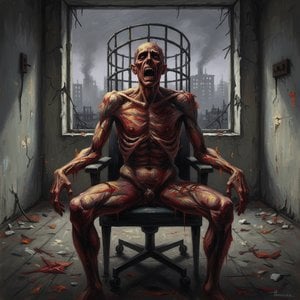
Explore the profound existential anguish of Francis Bacon's art. Discover how trauma shaped his iconic paintings & lasting influence on modern expressionism. A guide for discerning collectors.

Explore the profound history of Surrealist Expressionism. Discover how artists blended dream logic with raw emotion to navigate post-war trauma through masterful, evocative imagery and psychological depth.

Discover the raw emotion of Symbolic Expressionism. Our expert guide explores how masters like Munch use color and form to convey inner feelings, offering inspiration for collectors looking to bring powerful, soulful art into their modern homes.


 效果预览
效果预览
 分享
分享 分享
分享
 详情
详情 Guide
Guide

 下载
下载
 相似作品
相似作品 X射线
X射线 幻灯片播放
幻灯片播放 统计数据
统计数据
 展开详情
展开详情









 玻璃选项仅适用于110厘米以下的尺寸。