
博物馆级艺术微喷或帆布版画,制作高效,并提供多种饰面选择。 ( 购买手绘画作 切换至数字图像销售渠道)





























从与原作比例一致的预设尺寸中进行选择。

您可以输入自定义尺寸,以适配特定的画框或空间。如果您选择的尺寸与原图比例不符,我们将对作品进行裁剪,或通过镜像填充/纯色填充边缘的方式来扩展图像。在开始制作之前,我们会向您发送一份数字效果图供您确认。
请注意,屏幕上的预览并不能反映实际的裁剪或扩展效果。只有效果图才能准确展示最终的构图。
虽然我们提供定制尺寸,但为了保持原图比例,我们建议您从预设列表中选择尺寸。

figures in a garden, 1936
复制品尺寸
Francis Bacon's “Figures in a Garden,” painted in 1936, isn’t merely a depiction of a landscape; it’s a visceral plunge into the anxieties and uncertainties simmering beneath the surface of modern society. Born in Dublin and deeply influenced by the turbulent events unfolding across Europe during this period – the rise of fascism, the looming threat of war, and the lingering trauma of World War I – Bacon sought to capture not just what he saw, but how it *felt*. This painting is a prime example of his signature style: a deliberately unsettling blend of Expressionism, Surrealism, and a raw, almost brutal honesty that challenged conventional notions of beauty and representation. The work immediately confronts the viewer with a scene of profound unease – three distorted figures trapped within a claustrophobic space, seemingly imprisoned by an unseen force.
The composition itself is deliberately unbalanced, creating an immediate sense of disorientation. The central figure, rendered with elongated limbs and a vaguely animalistic quality, appears to be struggling within a cage-like structure – not a literal one, but rather a suggestion of confinement, both physical and psychological. To the left lies a reddish-brown form, reminiscent of a dog or perhaps even a distorted human torso, suggesting vulnerability and decay. The background is deliberately blurred, comprised of indistinct trees and foliage that contribute to the overall sense of isolation and unease. Bacon wasn’t interested in creating a realistic representation; instead, he employed distortion as a means of conveying intense emotional states – fear, anxiety, and perhaps even despair. The muted earth tones—greens, browns, and grays—dominate the canvas, punctuated by jarring bursts of red that heighten the sense of tension and impending doom.
Bacon’s technique is characterized by loose, gestural brushstrokes – a deliberate rejection of academic precision. The paint is applied in thick layers, creating a palpable texture that adds depth and physicality to the image. He utilized oil paints on canvas, allowing for rich color saturation and the ability to build up complex forms through layering. Notice how the lines outlining the cage-like structure are more defined than the figures themselves, emphasizing the feeling of entrapment. The artist’s disregard for traditional perspective – flattening the space and creating a sense of immediacy—further contributes to the painting's unsettling effect. It’s as if we’re peering directly into the raw emotions of the subjects, unmediated by any illusion of distance or reality.
“Figures in a Garden” was created during a period of immense social and political upheaval. The rise of totalitarian regimes across Europe cast a long shadow over the art world, prompting artists to grapple with themes of power, control, and human vulnerability. Bacon’s work can be seen as a response to this climate of fear and uncertainty. The painting's symbolism is layered and open to interpretation. The cage represents not just physical confinement but also the psychological constraints imposed by society, tradition, and perhaps even one’s own internal demons. The distorted figures reflect the fragmentation of the human psyche – the sense that we are all trapped within our own minds, struggling to maintain a semblance of sanity in a chaotic world. Considering Bacon's personal life—his unstable childhood and complex relationship with his father—adds another layer of understanding to this powerfully evocative work.


1909 - 1992 , 爱尔兰

Explore the rich history of gardens in painting! Discover masterpieces from Renaissance to Impressionism & beyond. Learn about symbolism, artists like Monet & Klimt, and find your perfect artwork at WahooArt.

Explore the rich symbolism of the red dress in art history! From ancient power displays to iconic portraits like Cézanne’s 'Madame Cezanne', discover the cultural and artistic significance behind this captivating color. Expert analysis & insights.
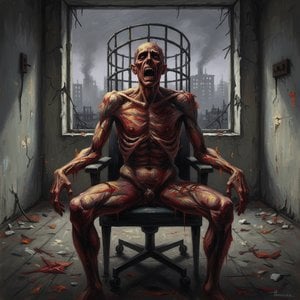
Explore the profound existential anguish of Francis Bacon's art. Discover how trauma shaped his iconic paintings & lasting influence on modern expressionism. A guide for discerning collectors.

探索马克·罗斯科25幅杰作,感受抽象表现主义的色彩力量与深刻情感。从经典色域绘画到无题系列,了解艺术史上的大师及其作品背后的故事。WahooArt.com提供博物馆级高质量复制品,为您的家居装饰带来艺术灵感!立即探索完整收藏。

探索弗朗西斯·培根25幅震撼人心的杰作,深入了解这位现代艺术大师的创作故事与情感世界。从《三幅习作》到肖像画,感受抽象表现主义的魅力。WahooArt.com提供高品质艺术品复制,为您的家居空间增添艺术气息!立即探索完整系列。


 效果预览
效果预览
 分享
分享 分享
分享
 详情
详情 指南
指南

 下载
下载
 相似作品
相似作品 X射线
X射线 幻灯片播放
幻灯片播放 统计数据
统计数据

 展开详情
展开详情









 玻璃选项仅适用于110厘米以下的尺寸。


