































从与原作比例一致的预设尺寸中进行选择。

您可以输入自定义尺寸,以适配特定的画框或空间。如果您选择的尺寸与原图比例不符,我们将对作品进行裁剪,或通过镜像填充/纯色填充边缘的方式来扩展图像。在开始制作之前,我们会向您发送一份数字效果图供您确认。
请注意,屏幕上的预览并不能反映实际的裁剪或扩展效果。只有效果图才能准确展示最终的构图。
虽然我们提供定制尺寸,但为了保持原图比例,我们建议您从预设列表中选择尺寸。

diptych, 1982
复制品尺寸
Francis Bacon’s “Diptych,” created in 1984, stands as a haunting testament to the artist's preoccupation with human vulnerability and psychological torment. This striking piece exemplifies Bacon’s signature expressionist style—a deliberate rejection of academic conventions in favor of visceral emotion and distorted form—drawing heavily from Ingres’ preparatory sketch “Study from the Human Body.” The artwork isn’t merely visually arresting; it’s a deeply layered exploration of existential anxieties, mirroring the pervasive atmosphere of uncertainty following World War II.
Symbolism permeates every aspect of this artwork. The table itself represents stability, yet it is undermined by the man's precarious position, symbolizing the fragility of human existence against forces beyond our control. Furthermore, the inclusion of a chair – positioned slightly behind the slumped figure – suggests confinement and entrapment, reinforcing the overarching sense of psychological claustrophobia.
Beyond its formal elements, “Diptych” possesses an undeniable emotional impact. Bacon’s masterful manipulation of color and texture compels viewers to confront uncomfortable truths about human suffering and mortality. It's a piece that lingers in the mind long after viewing, prompting contemplation on themes of trauma, vulnerability, and the inescapable burden of consciousness—a cornerstone of Bacon’s enduring legacy as one of the most influential artists of the 20th century.


1909 - 1992 , 爱尔兰

探索弗朗西斯·培根25幅震撼人心的杰作,深入了解这位现代艺术大师的创作故事与情感世界。从《三幅习作》到肖像画,感受抽象表现主义的魅力。WahooArt.com提供高品质艺术品复制,为您的家居空间增添艺术气息!立即探索完整系列。
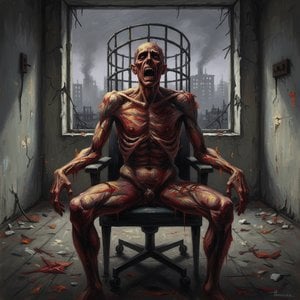
Explore the profound existential anguish of Francis Bacon's art. Discover how trauma shaped his iconic paintings & lasting influence on modern expressionism. A guide for discerning collectors.

Experience art's raw power! Explore 10 iconic paintings – Van Gogh, Kahlo & more – that define 'bold'. Discover the stories behind these expressive masterpieces and find museum-quality reproductions for your home at WahooArt.com.

探索埃贡·席勒25幅震撼人心的杰作!深入了解这位表现主义大师的绘画技巧、情感表达与生命哲思。WahooArt.com提供高品质艺术复制品,为您的室内设计带来经典之美。立即在线探索完整系列!
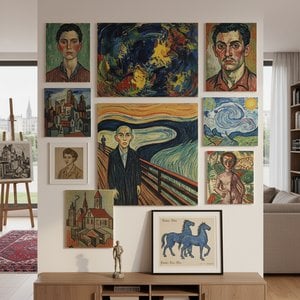
探索表现主义的灵魂!本文精选十幅名作,从莫迪里亚尼到夏加尔,揭秘大师背后的故事与艺术魅力。感受色彩的力量,重塑您的家居空间。WahooArt.com 提供博物馆品质的艺术复制品和个性化装饰方案。立即在线探索全系列!


 效果预览
效果预览
 购买手绘画作
 分享
分享 分享
分享
 详情
详情

 下载
下载
 相似作品
相似作品 X射线
X射线 幻灯片播放
幻灯片播放
 展开详情
展开详情









 玻璃选项仅适用于110厘米以下的尺寸。


