
 Tempera On PanelRenaissance
 1473Renaissance
 112.0 x 55.0 cm
 畢拉羅藝術畫廊
博物馆级艺术微喷或帆布版画,制作高效,并提供多种饰面选择。 ( 订购此收藏品的纯手工复刻画作 切换至数字图像销售渠道)





























您可以从与原作比例一致的预设尺寸中进行选择。

请输入您所需的宽度和高度,以适配您的画框或墙面。由于印刷品只能进行裁剪,无法超出原图尺寸,因此若比例不一致,画面的一部分将会被裁切。在正式印刷之前,我们会为您发送一份数字效果图供您确认。本页面显示的图片并非最终裁剪后的效果——只有效果图才能展示真实的裁剪情况。
St Peter
复刻品尺寸说明
弗朗切斯科·德尔科萨 于 1473 年创作了《St Peter》。
"St Peter" 属于 Renaissance 流派,其创作者活跃于 文艺复兴 时期。
您可以通过亚麻画布手工绘制油画复制品来订购《St Peter》的手绘复制品。您可以前往其手工油画复刻页面进行下单,并根据需求选择不同的尺寸。

弗朗切斯科·德尔·科萨(约1436年-1477年)是一位与费拉拉学派紧密相关的意大利文艺复兴画家。他出生于意大利费拉拉,至今仍是一个引人入胜的人物,其生平与职业生涯在历史细节中多少有些神秘,然而他的艺术贡献,尤其是那些壁画,却如同不朽的证明,彰显着他在蓬勃发展的文艺复兴风格中所展现出的高超技艺和创新精神。
德尔·科萨是石匠克里斯托法诺·德尔·科萨的儿子,其父本身也是一位艺术家。关于弗朗切斯科早期的艺术训练,确切了解甚少,但人们相信他大约在1456年左右曾协助父亲在费拉拉主教宫的小礼拜堂绘制装饰画。这种早期接触艺术实践的经历,无疑塑造了他最初的发展轨迹。据推测,在他二十多岁或三十出头的年纪,他曾离开过费拉拉旅行,这段经历使他积累了经验,并可能邂逅了新的艺术影响。
德尔·科萨最受赞誉的,是他那些壁画系列,其中最著名的便是装饰着费拉拉城门外一座夏宫——施法诺瓦宫(Palazzo Schifanoia)的壁画。他曾与科西莫·图拉合作,为描绘十二星座和一年四季的宏大寓言装饰贡献了自己的心血。归功于德尔·科萨的具体壁画包括“五月寓言——阿波罗胜利”,该作品以其令人惊艳的构图而著称,其中描绘了大量赤裸的年幼孩童;还有“四月寓言”,它展示了早期对三美神(Three Graces)的描绘,甚至早于波提切利的著名版本。这些壁画充分展现了他对透视法、细节处理和叙事艺术的精湛掌握。
除了施法诺瓦宫的作品外,德尔·科萨还创作了其他重要的艺术品:
德尔·科萨的风格,完美地融合了费拉拉文艺复兴特有的多种影响。尽管其根源深植于更早期的哥特式传统,但他的作品却展现出对古典形式和人文主义理想日益增长的关注。他对织物和纹理的细致描绘,透露出一种敏锐的观察力。早期尼德兰绘画的影响也可以在他的精细细节处理中被察觉到。他在本蒂沃里奥家族赞助下于博洛尼亚短暂而有影响力的时期,进一步锤炼了他的风格,促成了他一些最著名的肖像作品。
弗朗切斯科·德尔·科萨的艺术遗产,建立在他对费拉拉文艺复兴艺术的贡献以及其独特的艺术视野之上。尽管他的职业生涯相对短暂,但他留下的作品集却展示了那个时代蓬勃的活力与创新精神。他在施法诺瓦宫的壁画,是十五世纪宫廷生活和艺术赞助制度无价的历史文献。他对三美神等古典主题的描绘,体现了他对人文主义理想的早期参与。德尔·科萨近期在阿里·史密斯的小说《如何成为两者》中的提及,以及他与谷歌地球寻宝游戏的关联,更进一步地提升了这位常被忽视的文艺复兴巨匠的关注度。

1436 - 1477 , 意大利

Discover the enduring allure of oil on panel painting. Explore the technical mastery, historical significance, and luminous depth that define this prestigious medium, from Renaissance masters to modern fine art reproductions for discerning collectors.
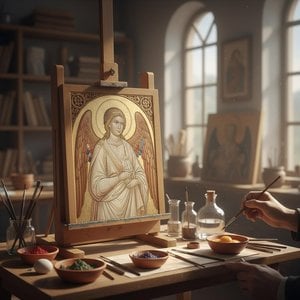
Unveil the sacred secrets of egg tempera on panel. Journey through the technical mastery and profound artistry of the Old Masters, from Giotto to Botticelli. An essential educational guide for Renaissance art enthusiasts seeking deep historical insight and expertise.

Embark on a sophisticated journey through art history with our exploration of Saint Peter's most powerful masterpieces. Discover the profound emotional depth and technical brilliance of Renaissance and Baroque icons, curated for the discerning classic art enthusiast.

Discover the elegance of custom multi-panel group set art at WahooArt.com. From bespoke layouts to hand-painted oil masterpieces, our expert guide helps elite collectors curate breathtaking, large-scale installations tailored for sophisticated interiors.


 实景预览
实景预览
 发送
发送 分享
分享
 详情
详情 指南
指南

 下载图片
下载图片
 相似作品
相似作品 X射线
X射线 幻灯片播放
幻灯片播放 统计数据
统计数据 阅读全文
阅读全文









 玻璃选项仅适用于110厘米以下的尺寸。


![Legend Of St Francis - [23] - St Francis Mourned By St Clare — 乔托, Gothic](/media/artworks/images-thumb/17/1c/171c284c41dc3ef8bca83e51c1e1e531.jpg)


