
由我们的艺术家按需定制,为您提供您所选尺寸及画框的布面手工油画。 ( 切换至版画销售渠道 切换至数字图像销售渠道)





























您可以从与原作比例一致的预设尺寸中进行选择。

请输入您需要的宽度和高度,以适配您的画框或墙面。由于作品为手工绘制,若您选择不同的尺寸比例,艺术家可能会在画面边缘多画一些或稍作裁剪 —— 由您决定。在开始绘画之前,我们会为您发送一份数字效果图供您确认。本页面上展示的图片并非最终实物 —— 只有效果图才能反映真实结果。
The Nativity
复刻品尺寸说明
Fra Bartolomeo’s “The Nativity,” painted around 1507, is more than simply a depiction of the biblical birth of Christ; it's a profound meditation on faith, humility, and the divine grace that permeates human experience. Created during a pivotal period in Florentine art – bridging the late Gothic and burgeoning Renaissance – this masterpiece embodies the artist’s unique synthesis of spiritual contemplation and masterful technique. The painting immediately draws the viewer into a scene brimming with serene beauty and quiet reverence, inviting reflection on the profound event at its heart.
The composition is carefully orchestrated to emphasize Mary's central role as the embodiment of maternal love and devotion. Kneeling before her, Joseph stands as a steadfast protector, while the infant Jesus, swaddled in white, occupies the immediate center – a beacon of hope and divine promise. Angels, rendered with an ethereal quality, surround the family, their gestures conveying both adoration and guardianship. Notice how Bartolomeo subtly integrates them into the architectural setting, creating a sense of layered depth and spiritual elevation. The use of perspective, though not entirely formalized as in later Renaissance works, establishes a clear spatial hierarchy, guiding the eye towards the focal point: Mary and the Christ Child.
Bartolomeo's style is immediately recognizable for its rich color palette and meticulous attention to detail. He employed tempera on panel, a technique favored by Florentine artists of his time, which allowed for luminous colors and subtle gradations of tone. The use of gold leaf – particularly in the halos surrounding the figures – adds an element of sacred splendor, elevating the scene beyond the earthly realm. The artist’s brushwork is remarkably smooth and controlled, creating a sense of tranquility and harmony. Observe how he masterfully renders the textures of fabric, wood, and skin, imbuing each element with a tangible quality.
Bartolomeo's training under Cosimo Rosselli profoundly influenced his approach to color and composition. Rosselli’s emphasis on atmospheric perspective – creating depth through subtle shifts in hue and value – is evident here, though Bartolomeo refines this technique with a more delicate touch. The background landscape, rendered in muted earth tones, provides a grounding element, anchoring the scene within a believable earthly setting while simultaneously suggesting an eternal backdrop.
“The Nativity” is replete with symbolic meaning. The donkey’s presence, often overlooked, represents humility and service – qualities essential to the narrative of Christ's birth. Mary’s posture, kneeling in prayer, symbolizes her submission to God’s will and her role as the Mother of God. The angels, traditionally associated with divine messengers, represent the intervention of grace into human affairs. Even the arrangement of the figures—the carefully considered placement of each hand, each gaze—contributes to the overall sense of spiritual significance.
Furthermore, Bartolomeo’s decision to depict the scene within a simple, almost austere setting underscores the painting's focus on faith and devotion rather than elaborate ornamentation. The lack of extraneous details directs the viewer’s attention solely to the central theme: the miraculous birth of Jesus Christ. The painting speaks not just of a historical event but of a timeless truth—the enduring power of love, humility, and divine grace.
“The Nativity” is considered one of Fra Bartolomeo’s most important works, exemplifying his unique artistic vision. It resides today in the collection of The Art Institute of Chicago, a testament to its enduring beauty and significance. Reproductions of this iconic painting continue to inspire awe and reverence, offering viewers a glimpse into the heart of Christian faith and the profound artistry of one of Renaissance Italy’s most gifted painters. Its quiet dignity and luminous colors make it an ideal choice for adorning homes and spaces dedicated to contemplation and spiritual reflection.
《The Nativity》采用Oil On Canvas创作。
"The Nativity" 的背后是 弗拉·巴托洛梅奥 及其所属的 High Renaissance 流派。
Rosy Brown (#b2b1a6) 是 弗拉·巴托洛梅奥 的《The Nativity》 的主导色。


1472 - 1517 , 意大利

Explore the profound beauty of religious processions in art history. From Baroque drama to spiritual transcendence, discover how masters captured faith. WahooArt.com offers exquisite, hand-painted oil reproductions for discerning collectors seeking timeless grandeur.

Embark on a profound journey through the ethereal masterpieces of Fra Angelico. Discover the spiritual depth, divine light, and technical brilliance of the 'Angelic Painter' in this expert exploration of Early Renaissance devotion and sacred art history.

Embark on a profound journey through art history with our exploration of the most iconic depictions of the Virgin Mary. Discover the divine grace, symbolism, and masterful techniques found in Renaissance masterpieces and sacred iconography.

Explore the profound beauty of Marian iconography through an art historian's lens. Discover iconic masterpieces by Raphael and Renaissance masters, celebrating the divine grace and timeless elegance of the Virgin Mary in classical fine art.
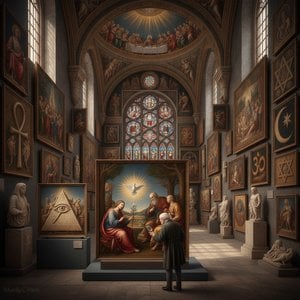
Explore the profound power of religious symbolism in art history. From Renaissance masterpieces to sacred iconography, uncover the hidden meanings behind divine details in a deep dive into classical art excellence.


 实景预览
实景预览
 发送
发送 分享
分享
 详情
详情 指南
指南

 下载图片
下载图片
 相似作品
相似作品 X射线
X射线 幻灯片播放
幻灯片播放 统计数据
统计数据


 阅读全文
阅读全文









 玻璃选项仅适用于110厘米以下的尺寸。


