效果预览 AR 预览 购买手绘画作 切换至数字图像销售渠道 分享
详情 指南 加入收藏 下载 相似作品 X射线 幻灯片播放 统计数据

La Virgen

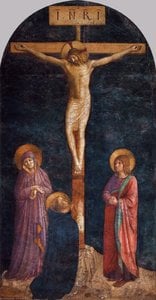
Fra Angelico’s serene depiction of Mary cradling Jesus embodies the sublime beauty of early Renaissance art—a castle-like backdrop frames this devotional masterpiece, inviting viewers to immerse themselves in its ethereal glow and explore a timeless vision.

弗朗西斯柯·安吉利柯(約1395年出生)是意大利早期文藝復興時期最傑出的藝術家之一,以其充滿靈性與美感的佛拉爾斯畫作而聞名於世。 他最著名的作品包括聖馬可教堂壁畫、佩爾烏嘉聖母顯靈畫和聖奧斯醫生施捨畫等,這些作品以其簡潔的線條和鮮豔的色彩,以及對宗教主題的深刻表達,成為了文藝復興藝術的經典代表。 他是一位將信仰轉化為視覺藝術的靈性先驅,他的藝術風格與人文主義理想相符,強調人類尊嚴和精神修養的可能性。

艺术微喷/版画

博物馆级艺术微喷或帆布版画,制作高效,并提供多种饰面选择。 ( 购买手绘画作 切换至数字图像销售渠道)

P118B $10
P118H $10
P118W $10
P438Z $10
P508JH $12
P508YH $12
P805H $10
P805Z $10
P919BZ $10
P919G $10
P919XJ $10
P959ZH $10
P968JZ $12
W106C $8
W218G $10
W218JH $8
W218Y $10
W307PJ $10
W316G $10
W316PJ $8
W316Y $10
W398PJ $8
W4111J $10
W500HY $15
W500JH $15
W692G $12
W849H $8
W940BG $15
W953PJ $8

标准尺寸
定制
CM
INCH

从与原作比例一致的预设尺寸中进行选择。

宽度
高度

您可以输入自定义尺寸,以适配特定的画框或空间。如果您选择的尺寸与原图比例不符,我们将对作品进行裁剪,或通过镜像填充/纯色填充边缘的方式来扩展图像。在开始制作之前,我们会向您发送一份数字效果图供您确认。
请注意,屏幕上的预览并不能反映实际的裁剪或扩展效果。只有效果图才能准确展示最终的构图。
虽然我们提供定制尺寸,但为了保持原图比例,我们建议您从预设列表中选择尺寸。

全球配送(),仅需 2 周即可送达,无需等待标准流程的 4/5 周。(25 September)

why_choose_icon
全球免费特快专递服务
why_choose_icon
优质亚麻画布
why_choose_icon
全程运输保险
why_choose_icon
关税退款保证
why_choose_icon
色彩还原度保证
why_choose_icon
100天退货政策(仅限瑕疵品)
why_choose_icon
100%退款保证
why_choose_icon
多件购买优惠

总计金额

$ 68

reproduction

La Virgen

艺术微喷/版画

复制品尺寸

-

最终总价

$ 68

作品概览

  • Influences: Medieval Art
  • Movement: Early Renaissance
  • Artistic style: Renaissance
  • Notable elements or techniques: Gold frame
  • Subject or theme: Virgin Mary and Child Jesus
  • Medium: Fresco

A Vision of Heavenly Grace: Exploring Fra Angelico’s “La Virgen”

  • Subject Matter and Narrative:
  • Renaissance Style and Artistic Innovation
  • Technique – Tempera on Panel: A Delicate Dance of Color
  • Historical Context – Florentine Spirituality and Patronage
  • Symbolism – Divine Femininity and Spiritual Perfection

Subject Matter and Narrative:

“La Virgen,” attributed to Fra Angelico, transcends mere representation; it embodies a profound meditation on motherhood and divine grace. The painting depicts Mary cradling Jesus Christ, a motif central to Christian iconography throughout the centuries. More than just portraying a biblical scene, Angelico’s artwork seeks to convey an idealized vision of purity, compassion, and unwavering faith—qualities deeply valued during the Renaissance period. The composition is carefully orchestrated, positioning Mary as the focal point amidst a serene castle-like structure, symbolizing divine majesty and protection. Surrounding figures underscore the importance of communal devotion and reinforce the narrative’s spiritual core.

Renaissance Style and Artistic Innovation:

Fra Angelico's contribution to Renaissance art is undeniable, marking him as one of its foremost luminaries. His style aligns seamlessly with the humanist ideals flourishing in Florence at the time—a movement prioritizing human intellect and artistic expression alongside religious contemplation. Unlike earlier Gothic styles characterized by darkness and solemnity, Angelico’s palette employs luminous colors achieved through tempera paint on panel, creating an atmosphere of ethereal beauty. This stylistic choice reflects a deliberate effort to elevate the viewer's spirit and evoke feelings of reverence—a hallmark of Renaissance spirituality. He skillfully blended Byzantine influences with emerging Italian artistic sensibilities, establishing a distinctive aesthetic that would inspire generations of artists.

Technique – Tempera on Panel: A Delicate Dance of Color:

The technique employed by Angelico—tempera paint on panel—was remarkably precise and demanding. Tempera involves mixing pigment with egg yolk and resin, resulting in a durable, luminous coating that resists cracking and fading over time. This meticulous process allowed for subtle gradations of color and unparalleled tonal accuracy—essential elements in capturing the delicate beauty of Mary’s face and robes. The artist's painstaking attention to detail is evident in every brushstroke, demonstrating mastery of artistic craftmanship. Furthermore, Angelico utilized glazing techniques, layering translucent washes of pigment over underlying colors to achieve depth and luminosity, enhancing the overall visual impact of the artwork.

Historical Context – Florentine Spirituality and Patronage:

“La Virgen” emerged from the vibrant intellectual and spiritual landscape of Florence during the Quattrocento—the “rebirth” of classical learning and artistic creativity. The painting was commissioned by Lorenzo Medici, ruler of Florence, reflecting the city’s commitment to fostering religious art as a means of upholding moral virtue and glorifying God. Patronage played a crucial role in shaping artistic production during this era, providing artists like Angelico with resources and encouragement to pursue ambitious projects—such as monumental frescoes adorning churches throughout Tuscany. The artwork stands as testament to the humanist conviction that beauty could inspire piety and elevate human consciousness.

Symbolism – Divine Femininity and Spiritual Perfection:

Beyond its aesthetic qualities, “La Virgen” is laden with symbolic significance. Mary represents divine femininity—a concept central to Christian theology—symbolizing compassion, humility, and selfless devotion. Her crown signifies her regal dignity as Queen of Heaven, reflecting the belief in Mary’s exalted spiritual status. The castle-like structure serves as a visual metaphor for God's protection and majesty, emphasizing the sanctity of the depicted scene. Ultimately, Angelico’s masterpiece aspires to convey an idealized vision of spiritual perfection—a timeless reminder of faith’s transformative power and its capacity to illuminate the human soul.

艺术家简介

天使般的画师:弗朗切斯科·德·安杰利科 (Fra Angelico) 的生平与艺术

弗朗切斯科·德·安杰利科,原名圭多·迪·皮埃特罗,是文艺复兴初期佛罗伦萨最伟大的画家之一。他的名字,意为“天使般的兄弟”,恰如其分地体现了他作品中那种超越尘世的宁静与神圣之美。1395年出生于托斯卡纳丘陵中的鲁佩萨纳,关于他早年的生活知之甚少,但可以肯定的是,他接受了良好的教育,为日后的艺术生涯奠定了基础。年轻的圭多加入了佛罗伦萨附近的菲索莱的圣多梅尼克会修道院,并以弗朗切斯科·德·安杰利科的名字开始了他在宗教与艺术的双重道路。在修道院中,他最初的任务是抄写手稿,这培养了他对细节的敏锐观察力和对色彩的精湛掌握,为他日后的绘画创作打下了坚实的基础。

早期风格的形成:从洛伦佐·蒙纳科到马萨乔的影响

安杰利科的艺术发展并非孤立进行,而是深深地扎根于当时佛罗伦萨蓬勃发展的艺术氛围之中。他深受同时代画家洛伦佐·蒙纳科的影响,蒙纳科是那个时代领先的画家和手稿插图师。安杰利科继承了蒙纳科优雅的线条和装饰性图案,但并未止步于模仿。他开始尝试将这些风格与新兴的自然主义相结合,这很可能受到了马萨乔开创性的壁画的影响。虽然马萨奇奥以其戏剧性的透视运用和对人体形态的逼真描绘而闻名,安杰利科选择了另一条道路。他保留了对透视的运用,但并非为了追求现实主义,而是为了创造一种更具沉浸感的精神体验。他的作品中人物虽然优雅且常常理想化,却蕴含着一种内敛的尊严和情感共鸣,超越了单纯的表象。安杰利科将绘画视为祈祷的一种形式——一种领悟神圣并将之呈现给世人的方式,这种深刻的信仰赋予了他笔下的每一笔都充满了敬畏与真诚。

信仰与色彩的杰作:圣马可修道院壁画

弗朗切斯科·德·安杰利科最伟大的艺术遗产无疑是佛罗伦萨圣马可修道院的壁画。这些壁画由多米尼克会委托创作,被广泛认为是文艺复兴时期最令人惊叹的作品之一。从《使女来访》到《受难》,每一个场景都散发着一种宁静而深刻的情感深度,在文艺复兴艺术中是罕见的。每一幅图像都充满了对神圣叙事的沉思,邀请观者进入个人的精神体验。除了圣马可修道院之外,《佩鲁贾祭坛画》也展示了他风格的演变,尤其是在《报喜》的精致描绘方面。报喜的主题在安杰利科的作品中反复出现,每一次呈现都带有超凡脱俗的美丽和象征意义。《圣劳伦斯施舍济贫》则展现了他叙事构图的能力以及对人类情感的敏感刻画。他的调色板以明亮、清晰的色彩为特色——蓝色、金色和红色——这些颜色仿佛从内部散发着光芒,营造出一种超凡脱俗的氛围。

历史意义与持久影响

弗朗切斯科·德·安杰利科是文艺复兴早期的一位关键人物,他体现了那个时代宗教虔诚与艺术创新的融合。他不仅仅是一位画家,更是一位精神上的先驱,将他的信仰转化为视觉形式。他的作品反映了人本主义的理想,强调人类的尊严和对精神沉思的可能性。著名的艺术史学家乔治·瓦萨里在他的《艺术家列传》中赞扬安杰利科,称没有任何赞美之词能够充分捕捉到他创作的美丽。这巩固了他西方艺术中的地位。他的影响超越了他的时代,激励了无数后代的艺术家,以其虔诚的风格和色彩的大胆运用而闻名。1982年,教皇约翰·保罗二世正式承认安杰利科的神圣性,册封他为真福者——这证明了他一生及其作品对世界产生的影响。今天,他的艺术继续吸引着来自世界各地的观众,传递着关于信仰、希望和美的永恒信息。

如何欣赏他的艺术

  • 佛罗伦萨圣马可博物馆: 该博物馆收藏了安杰利科作品的最大且最具代表性的系列,包括修道院的令人惊叹的壁画。
  • 卢浮宫 (巴黎): 卢浮宫拥有重要的安杰利科绘画藏品。
  • 国家美术馆 (伦敦): 大英博物馆收藏了安杰利科的作品,让参观者得以一窥他的艺术才华。
  • 罗马圣玛利亚索普拉米尼斯特拉教堂: 这座教堂拥有安杰利科的壁画,也是他正式被册封为真福者的地点。
  • 世界各地众多其他博物馆 也展示了他的作品,让更多人欣赏他的持久遗产。
安吉利科

安吉利科

1395 - 1455 , 意大利

艺术家简介

  • 全名: 弗朗切斯科·达·安吉利科
  • 出生地点: 卢佩萨纳,意大利
  • 出生日期: 约1395年
  • 受其影响的艺术家: ['早期文艺复兴艺术家']
  • 国籍: 意大利人
  • 影响艺术家:
    • 洛伦佐·蒙纳哥
    • 马萨乔
  • 艺术流派或风格: 早期文艺复兴
  • 著名作品:
    • 圣马可修道院壁画
    • Perugia祭坛画
    • 报喜使
    • 施舍济贫的圣劳伦斯
探索按主题、风格和特征分类的艺术作品。