由我们的艺术家按需定制,为您提供您所选尺寸及画框的布面手工油画。 ( 切换至版画销售渠道 切换至数字图像销售渠道)





























从与原作比例一致的预设尺寸中进行选择。

您可以输入自定义尺寸,以适配特定的画框或空间。如果所选尺寸与原图比例不符,我们将通过裁剪作品或添加手绘元素来扩展画面。数字样稿将在制作开始前发送给您确认。
请注意,屏幕预览无法准确反映实际的裁剪或扩展效果,只有样稿才能真实呈现最终的构图。
虽然我们提供定制尺寸服务,但为了保留原作比例,建议您从预设列表中选择尺寸。

Juicio Final
复制品尺寸
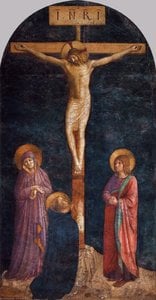
Fra Angelico's “Juicio Final” (The Last Judgment), painted around 1425-1430 for the San Marco convent in Florence, isn’t merely a depiction of divine judgment; it’s a profound meditation on mortality, faith, and the eternal consequences of earthly choices. More than just a religious scene, it's a meticulously crafted allegory, brimming with symbolism that invites contemplation long after the initial visual impact fades. The fresco, now residing in the Museo Nazionale di San Marco, stands as a testament to Fra Angelico’s extraordinary skill and his deeply spiritual vision.
The composition immediately draws the eye to Christ Pantocrator – “Christ Ruler of All” – enthroned at the center, radiating an almost unbearable light. He's not depicted in triumphant glory, but with a serene, sorrowful expression, embodying both judgment and mercy. Surrounding him are figures drawn from the Bible and Christian tradition: Mary, radiant and compassionate; St. John the Evangelist, gesturing towards the heavens; and a host of saints, each representing a different virtue. The sheer number of figures – over 250 in total – creates an overwhelming sense of scale, mirroring the vastness of God’s judgment.
However, it's not just the heavenly realm that dominates the fresco. Below Christ, a dramatic scene unfolds: the damned are dragged into Hell by demonic figures, their faces contorted in agony. The imagery is visceral and unsettling – a depiction of eternal torment rendered with remarkable detail and emotional intensity. Yet, even here, there’s a subtle acknowledgment of humanity; the demons themselves possess a disturbing beauty, reflecting the seductive power of sin. The broken tombs at the foot of Christ symbolize the resurrection and offer a glimmer of hope amidst the despair.
Fra Angelico's mastery is evident in every brushstroke. He employed the tempera technique, known for its luminosity and rich colors – a method favored by artists of his time. The palette is restrained yet vibrant, dominated by deep blues, reds, and golds, creating an atmosphere of both solemnity and grandeur. Notice the meticulous detail in the drapery, the subtle gradations of light and shadow, and the expressive faces of the figures.
Crucially, Fra Angelico was a pioneer in using linear perspective – a revolutionary technique that created the illusion of depth on a flat surface. This is particularly evident in the depiction of the city of Florence below, which appears to recede into the distance with remarkable accuracy. His understanding of anatomy and proportion is also exceptional, lending a sense of realism to even the most fantastical elements of the scene.
“Juicio Final” is saturated with symbolism, inviting layers of interpretation. The flaming sword held by St. Michael represents divine justice, while the scales in the upper left corner symbolize the weighing of souls. The lilies held by Mary represent purity and innocence, while the keys she carries signify her role as the mother of God. Even seemingly minor details – such as the specific saints depicted – carry symbolic weight, reflecting the theological concerns of the time.
The inclusion of figures like Dante Alighieri, a prominent humanist scholar, suggests that Fra Angelico’s work was intended to engage with contemporary intellectual debates about morality and salvation. The fresco wasn't simply a devotional image; it was a complex statement about the human condition and the path to redemption.
Despite being painted over 600 years ago, “Juicio Final” continues to resonate with viewers today. Its powerful imagery and profound themes speak to universal concerns about life, death, and the search for meaning. The fresco’s emotional honesty – its ability to evoke both fear and hope – is a testament to Fra Angelico's genius.
Reproductions of this masterpiece offer an opportunity to bring its spiritual depth into any space. Whether adorning a chapel wall or gracing a private study, “Juicio Final” serves as a constant reminder of the choices we make and the eternal consequences that await us all. It’s more than just a painting; it's a window into the soul of the Renaissance and a timeless meditation on faith and humanity.


1395 - 1455 , 意大利

Explore the profound mastery of fresco painting, from the technical alchemy of buon fresco to the legendary narratives of Renaissance masters like Ghirlandaio. Discover how this timeless medium shaped art history and continues to inspire architectural grandeur today.

Embark on a profound journey through the ethereal masterpieces of Fra Angelico. Discover the spiritual depth, divine light, and technical brilliance of the 'Angelic Painter' in this expert exploration of Early Renaissance devotion and sacred art history.

Discover the timeless art of fresco painting. Explore the profound history, technical mastery of buon fresco, and the enduring legacy of Renaissance masters like Michelangelo in this expert guide to painting on wet plaster.

Explore the profound artistry of The Last Supper through an art historian's lens. From Leonardo da Vinci’s genius to diverse Renaissance interpretations, discover the symbolism and technique behind history's most iconic sacred depictions.


 效果预览
效果预览
 分享
分享 分享
分享
 详情
详情

 下载
下载
 相似作品
相似作品 X射线
X射线 幻灯片播放
幻灯片播放 统计数据
统计数据
 展开详情
展开详情









 玻璃选项仅适用于110厘米以下的尺寸。