博物馆级艺术微喷或帆布版画,制作高效,并提供多种饰面选择。 ( 订购此收藏品的纯手工复刻画作 切换至数字图像销售渠道)





























您可以从与原作比例一致的预设尺寸中进行选择。

您可以输入自定义尺寸,以适配特定的画框或空间。如果您选择的尺寸与原图比例不符,我们将对作品进行裁剪,或通过镜像填充/纯色填充边缘的方式来扩展图像。在开始制作之前,我们会向您发送一份数字效果图供您确认。
请注意,屏幕上的预览并不能反映实际的裁剪或扩展效果。只有效果图才能准确展示最终的构图。
虽然我们提供定制尺寸,但为了保持原图比例,我们建议您从预设列表中选择尺寸。
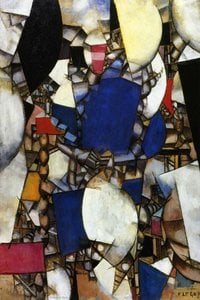
Staircase 19
复刻品尺寸说明
"Staircase 19" 拥有专属的 统计数据 页面。该页面通过国家和语言维度的细分,展示了该作品及艺术家其他作品的每月访问量趋势图。
费尔南·莱热 在 Cubism 运动时期创作了《Staircase 19》。
费尔南·莱热 的《Staircase 19》 属于 属于公有领域 —— 其版权已过期。此版权状态决定了该作品图像的复制方式。
"Staircase 19"创作于1914年。这一日期将该作品置于费尔南·莱热的艺术生涯及其所处时代之中。
当"Staircase 19"于1914创作时,出生于1881的费尔南·莱热正值33岁。
"Staircase 19" 的色彩构成了一个 Neutrals 色调。此分类描述了作品中的主导色系。
"Staircase 19" 由 费尔南·莱热 创作。本页面的信息旨在介绍 费尔南·莱热 的原作。

1881 - 1955 , 法国

Explore the profound evolution of Cubist still life, from Cézanne's structural foundations to the fragmented brilliance of Braque and Léger. Discover how geometric abstraction redefined reality through a sophisticated lens of form, color, and modern artistic mastery.

Explore the profound spiritual depth of geometric abstraction. From Malevich's Suprematism to modern masters, our expert guide reveals how pure form and color command presence in fine art collections.

Explore the vibrant world of Fernand Léger. Discover how his 'Tubism' and Machine Age aesthetics redefined modern art, offering profound inspiration for discerning collectors seeking geometric beauty and industrial dynamism.


 实景预览
实景预览
 发送
发送 分享
分享
 详情
详情 指南
指南

 下载图片
下载图片
 相似作品
相似作品 X射线
X射线 幻灯片播放
幻灯片播放 统计数据
统计数据

 阅读全文
阅读全文









 玻璃选项仅适用于110厘米以下的尺寸。