由我们的艺术家按需定制,为您提供您所选尺寸及画框的布面手工油画。 ( 切换至版画销售渠道 切换至数字图像销售渠道)





























您可以从与原作比例一致的预设尺寸中进行选择。

您可以输入自定义尺寸,以适配特定的画框或空间。如果所选尺寸与原图比例不符,我们将通过裁剪作品或添加手绘元素来扩展画面。数字样稿将在制作开始前发送给您确认。
请注意,屏幕预览无法准确反映实际的裁剪或扩展效果,只有样稿才能真实呈现最终的构图。
虽然我们提供定制尺寸服务,但为了保留原作比例,建议您从预设列表中选择尺寸。

Landscape2
复刻品尺寸说明
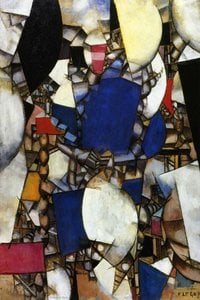
To encounter Fernand Léger’s 1913 masterpiece, Landscape, is to witness the precise moment where the pastoral past collided with the industrial future. This work serves as a profound cornerstone of Cubist aesthetics, capturing a world in transition. While the canvas draws its soul from the rolling greenery of rural Normandy—the artist's own formative landscape—it refuses to remain anchored in mere nostalgia. Instead, Léger orchestrates a deliberate reconciliation between the raw, organic beauty of nature and the burgeoning, rhythmic power of the machine age. It is a visual dialogue that speaks to the tension and the eventual harmony found between the earth and the engine.
The painting’s technique is a masterclass in the Cubist language of fragmentation and reconstruction. Rather than offering a window into a realistic scene, Léger utilizes flattened planes and multiple perspectives to deconstruct familiar elements like trees, buildings, and tracks into a dynamic arrangement of geometric forms. His brushwork possesses a tactile, muscular quality; thick impasto strokes lend a physical weight to the pigment, emphasizing the materiality of the paint itself. This approach does not merely depict a scene but engineers a visual experience, where the movement of a train on its tracks is felt through the very rhythm of the composition.
Beyond its striking geometry, Landscape is rich with the symbolic weight of the early twentieth century. Painted during the height of the Belle Époque, the work anticipates the frenetic energy of Futurism and the bold clarity of Pop Art. The inclusion of architectural structures alongside natural elements is far from decorative; it represents Léger’s deep-seated belief in the coexistence of civilization and the wilderness. Within this fractured landscape, a prominent clock emerges as a poignant symbol, acting as a silent sentinel reminding the viewer of time's relentless, mechanical march against the enduring stillness of the trees.
For the discerning collector or interior designer, this piece offers more than just aesthetic appeal; it provides a focal point of intellectual and emotional depth. The painting’s ability to blend the man-made—such as the sleek, moving train and structured buildings—with the organic creates an atmosphere of "mechanized harmony." It is a work that commands attention in any modern space, inviting contemplation on how technology reshapes our perception of the natural world. Whether viewed as a tribute to industrial progress or a study in structural beauty, Léger’s vision remains a vibrant, high-voltage celebration of modern life that continues to inspire awe and curiosity.


1881 - 1955 , 法国

Explore the vibrant world of Fernand Léger. Discover how his 'Tubism' and Machine Age aesthetics redefined modern art, offering profound inspiration for discerning collectors seeking geometric beauty and industrial dynamism.

Discover the profound serenity of timeless pastoral landscapes. From Impressionist masterpieces to bespoke oil commissions, explore how curated fine art brings the enduring beauty and tranquility of nature into your luxury home interior.

Explore the profound intersection of industry and artistry. Discover museum-quality reproductions of Machine Age masterpieces by Léger and Rivera, curated for elite collectors seeking to infuse luxury interiors with the powerful, geometric soul of industrial progress.


 实景预览
实景预览
 发送
发送 分享
分享
 详情
详情 指南
指南

 下载图片
下载图片
 相似作品
相似作品 X射线
X射线 幻灯片播放
幻灯片播放 统计数据
统计数据

 阅读全文
阅读全文









 玻璃选项仅适用于110厘米以下的尺寸。