
博物馆级艺术微喷或帆布版画,制作高效,并提供多种饰面选择。 ( 订购此收藏品的纯手工复刻画作 切换至数字图像销售渠道)





























您可以从与原作比例一致的预设尺寸中进行选择。

请输入您所需的宽度和高度,以适配您的画框或墙面。由于印刷品只能进行裁剪,无法超出原图尺寸,因此若比例不一致,画面的一部分将会被裁切。在正式印刷之前,我们会为您发送一份数字效果图供您确认。本页面显示的图片并非最终裁剪后的效果——只有效果图才能展示真实的裁剪情况。
Ball bearing
复刻品尺寸说明
Fernand Léger's 1926 painting, "Ball Bearing," is more than just a still life; it’s a meticulously crafted meditation on the burgeoning relationship between humanity and machinery. Executed during a period of unprecedented industrial growth and technological innovation, the work embodies Léger’s signature style – a vibrant synthesis of Cubism's fragmented forms with an optimistic embrace of the machine age. The painting depicts a seemingly chaotic arrangement of objects within a red box: bottles of varying shapes and sizes, alongside a central oval form, all contributing to a dynamic composition that feels both familiar and strikingly new. Léger’s intention wasn’t simply to represent these items realistically, but rather to explore their inherent geometric qualities and the rhythmic patterns they evoke – echoes of the factories and urban landscapes transforming Europe at the time.
Léger's artistic trajectory was profoundly shaped by his upbringing in rural Normandy, a region deeply connected to agriculture and traditional craftsmanship. This experience provided a crucial counterpoint to the increasingly mechanized world he encountered in Paris. He rejected the prevailing trend of pure abstraction, instead seeking to translate the visual language of machines – their angularity, their repetitive patterns, their inherent energy – into a new artistic vocabulary. “Ball Bearing” exemplifies this approach perfectly. The box itself can be interpreted as a container for these mechanical forms, while the bottles and oval object become stylized representations of industrial components, echoing the rhythmic processes of production.
Historical Context: The painting was created during the interwar period (1918-1939), a time of rapid technological advancement and social upheaval. Léger’s work reflects this era's fascination with industrialization, urbanization, and the changing role of humanity in a world increasingly dominated by machines.Léger employed a distinctive technique characterized by bold brushstrokes, vibrant color application, and a deliberate emphasis on surface texture. The painting’s composition is carefully constructed to create a sense of visual rhythm and movement. The overlapping planes, the varying sizes of the objects, and the strategic placement of light and shadow all contribute to this dynamic effect. Notice how Léger uses repetition – the bottles, for example – not as mere duplication but as elements within a larger, more complex pattern. This technique reflects his belief that art should capture the essence of modern life, with its inherent order and dynamism.
"Ball Bearing" transcends a simple depiction of objects; it’s a symbolic representation of humanity's evolving relationship with technology. The painting evokes a sense of both wonder and apprehension – a recognition of the potential power of machines while simultaneously acknowledging their impact on human experience. Léger’s optimistic vision suggests that this integration of form and function could lead to a new era of harmony, where art and industry coexist in a mutually beneficial relationship. The bold colors and energetic composition imbue the work with a palpable sense of vitality, inviting viewers to contemplate the transformative forces shaping their world.
凭借其Industrial的意境,建议将“Ball bearing”装饰于Living Room。
建议将“Ball bearing”打印为 Large 尺寸。其他尺寸亦可按相同比例进行制作。
在“Ball bearing”中,Industrial 的氛围伴随着 Reflective 的情感。

1881 - 1955 , 法国
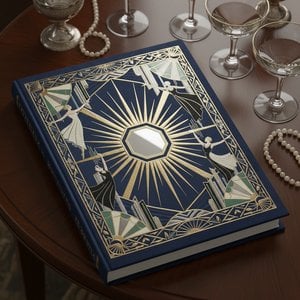
Discover the allure of Art Deco through a curated guide to its most iconic masterpieces. Explore the elegance of Erté and the innovation of Jean Dunand, perfect for collectors seeking timeless glamour and sophisticated design inspiration.

Discover the breathtaking allure of Art Deco. Explore the era's iconic geometry, legendary designers like Erté, and timeless glamour. Perfect for discerning collectors seeking to infuse their spaces with sophisticated modernist elegance and historical prestige.

Master the nuances of Giclée printing with our expert guide. Discover how pigment-based inks and museum-grade substrates create fade-resistant, high-fidelity art reproductions designed for discerning collectors seeking unparalleled quality and longevity.


 实景预览
实景预览
 发送
发送 分享
分享
 详情
详情 指南
指南

 下载图片
下载图片
 相似作品
相似作品 X射线
X射线 幻灯片播放
幻灯片播放 统计数据
统计数据

 阅读全文
阅读全文









 玻璃选项仅适用于110厘米以下的尺寸。


