博物馆级艺术微喷或帆布版画,制作高效,并提供多种饰面选择。 ( 订购此收藏品的纯手工复刻画作 切换至数字图像销售渠道)





























您可以从与原作比例一致的预设尺寸中进行选择。

请输入您所需的宽度和高度,以适配您的画框或墙面。由于印刷品只能进行裁剪,无法超出原图尺寸,因此若比例不一致,画面的一部分将会被裁切。在正式印刷之前,我们会为您发送一份数字效果图供您确认。本页面显示的图片并非最终裁剪后的效果——只有效果图才能展示真实的裁剪情况。
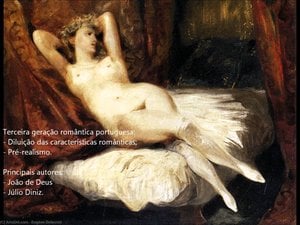
Andromeda
复刻品尺寸说明
For more information on Eugène Delacroix and his works, visit /art/list/?Filter=eugène+delacroix,eugène,delacroix.
To explore other paintings by the artist, including Perseus and Andromeda, see /art/list/?Filter=8YDM43-Eugene-Delacroix-Perseus-and-Andromeda.
The Musée Eugène Delacroix in Paris is also a must-visit destination for art enthusiasts, offering a unique glimpse into the life and work of this renowned artist: /art/list/?Filter=A@D3CET9-Discover-the-Musee-Eugene-Delacroix-a-Hidden-Gem-in-Paris.
费迪南·维克多·欧仁·德拉克洛瓦,1798年出生于巴黎附近的沙朗东圣莫里斯,不仅仅是一位画家,更是浪漫主义精神的化身。在社会动荡和审美理想转变的时代,德拉克洛瓦成为法国艺术界的重要人物,他摒弃了新古典主义的严谨形式,转而拥抱戏剧性、情感和充满活力的色彩,从而永远改变了绘画的进程。他的一生虽然充满了个人悲剧,却与他的艺术愿景密不可分——追求崇高,探索异域世界,表达人类经验的原始力量。
德拉克洛瓦的早期生活受到复杂的家庭历史和相对脆弱的健康状况的影响。十六岁时失去双亲后,他从有影响力的查理-莫里斯·德·塔列朗-佩里戈尔那里获得了指导,许多人认为他是他的亲生父亲。这种联系为他提供了重要的赞助和进入巴黎艺术世界的机会。他最初师从受人尊敬的学院派画家皮埃尔-纳西斯·盖兰,但真正点燃德拉克洛瓦艺术激情的却是西奥多·热里科的作品——特别是他那宏伟的《梅杜莎号之筏》。他甚至为热里科摆姿势,吸收了这位前辈艺术家对现实主义和情感强度的承诺。
1822年,德拉克洛瓦在沙龙展上首次亮相《但丁与维吉尔在地狱中》,这部作品立即预示了他与既定规范的决裂。受到但丁·阿利吉耶里的《地狱》的启发,这幅画展示了大胆的色彩运用、动态的构图和一种强烈的心理动荡感。这标志着他职业生涯的开始,致力于探索激情、冲突和人类状况的主题。尽管最初反应不一——一些评论家赞扬了他的独创性,另一些人则认为他的作品混乱且缺乏古典精致——德拉克洛瓦仍然坚持不懈,发展出一种以自由奔放的笔触、丰富的纹理和对运动的强调为特征的独特风格。
他对历史和文学主题之外的事物产生了浓厚的兴趣。1832年对北非的旅行深刻地影响了他的艺术轨迹。沉浸在摩洛哥充满活力的文化中,德拉克洛瓦被异域风光、阿拉伯部落游牧生活方式以及他们传统的热烈氛围所吸引。这种经历为他的绘画注入了新的色彩、光线和能量,如《阿拉伯马匹搏斗》和众多阿尔及利亚生活的研究中所见。他不仅仅是在记录这些场景;他试图理解与自己文化截然不同的文化的内在精神。
德拉克洛瓦对色彩的掌握是他最持久的遗产之一。他从鲁本斯巴洛克风格的奔放和威尼斯文艺复兴大师那里汲取灵感,优先考虑色度强度而不是精确的素描技巧。他理解色彩可以唤起情感、创造氛围并以线条无法表达的方式传达意义。这种创新的方法深刻地影响了后世艺术家,为印象派和后印象派铺平了道路。
除了他的审美创新之外,德拉克洛瓦还是一位积极参与政治的艺术家。他最著名的作品,《人民领导自由》(1830年)不仅仅是对七月革命的描绘;它更是对自由与反抗的有力象征。这幅画动态的构图、寓言人物和原始的情感力量使其在艺术史上确立了作为法国国家认同和革命理想象征的地位。它不仅仅是记录一个事件;而是捕捉一个为自由而战的国家的精神。
德拉克洛瓦一生都在不断创作,探索从莎士比亚悲剧到圣经叙事的各种主题。他还作为一位石版画家做出了重要贡献,为威廉·斯科特和约翰·沃尔夫冈·冯·歌德等文学巨匠的作品绘制插图。他的工作室成为艺术交流的中心,吸引了渴望学习他非常规方法的有抱负的画家。
到1863年去世时,德拉克洛瓦已经确立自己为法国最伟大的艺术家之一。他的影响远远超出了浪漫主义运动的范围,塑造了现代绘画的发展,并以其大胆的色彩运用、动态的构图和对情感表达的不懈承诺激励着无数艺术家。他仍然是艺术史上的一位重要人物——证明了个体愿景的力量和崇高的持久魅力。

1798 - 1863 , 法国

Explore the profound tension between Neoclassicism's rational order and Romanticism's emotional depth. An expert journey through the masters of art history, from David to Delacroix, perfect for collectors and enthusiasts seeking a deeper understanding of artistic evolution.

Explore the profound beauty of mythological figures through the lens of art history. From Renaissance masterpieces to custom oil reproductions, discover how legendary tales of heroism and divinity are immortalized in fine art for discerning collectors.

Embark on a sophisticated journey through the eternal allure of mythological art. Discover how master painters breathe life into ancient legends, from Greek deities to Baroque masterpieces, and learn to curate these timeless narratives within your own exquisite art collection.


 实景预览
实景预览
 发送
发送 分享
分享
 详情
详情 指南
指南

 下载图片
下载图片
 相似作品
相似作品 X射线
X射线 幻灯片播放
幻灯片播放 统计数据
统计数据
 阅读全文
阅读全文









 玻璃选项仅适用于110厘米以下的尺寸。