博物馆级艺术微喷或帆布版画,制作高效,并提供多种饰面选择。 ( 订购纯手工绘制画作 切换至数字图像销售渠道)
您可以从与原作比例一致的预设尺寸中进行选择。

请输入您所需的宽度和高度,以适配您的画框或墙面。由于印刷品只能进行裁剪,无法超出原图尺寸,因此若比例不一致,画面的一部分将会被裁切。在正式印刷之前,我们会为您发送一份数字效果图供您确认。本页面显示的图片并非最终裁剪后的效果——只有效果图才能展示真实的裁剪情况。
Unity
复刻品尺寸
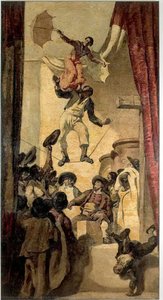
In the monumental mural Unity, created in 1911, Ferdinand Hodler presents a profound meditation on the collective human spirit. This expansive work, stretching across an impressive scale, transcends mere portraiture to become a rhythmic tapestry of existence. The composition is masterfully arranged in rows of figures that seem to pulse with a shared vitality; some individuals press toward the foreground with palpable presence, while others recede into the background, creating a sense of depth that draws the viewer into their communal orbit. Each figure, meticulously rendered with distinct features and emotive expressions, contributes to a larger, singular heartbeat. As eyes wander across the canvas, one notices the subtle details—the gentle grip on a bowl, the quiet posture of a cup held in hand—elements that ground this grand symbolic vision in the intimate realities of daily life.
The technique employed by Hodler is a testament to his pioneering concept of parallelism, a stylistic hallmark where repetitive forms and rhythmic arrangements create a sense of structural harmony. In Unity, this is achieved through the deliberate placement of bodies and limbs that echo one another, weaving a visual cadence that guides the viewer's gaze through the crowd. The artist’s brushwork, though detailed enough to capture the unique character of each face, serves a higher purpose: to unify the disparate individuals into a cohesive whole. This balance between individual identity and collective rhythm is what makes the mural so captivating for the modern observer, offering a visual language that speaks of both the singular soul and the strength found in togetherness.
To understand Unity, one must look into the soul of Ferdinand Hodler himself. Born in Bern, Switzerland, his early life was marked by the profound tragedy of losing his father and two brothers, a series of losses that deeply embedded themes of mortality and the interconnectedness of life within his psyche. In this mural, the concept of unity is not merely a social ideal but a spiritual necessity. The figures do not stand in isolation; they are bound by an invisible thread of shared destiny. The painting serves as a powerful symbol of how individual lives, despite their unique struggles and varied roles, contribute to the enduring fabric of humanity. For collectors and enthusiasts, this piece offers more than aesthetic beauty; it provides a philosophical anchor, reflecting the eternal search for harmony in an often fragmented world.
For interior designers and curators of fine art, a high-quality reproduction of Unity serves as a commanding focal point that breathes life into any space. Its large-scale presence and rich, symbolic narrative make it an ideal choice for grand halls, libraries, or sophisticated living environments where conversation and contemplation are encouraged. The mural’s ability to evoke a sense of peace and structural order makes it a versatile masterpiece, capable of anchoring a room with its historical weight while providing a window into the profound beauty of human solidarity.


1853 - 1918 , 瑞士

Elevate your hospitality projects with our expert trend forecast on luxury murals. From biophilic botanical jungles to opulent gold leaf geometry, discover how bespoke large-scale wall art and custom frescoes can transform hotel interiors into unforgettable architectural statements.
Discover how bespoke mural art transforms empty spaces into soulful sanctuaries. Explore the luxury of large-scale architectural frescoes, geometric abstractions, and custom oil paintings designed to elevate high-end interiors with unparalleled artistry and emotional depth.
Elevate hospitality interiors with bespoke murals that define architectural identity. Discover expert strategies for integrating site-specific art, large-scale oil reproductions, and custom frescoes into luxury spatial design to create unforgettable guest experiences.


 实景预览
实景预览
 分享
分享 分享
分享
 详情
详情 指南
指南

 下载作品
下载作品
 相似作品
相似作品 X射线
X射线 幻灯片播放
幻灯片播放 Q&A
Q&A 统计数据
统计数据


 展开全文
展开全文






































 玻璃选项仅适用于110厘米以下的尺寸。