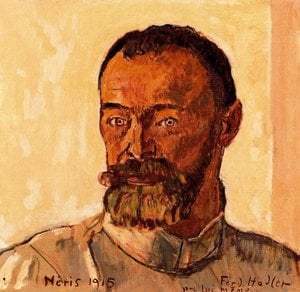
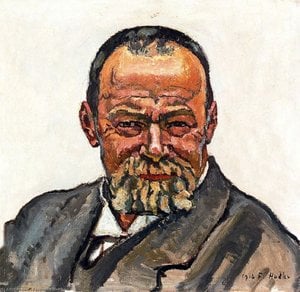
Acrylic On CanvasWallArtSymbolism
 1901
1901 48.0 x 25.0 cm
 波斯尼亚和黑塞哥维那国家美术馆
博物馆级艺术微喷或帆布版画,制作高效,并提供多种饰面选择。 ( 订购此收藏品的纯手工复刻画作 切换至数字图像销售渠道)





























您可以从与原作比例一致的预设尺寸中进行选择。

请输入您所需的宽度和高度,以适配您的画框或墙面。由于印刷品只能进行裁剪,无法超出原图尺寸,因此若比例不一致,画面的一部分将会被裁切。在正式印刷之前,我们会为您发送一份数字效果图供您确认。本页面显示的图片并非最终裁剪后的效果——只有效果图才能展示真实的裁剪情况。
Figure study
复刻品尺寸说明
Ferdinand Hodler's “Figure Study,” painted in 1901, isn’t merely a sketch; it’s a distilled essence of late 19th-century Swiss Symbolism. Born amidst profound personal loss – the untimely deaths of his father and brothers casting a long shadow over his early life – Hodler channeled these experiences into an artistic language deeply rooted in introspection and the ephemeral nature of existence. This particular work, created during a period of intense creative exploration, exemplifies his signature style: a delicate balance between realism and abstraction, capturing not just the outward appearance but also the underlying emotional state of the subject.
The painting’s genesis lies within Hodler's evolving approach to portraiture. Initially focused on conventional depictions, he began to experiment with a more expressive and symbolic style, moving away from strict realism towards an exploration of inner landscapes. “Figure Study” represents this pivotal shift, demonstrating his growing interest in conveying mood and psychological depth through simplified forms and subtle tonal variations. It’s a preparatory drawing for "The Emotion," suggesting that the final composition was intended to be part of a larger series exploring human feeling.
Hodler's technique in “Figure Study” is characterized by its remarkable fluidity and gestural quality. The pencil lines, rendered with varying pressure and direction, create a sense of movement and immediacy—as if the figure were caught in a fleeting moment of grace. Notice how the loose, almost hesitant strokes define the contours of the body, avoiding overly precise detail. This deliberate lack of finish contributes to the painting’s intimate and personal feel, inviting the viewer into the artist's creative process.
Beyond its technical merits, “Figure Study” is rich in symbolic meaning. The woman’s flowing dress and graceful posture evoke a sense of serenity and timelessness, while her slightly averted gaze suggests introspection and perhaps even melancholy. The painting's connection to "The Emotion" hints at an exploration of the human condition—the interplay between joy and sorrow, life and death. Hodler frequently used themes of loss and mortality in his work, reflecting his own personal experiences and a broader awareness of the fragility of existence.
Consider the figure’s position: poised on the cusp of movement, as if caught mid-stride. This captures a fleeting moment, an instant of being—a reminder that life is constantly in flux. The painting isn't about depicting a specific event but rather conveying a universal feeling, a sense of longing or contemplation.
A hand-painted reproduction of “Figure Study” offers a stunning way to bring the evocative power of this masterpiece into your home. The delicate pencil strokes and subtle tonal variations translate beautifully onto canvas, capturing the essence of Hodler's unique artistic vision. Whether adorning a living room wall or gracing a study, this artwork will serve as a constant source of inspiration—a reminder of the beauty, complexity, and profound emotional depth that lie within the human experience.
"Figure study" 的画幅格式为 Tall。这对于规划复制品的摆放位置非常有用。
总体而言,"Figure study" 的亮度记录为 brilliant。感知亮度描述了作品呈现出的明暗程度。
"Figure study" 属于 Symbolism 流派,其创作者活跃于 19世纪 时期。

1853 - 1918 , 瑞士

Elevate your artistic practice with this expert guide to mastering the line. Discover advanced techniques in graphite, charcoal, and contour drawing designed for art students seeking technical precision and expressive depth in their fine art studies.

Discover the sophisticated mastery of graphite drawing. Explore expert techniques for achieving profound depth, intricate texture, and hyper-realistic detail through the alchemy of carbon, curated for the discerning art enthusiast and professional collector.

Explore the profound beauty of the sketch. Discover how masters use charcoal and graphite to capture raw emotion, anatomical precision, and fluid movement, bridging the gap between ephemeral marks and eternal oil masterpieces.

Explore the profound artistry of graphite drawing. Discover professional techniques for mastering depth, texture, and detail through a lens of art history, from classical sketches to modern masterpieces. Elevate your understanding of the pencil medium with our expert guide.
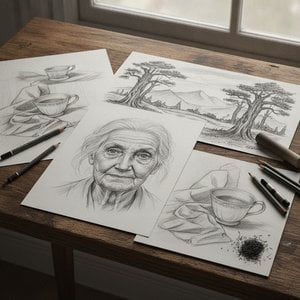
Explore the profound elegance of pencil and charcoal sketching. Discover how masters use line, shadow, and chiaroscuro to capture light and texture, bridging the gap between preparatory studies and timeless fine art masterpieces.


 实景预览
实景预览
 发送
发送 分享
分享
 详情
详情 指南
指南

 下载图片
下载图片
 相似作品
相似作品 X射线
X射线 幻灯片播放
幻灯片播放 统计数据
统计数据 阅读全文
阅读全文









 玻璃选项仅适用于110厘米以下的尺寸。