
 Oil On CanvasWallArtCloisonnism
 1898
1898 24.0 x 33.0 cm
 巴尔的摩艺术博物馆
博物馆级艺术微喷或帆布版画,制作高效,并提供多种饰面选择。 ( 购买手绘画作 切换至数字图像销售渠道)





























从与原作比例一致的预设尺寸中进行选择。

您可以输入自定义尺寸,以适配特定的画框或空间。如果您选择的尺寸与原图比例不符,我们将对作品进行裁剪,或通过镜像填充/纯色填充边缘的方式来扩展图像。在开始制作之前,我们会向您发送一份数字效果图供您确认。
请注意,屏幕上的预览并不能反映实际的裁剪或扩展效果。只有效果图才能准确展示最终的构图。
虽然我们提供定制尺寸,但为了保持原图比例,我们建议您从预设列表中选择尺寸。

The Lie
复制品尺寸
Felix Vallotton's "The Lie," painted in 1898, isn’t merely a depiction of a couple embracing; it’s a carefully constructed tableau brimming with unspoken tension and the subtle dance between truth and deception. This oil on artist’s board, measuring 24 x 33 cm and currently residing within the Baltimore Museum of Art's Cone Wing, exemplifies Vallotton’s mastery of Cloisonnism – a style characterized by bold outlines defining shapes and colors, creating a strikingly flat and graphic effect. The painting immediately draws the eye to the central figures, a man and woman locked in passionate embrace on a plush couch within a richly colored room dominated by shades of red. Vallotton’s deliberate use of color isn't about realism; instead, it amplifies the mood, creating an atmosphere both seductive and unsettling.
Vallotton’s signature style is evident in every brushstroke. The figures are rendered with simplified forms, their bodies outlined in stark black lines that delineate their shapes against the vibrant background. This technique, central to Cloisonnism, creates a sense of detachment, almost as if viewing a carefully staged photograph. The composition itself is meticulously balanced – the couple occupies the visual center, while three smaller figures positioned in the background offer glimpses into another room, subtly suggesting a larger narrative and adding depth without disrupting the primary focus. The arrangement feels deliberately controlled, mirroring the calculated nature of the scene’s central mystery.
"The Lie" has been interpreted in numerous ways, primarily revolving around the theme of deception. The title itself is a potent clue, immediately raising questions about the sincerity of the couple’s embrace. Are they truly lost in love, or is there something hidden beneath the surface? The red room, often associated with passion and desire, could also symbolize danger and temptation. The small figures in the background might represent witnesses to this clandestine encounter, further emphasizing the sense of secrecy and potential betrayal. Vallotton masterfully avoids offering a definitive answer, instead inviting viewers to contemplate the ambiguity and grapple with the complexities of human relationships.
Vallotton’s work emerged during the *fin de siècle*, a period marked by social upheaval, artistic experimentation, and a growing sense of disillusionment. Artists like Vallotton were rejecting traditional academic styles in favor of more modern approaches, exploring new techniques and subject matter. His use of flattened forms, bold colors, and simplified compositions aligned with the broader trends of Impressionism and Post-Impressionism, particularly Neo-Impressionism, which emphasized the use of pure color to create visual sensations. “The Lie” stands as a testament to this era’s fascination with psychology, social dynamics, and the exploration of hidden emotions – themes that would continue to resonate throughout 20th-century art.
Vallotton's work is available for high-quality reproductions through various reputable sources. Consider a hand-painted reproduction to truly capture the essence of this captivating masterpiece, bringing its enigmatic atmosphere into your home or office space.

1865 - 1925 , 瑞士

Immerse yourself in the splendor of Rococo art. Discover the era of elegance through masterworks by Watteau and Fragonard. Explore themes of romance, aristocratic leisure, and gilded ornamentation in this definitive guide to 18th-century French opulence.

Discover why a custom oil painting is the ultimate luxury wedding gift. Elevate your gifting with bespoke, hand-painted masterpieces that transform cherished memories into timeless heirlooms for a lifetime of romance.
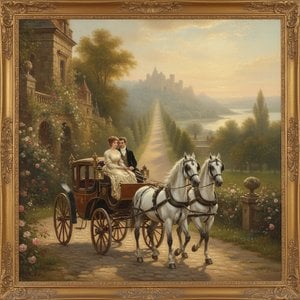
Embark on a visual journey through the romantic world of horse carriage art. Discover the mastery of equestrian oil paintings, from Impressionist textures to classical realism, and learn how to bring timeless elegance into your home with museum-quality reproductions.


 效果预览
效果预览
 分享
分享 分享
分享
 详情
详情

 下载
下载
 相似作品
相似作品 X射线
X射线 幻灯片播放
幻灯片播放 统计数据
统计数据 展开详情
展开详情









 玻璃选项仅适用于110厘米以下的尺寸。


