
 Acrylic On CanvasWallArtImpressionistic Modernism
 194819th Century
 61.0 x 50.0 cm
 Crystal Bridges Museum of American Art
博物馆级艺术微喷或帆布版画,制作高效,并提供多种饰面选择。 ( 订购纯手工绘制画作 切换至数字图像销售渠道)





























您可以从与原作比例一致的预设尺寸中进行选择。

请输入您所需的宽度和高度,以适配您的画框或墙面。由于印刷品只能进行裁剪,无法超出原图尺寸,因此若比例不一致,画面的一部分将会被裁切。在正式印刷之前,我们会为您发送一份数字效果图供您确认。本页面显示的图片并非最终裁剪后的效果——只有效果图才能展示真实的裁剪情况。
Ambulance Call
复刻品尺寸
Ambulance Call, painted in 1948 by Eugène Lawrence Vail, is more than just a depiction of a medical scene; it's a poignant snapshot of community and shared experience within the vibrant heart of Harlem. Vail, deeply rooted in the Impressionistic tradition yet infused with a uniquely Breton sensibility – born in Saint-Servan-sur-Renne, France – masterfully captures the raw emotion and quiet dignity of everyday life. The painting’s power lies not just in its subject matter but in Vail's skillful manipulation of color, form, and composition to evoke a profound sense of empathy and connection.
Painted during the 1940s, “Ambulance Call” offers a rare glimpse into the realities of life in Harlem, then one of the few facilities in New York City that admitted black patients. The painting’s creation coincided with a period of significant social and cultural change within the African American community, marked by both resilience and struggle. The Harlem Hospital, as depicted here, represented a crucial point of access to healthcare for a population often marginalized and underserved. Vail's decision to portray this scene underscores the importance of community support and mutual aid in navigating challenging circumstances.
Beyond its documentary value, “Ambulance Call” is rich in symbolic meaning. The white sheets enveloping the patient evoke vulnerability and fragility, while the attentive faces of the onlookers convey a shared sense of concern and responsibility. Vail’s use of bright, contrasting colors amplifies these emotions, creating a visually arresting image that resonates with viewers on a deeply human level. The painting speaks to themes of compassion, solidarity, and the enduring bonds of community – timeless values that transcend historical context.
Eugene Lawrence Vail’s “Ambulance Call” stands as a testament to his artistic vision and his ability to capture the spirit of a particular place and time. This evocative work, rendered in meticulous detail and imbued with emotional depth, offers a powerful reminder of the importance of community and the enduring human need for connection. Its bold composition and vibrant color palette make it a compelling addition to any collection, while its historical significance provides a valuable window into the social and cultural landscape of Harlem during the mid-20th century.
Eugène Lawrence Vail 的《Ambulance Call》 采用了 Earthy 色调,这一色调概括了作品整体的色彩特征。
"Ambulance Call" 原作尺寸为 61 x 50 cm。在选择复制品尺寸时,参考原作尺寸会非常有帮助。
不,该作品目前存放于海外。“Ambulance Call”现藏于美国,而Eugène Lawrence Vail出生于France。

The life of Eugène Lawrence Vail was a beautiful tapestry woven from two distinct worlds, blending the rugged charm of his Breton roots with the disciplined intellect of his American upbringing. Born in 1857 in Saint-Servan, France, to a Breton mother and an American father, Vail occupied a unique cultural space that would later define the breadth of his artistic perspective. His early path, however, seemed destined for a much more pragmatic vocation than the canvas. At the insistent behest of his father, who sought to provide him with a "practical" foundation, Vail traveled to New Jersey to study engineering at the Stevens Institute of Technology. It was during these formative years in Hoboken that he demonstrated not only academic rigor but also a burgeoning spirit of community, becoming a founding father of the Gamma chapter of the Theta Xi fraternity.
Yet, the call of the aesthetic could not be silenced by the precision of mathematics or the structure of engineering. After a brief period serving as a cartographer during the scientific expeditions of the Wheeler Survey in the United States, Vail felt the irresistible pull toward the fine arts. Returning to France in 1879, he embarked on a transformative journey through the most prestigious ateliers of his era. He sought mentorship from masters such as William Merritt Chase and James Carroll Beckwith at the Art Students League, before immersing himself in the rigorous traditions of the Académie Julian and the École des Beaux-Arts de Paris. Under the guidance of luminaries like Alexandre Cabanel and Raphaël Collin, Vail began to bridge the gap between classical technique and the burgeoning revolutionary spirit of Impressionism.
As his mastery over form grew, so too did his ability to capture the ephemeral. Vail’s true artistic awakening occurred as he wandered through the art colonies of Pont Aven and Concarneau, where the salt air and the rhythmic life of the coastal villages became his primary muses. His work is celebrated for its profound ability to translate the fleeting effects of light and atmosphere onto canvas, a hallmark of the Impressionistic movement. He did not merely paint landscapes; he painted the very soul of Brittany. Through bold, textured brushstrokes and a vibrant palette, he rendered village interiors and rural vistas that felt imbued with warmth, authenticity, and a sense of timelessness.
His stylistic evolution was marked by an increasing devotion to color and light, a progression that perhaps deepened during his autumn years spent in the sun-drenched landscapes of Italy. This period saw his work become even more fluid and impressionistic, moving away from strict structuralism toward a more emotive, atmospheric expression. His compositions often whispered stories of Breton folklore and local mythology, grounding his ethereal light in the tangible traditions of the people he so dearly loved. Whether depicting a quiet corner of a village or the shimmering surface of a coastal tide, Vail’s work remains a testament to the power of observation and the emotional resonance of the natural world.
The significance of Eugène Lawrence Vail’s contribution to the art world was recognized by his peers during his lifetime through numerous prestigious accolades. His talent earned him a gold medal at the Exposition Universelle in 1889, an achievement that solidified his standing within the international art community. He became a regular presence in the most esteemed galleries of Paris, including the celebrated gallery of Georges Petit, where he exhibited alongside members of the Société nouvelle de peintres et de sculpteurs. His reach extended far beyond the borders of France, with exhibitions spanning Northern Europe and even the Louisiana Purchase Exposition in the United States.
Today, the enduring legacy of Vail is preserved in some of the world's most venerable institutions, ensuring that his luminous visions continue to inspire new generations of art lovers. His life’s work serves as a vital link between American academic training and French Impressionist innovation. Notable collections holding his masterpieces include:
Through his ability to marry the precision of a cartographer with the soul of a poet, Eugène Lawrence Vail left behind a body of work that remains as vibrant and evocative today as the day the paint first dried upon it.

1857 - 1934 , France

Explore the captivating world of Sir Thomas Lawrence, Regency England's premier portraitist. Discover his artistic techniques, powerful representations of society, and enduring legacy. Expert insights for discerning art collectors.
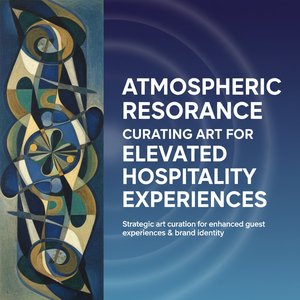
提升酒店品牌价值,打造难忘入住体验!本文分享精选艺术策展策略,涵盖目标客群分析、空间融合、本土文化运用等,助力您打造独具特色的文化空间。专业建议,值得信赖。

Explore the powerful narratives of Jacob Lawrence, a pivotal African American artist of the Harlem Renaissance. Discover his iconic 'Migration Series,' dynamic cubism style, and lasting impact on American art history.

Discover how strategic art curation transforms hospitality spaces & elevates guest experiences. Expert insights on ROI, placemaking, brand identity & creating unforgettable environments. Learn more!

Elevate your hotel's design with expertly curated art collections & hand-painted reproductions. Discover how strategic art enhances guest experience, brand identity & sustainable luxury. Trusted by leading hospitality designers.


 实景预览
实景预览
 分享
分享 分享
分享
 详情
详情 指南
指南

 下载作品
下载作品
 相似作品
相似作品 X射线
X射线 幻灯片播放
幻灯片播放 Q&A
Q&A 统计数据
统计数据 展开全文
展开全文









 玻璃选项仅适用于110厘米以下的尺寸。


