
博物馆级艺术微喷或帆布版画,制作高效,并提供多种饰面选择。 ( 购买手绘画作 切换至数字图像销售渠道)





























从与原作比例一致的预设尺寸中进行选择。

您可以输入自定义尺寸,以适配特定的画框或空间。如果您选择的尺寸与原图比例不符,我们将对作品进行裁剪,或通过镜像填充/纯色填充边缘的方式来扩展图像。在开始制作之前,我们会向您发送一份数字效果图供您确认。
请注意,屏幕上的预览并不能反映实际的裁剪或扩展效果。只有效果图才能准确展示最终的构图。
虽然我们提供定制尺寸,但为了保持原图比例,我们建议您从预设列表中选择尺寸。

untitled (8677)
复制品尺寸
Eugène Henri Paul Gauguin’s “untitled (8677)” presents a deceptively simple scene—a gathering of figures on a sun-drenched beach—yet it embodies the profound artistic vision that defined Gauguin's oeuvre and cemented his place as one of the most influential artists of the late nineteenth century. This painting, executed in 1895 during Gauguin’s formative years in Tahiti, transcends mere representation; it strives to convey a feeling, an atmosphere—a distillation of the beauty and serenity found in nature.
Gauguin departed decisively from Impressionism's focus on capturing fleeting optical sensations. Instead, he embraced Synthetist color theory championed by Vincent van Gogh, prioritizing expressive color over accurate depiction. The palette is vibrant and unrestrained—deep blues dominate the ocean expanse contrasted against warm yellows and oranges illuminating the sand and figures. These colors aren’t blended smoothly; they are applied in juxtaposed patches, creating a visual dynamism that mirrors the energy of the natural world.
The painting's surface is characterized by thick impasto—a technique where paint is applied in heavy layers—creating a palpable texture. Gauguin meticulously builds up pigment onto the canvas, sculpting forms with brushstrokes that are visible and deliberate. This tactile approach isn’t merely decorative; it serves to heighten the emotional impact of the artwork, conveying a sense of immediacy and physicality.
“untitled (8677)” reflects Gauguin’s broader artistic ambition—a fervent desire to reconnect with primal spirituality and escape the constraints of Western civilization. Following his relocation to Tahiti, he sought inspiration in Polynesian culture, attempting to capture its essence through simplified forms and bold colors. This painting exemplifies his fascination with mythology and symbolism, drawing upon motifs reminiscent of ancient rituals and beliefs.
The composition itself is laden with symbolic significance. The three women seated on the beach represent fertility and maternal care—themes central to Gauguin's worldview. The dog symbolizes loyalty and companionship, mirroring the artist’s own relationship with his adopted Tahitian son. Even the scattered rocks contribute to the painting’s narrative, suggesting stability amidst chaos and grounding the figures in their environment. Ultimately, “untitled (8677)” invites contemplation on themes of innocence, beauty, and the enduring power of nature.

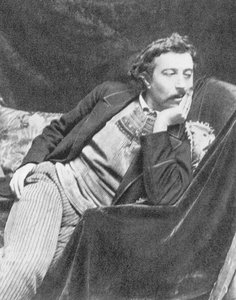
1848 - 1903 , 法国

Discover the profound emotional depth of Post-Impressionist landscapes. Explore how masters like Van Gogh revolutionized art through vibrant color, textured impasto, and symbolic expression in this expert guide to the movement that redefined modern art history.

Master the nuances of Impressionism vs. Post-Impressionism with our expert guide. Explore the revolutionary shift from Monet’s fleeting light to Van Gogh’s emotional depth. Discover how these iconic movements continue to inspire fine art collectors and modern interiors today.


 效果预览
效果预览
 分享
分享 分享
分享
 详情
详情

 下载
下载
 相似作品
相似作品 X射线
X射线 幻灯片播放
幻灯片播放 统计数据
统计数据
 展开详情
展开详情









 玻璃选项仅适用于110厘米以下的尺寸。


