
由我们的艺术家按需定制,为您提供您所选尺寸及画框的布面手工油画。 ( 切换至版画销售渠道 切换至数字图像销售渠道)





























从与原作比例一致的预设尺寸中进行选择。

您可以输入自定义尺寸,以适配特定的画框或空间。如果所选尺寸与原图比例不符,我们将通过裁剪作品或添加手绘元素来扩展画面。数字样稿将在制作开始前发送给您确认。
请注意,屏幕预览无法准确反映实际的裁剪或扩展效果,只有样稿才能真实呈现最终的构图。
虽然我们提供定制尺寸服务,但为了保留原作比例,建议您从预设列表中选择尺寸。

Clavichord by Arnold Dolmetsch
复制品尺寸
In the quiet intersection where craftsmanship meets musical devotion, there exists a profound beauty found in the Clavichord by Arnold Dolmetsch. This exquisite piece is not merely an instrument; it is a bridge across time, a tangible manifestation of the late 19th-century's reverence for the lost voices of the Baroque and Classical eras. Captured in a painting that radiates warmth and antiquity, the clavichord stands as a testament to the meticulous hands of Eugène Arnold Dolmetsch. The artwork presents the instrument with its lid gracefully upturned, revealing the intricate internal architecture that allows sound to bloom from wood and wire. The deep, rich browns of the polished timber evoke a sense of grounded permanence, while the stark, clean white background focuses the viewer's entire devotion onto the object itself, stripping away the distractions of the modern world to leave only the essence of melody.
To behold this painting is to witness the intersection of two great artistic movements: the historical revivalism of the early music movement and the tactile elegance of the Arts & Crafts style. While the structural DNA of this clavichord is a faithful homage to the Hamburg models of the 1760s, the visual finish—the lustrous varnish and the delicate strapwork hinges—speaks to the late Victorian era's obsession with honest, beautiful handiwork. For the discerning collector or interior designer, this piece offers more than just a visual focal point; it provides a narrative of authenticity. The painting captures the way light dances across the aged wood, suggesting a texture that one can almost feel beneath their fingertips, making it an ideal centerpiece for a study, a library, or a room designed to inspire contemplative thought.
The emotional resonance of this work lies in its quietude. There is a certain melancholy in the depiction of an instrument that carries the echoes of centuries past, yet there is also an overwhelming sense of peace. The composition invites the observer to imagine the soft, intimate notes of a clavichord piece—sounds far more delicate and personal than the thunder of a modern grand piano. It evokes a period of slow living, where every mechanical movement was a deliberate act of artistry. For those seeking to adorn their spaces with art that breathes life into a room, this reproduction serves as an invitation to slow down, to listen to the silence, and to appreciate the enduring legacy of human ingenuity and musical passion.


1858 - 1940 , France

Explore 10 iconic paintings with captivating 'mushroom' tones! Discover Van Gogh, Monet & Rembrandt’s masterpieces—earthy palettes, rich history & artistic techniques. Find museum-quality art reproductions and curated decor ideas at

Explore the captivating genre paintings of John George Brown, celebrated for his realistic depictions of 19th-century American life. Discover his legacy & find museum-quality reproductions at WahooArt.

Explore 10 iconic paintings bathed in captivating sandy brown tones! From Rembrandt to Monet, discover the stories behind these timeless masterpieces & find museum-quality art reproductions for your home. Explore the full collection on WahooArt.com.
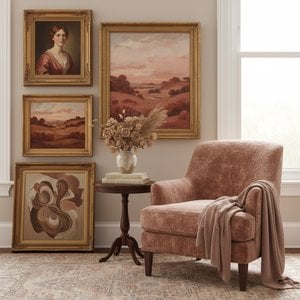
Explore 10 iconic paintings bathed in captivating rosy brown tones! From Rembrandt to Titian, discover the stories behind these masterpieces & their warm color palettes. Find museum-quality art reproductions and decor inspiration at .

Explore the life & art of Ford Madox Brown, a pivotal Pre-Raphaelite painter renowned for his powerful social commentary and masterpiece 'Work'. Discover his lasting influence on British art history.


 效果预览
效果预览
 分享
分享 分享
分享
 详情
详情

 下载
下载
 相似作品
相似作品 X射线
X射线 幻灯片播放
幻灯片播放 统计数据
统计数据


 展开详情
展开详情









 玻璃选项仅适用于110厘米以下的尺寸。


