
 TemperaWallArtArt Deco
 Modern
 65.0 x 53.0 cm
 Labirinto della Masone
博物馆级艺术微喷或帆布版画,制作高效,并提供多种饰面选择。 ( 订购此收藏品的纯手工复刻画作 切换至数字图像销售渠道)





























您可以从与原作比例一致的预设尺寸中进行选择。

请输入您所需的宽度和高度,以适配您的画框或墙面。由于印刷品只能进行裁剪,无法超出原图尺寸,因此若比例不一致,画面的一部分将会被裁切。在正式印刷之前,我们会为您发送一份数字效果图供您确认。本页面显示的图片并非最终裁剪后的效果——只有效果图才能展示真实的裁剪情况。
Little Slave
复刻品尺寸说明
In the pantheon of twentieth-century visual culture, few names evoke the shimmering allure of the Jazz Age quite like Erté. His masterpiece, Little Slave, serves as a breathtaking window into an era defined by unparalleled glamour and sophisticated design. The artwork presents a stylized, ethereal depiction of a woman caught in a moment of theatrical grace, embodying the very soul of the Art Deco movement. Through elongated forms and meticulous ornamentation, Erté invites the viewer into a world where fashion, movement, and geometry converge to create something truly transcendent. This piece is not merely an illustration; it is a rhythmic dance of lines that captures the pulse of a modernizing world.
The composition is masterfully centered around a singular female figure who commands the frame with an effortless, poised energy. Positioned slightly off-center to suggest a dynamic, mid-motion state, she holds a broom that cuts a diagonal path across the canvas, injecting a sense of kinetic vitality into the stillness. The background, rendered in a deep, solid darkness, acts as a velvet stage, pushing the subject forward and ensuring that every intricate detail of her attire is illuminated. This deliberate use of negative space creates a focused intimacy, making the viewer feel as though they are witnessing a private, fleeting moment of performance.
Technically, Little Slave is a triumph of tempera on canvas, showcasing Erté’s legendary precision. The artist utilizes strong, clean lines to define the silhouette of the figure, contrasting the fluid, organic curves of her pose with the more structured, geometric motifs found within her costume. There is a palpable sense of texture achieved through delicate brushwork; one can almost feel the weight of the patterned fabric and the soft, feathery touch of the broom. The color palette is a masterclass in restrained luxury, relying on a sophisticated harmony of creams, whites, browns, and subtle glints of gold to evoke an atmosphere of timeless opulence.
The lighting within the piece is soft and diffused, casting a gentle glow that smooths the transitions between form and shadow. This lack of harsh contrast contributes to the artwork's polished, almost dreamlike quality. By flattening the perspective—a hallmark of the Art Deco aesthetic—Erté emphasizes the decorative nature of the work, transforming the canvas into a luxurious tapestry of design. For the discerning collector or interior designer, this piece offers a sophisticated focal point that brings a sense of historical depth and rhythmic elegance to any curated space.
Beyond its aesthetic brilliance, Little Slave carries a profound emotional weight. The title introduces a compelling layer of complexity, inviting us to contemplate the juxtaposition between the subject's refined, aristocratic appearance and the symbolic implications of her role. The broom, an instrument of labor and service, stands in stark contrast to the lavishness of her costume, perhaps hinting at a narrative of hidden strength or the theatricality of social roles. This tension between elegance and toil creates a hauntingly beautiful melancholy that lingers in the mind long after the first viewing.
For those seeking to infuse their surroundings with inspiration, this reproduction offers more than just decoration; it offers an encounter with history. It is a piece that speaks to the enduring power of beauty and the intricate dance between grace and reality. Whether placed in a contemporary gallery setting or a classic study, Little Slave remains a captivating testament to Erté’s vision—a vision that continues to define the very meaning of modern luxury.
艾尔特 的《Little Slave》 被归类为 WallArt。该类别描述了原作的艺术形式。
艾尔特 的《Little Slave》 的 Portrait 格式推荐用于 Living Room。画幅与空间的结合,将为您提供复制品摆放的指引。
在艾尔特的艺术生涯中,"Little Slave"创作于Mature Period时期。这一阶段有助于将其与艺术家的其他作品进行比较。

罗曼·德·蒂尔福夫,世界熟知于艺人艾特雷(Erté),出生于俄罗斯圣彼得堡,1892年。他的家族历史悠久,追溯至鞑靼汗国,父亲在帝国俄海军中享有盛名。然而年轻的罗曼并非在海浪上书写命运,而是在艺术领域绽放光芒——一种他从小热爱并由母亲深深爱戴以及来自父亲图书馆异域风情的波斯米亚绘画影响孕育出的热情。这些精巧的设计将成为他后期作品中微妙却持久的美感来源,赋予它华丽的细节和风格化的优雅。
尽管父亲期望他继承海军事业,罗曼内心渴望艺术表达。这种冲突导致他采用笔名“艾特雷”(Erté),巧妙地改编了他的字母,法语发音充满活力,以保护他的家人免受潜在的失望,而追求他们可能不赞同的职业生涯。
据说在他五岁时,他就为母亲绘制了一件晚礼服,这件服装随后被惊叹的裁缝们赋予了生命。这种传奇故事象征着他对设计天赋的非凡表现;传说他八岁时,就为父亲创作了一幅肖像画,这幅画在圣彼得堡艺术界引起轰动。
罗曼于1910年离开俄罗斯前往巴黎,这是艺术和时尚的中心,开启了他充满活力的人生旅程。他最初从事绘画工作,但他的梦想远超简单的执行。一个关键时刻是他在巴黎艺术学院获得荣誉骑士称号时,艾特雷以其卓越的天赋震惊了整个艺术界。
艾特雷与法国著名设计师保罗·波伊耶合作,开启了他的职业生涯。这位“时尚之王”立即认识到艾特雷的非凡天赋,这为艾特雷设计服装和配饰提供了宝贵的经验,并将其推入巴黎高级时装的核心。
然而最重要的是他与《哈珀斯·巴扎尔》的合作。从1915年到1936年,他为杂志创作了超过240张封面插画——这是创造力和一致性的非凡成就。这些不仅仅是时尚照片;它们是精美的艺术作品,展现了长方形人物在风格化的背景中华丽的服装,体现了他对艺术装饰风格的独特视觉语言。
艾特雷的艺术天赋远超时尚领域。他是一位极具多样性的艺术家,为众多戏剧表演设计服装和舞台设计,这些表演在巴黎歌剧院和齐格菲德音乐剧院都取得了辉煌的成功。他的设计不仅仅是服装;它们是对角色进行转变的创造性作品,增强了每个表演的戏剧效果。
艾特雷还进入了好莱坞电影行业,接受了华纳兄弟公司的邀请。虽然他在好莱坞的职业生涯相对短暂,但它拓展了他的创作视野,并让他接触到新的观众群体。
艾特雷在艺术领域取得了辉煌的成就,为艺术装饰风格的发展贡献了力量,激发了一代又一代艺术家和设计师。他的设计影响了时尚潮流、室内设计美学和平面艺术,至今仍然激励着当代创意人士。
艾特雷的作品以其优雅、精致和永恒的美丽而闻名于世。他是一位真正的艺术大师,为艺术装饰风格的诞生奠定了基础,并为现代艺术的发展开辟了道路。

1892 - 1990 , 俄罗斯

Master the nuances of Giclée printing with our expert guide. Discover how pigment-based inks and museum-grade substrates create fade-resistant, high-fidelity art reproductions designed for discerning collectors seeking unparalleled quality and longevity.

Discover the breathtaking allure of Art Deco. Explore the era's iconic geometry, legendary designers like Erté, and timeless glamour. Perfect for discerning collectors seeking to infuse their spaces with sophisticated modernist elegance and historical prestige.
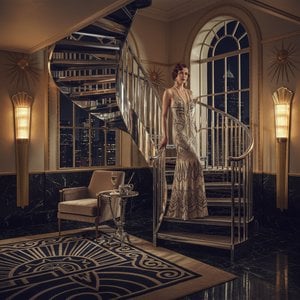
Discover the allure of Art Deco style with our expert guide to luxury interiors. Explore iconic influences from Erté to Jean Dunand and learn to curate a sophisticated space filled with timeless glamour and geometric elegance.
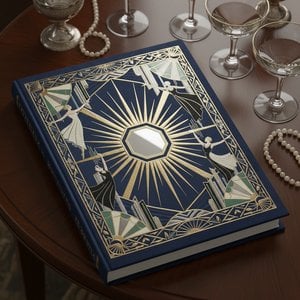
Discover the allure of Art Deco through a curated guide to its most iconic masterpieces. Explore the elegance of Erté and the innovation of Jean Dunand, perfect for collectors seeking timeless glamour and sophisticated design inspiration.

Discover the unparalleled elegance of Art Deco through the lens of Erté. Explore a masterclass in linear precision, theatrical costume design, and high-fashion illustration that continues to define modern luxury and sophisticated interior aesthetics.


 实景预览
实景预览
 发送
发送 分享
分享
 详情
详情 指南
指南

 下载图片
下载图片
 相似作品
相似作品 X射线
X射线 幻灯片播放
幻灯片播放 统计数据
统计数据 阅读全文
阅读全文









 玻璃选项仅适用于110厘米以下的尺寸。


