
博物馆级艺术微喷或帆布版画,制作高效,并提供多种饰面选择。 ( 购买手绘画作 切换至数字图像销售渠道)





























从与原作比例一致的预设尺寸中进行选择。

您可以输入自定义尺寸,以适配特定的画框或空间。如果您选择的尺寸与原图比例不符,我们将对作品进行裁剪,或通过镜像填充/纯色填充边缘的方式来扩展图像。在开始制作之前,我们会向您发送一份数字效果图供您确认。
请注意,屏幕上的预览并不能反映实际的裁剪或扩展效果。只有效果图才能准确展示最终的构图。
虽然我们提供定制尺寸,但为了保持原图比例,我们建议您从预设列表中选择尺寸。

Vier Badende
复制品尺寸
Ernst Ludwig Kirchner’s “Vier Badende” (Four Bathing Women), painted in 1910, is more than just a depiction of four women enjoying a lakeside moment; it’s a visceral expression of the anxieties and burgeoning modernity that defined early 20th-century Germany. This captivating work, now residing within the Von Der Heydt Museum in Wuppertal, exemplifies the core tenets of Expressionism – a movement Kirchner helped pioneer with his unflinching portrayal of human emotion and experience. The painting immediately arrests the viewer with its bold, almost jarring, color palette; vibrant blues, greens, and reds clash dynamically, reflecting not a serene natural scene but rather an intensely felt psychological state.
Kirchner’s mastery lies not in meticulous realism but in his ability to translate raw emotion onto canvas. “Vier Badende” is executed with thick, impasto brushstrokes – a technique that adds texture and physicality to the scene. The distorted forms of the women are deliberately exaggerated, reflecting Kirchner's desire to convey inner turmoil rather than simply represent external reality. The use of color isn’t about accurate representation; it’s about evoking feeling. The jarring juxtaposition of hues creates a sense of unease and psychological tension, mirroring the anxieties of the era.
Kirchner’s choice of oil on canvas allowed him to build up layers of paint, creating a rich surface that seems to pulsate with energy. This technique is particularly evident in the rendering of the women's skin, which appears almost sculpted – a deliberate departure from traditional academic approaches to figure painting.
"Vier Badende" was created during a period of immense social and political upheaval in Germany. The rise of industrialization, urbanization, and new philosophical ideas were challenging traditional values and creating a sense of disorientation. Kirchner’s art reflects this anxiety, capturing the feeling of alienation and displacement that many people experienced at the time. The painting can be interpreted as a commentary on the changing role of women in society – their increasing freedom alongside the anxieties surrounding sexuality and identity.
The scene itself—women bathing together—holds symbolic weight. It represents a fleeting moment of intimacy and connection, yet this is immediately undermined by the overall mood of isolation and tension within the painting. The figures are not united; they exist in their own separate worlds, reflecting the fragmented nature of modern life.
“Vier Badende” remains a powerful testament to Kirchner’s artistic vision and his profound understanding of the human condition. It is a key work within the Expressionist movement, demonstrating the movement's commitment to subjective experience over objective representation. Its enduring appeal lies in its ability to evoke a strong emotional response – a sense of unease, vulnerability, and perhaps even a glimmer of hope amidst the chaos of modern life. This painting offers a rare glimpse into the soul of an artist grappling with the complexities of his time, making it a truly significant addition to any collection or a compelling focal point for interior design.


1880 - 1938 , 德国

Explore the profound emotional depth of Expressionist painting. From the bold colors of Emil Nolde to the distorted forms of Kirchner, discover how this movement redefined art through raw feeling and visceral texture in our expert guide to art history.
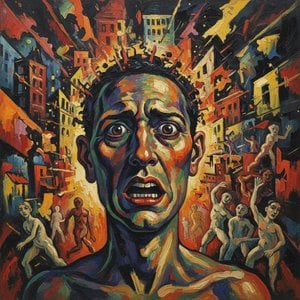
Explore the profound psychological depths of Expressionist art. From Schiele to Kirchner, discover how these masterpieces evoke raw emotion. Our expert curation offers museum-quality reproductions for the discerning collector seeking intensity and soul in their modern fine art collection.

Explore the raw emotion of German Expressionism through a definitive guide to Ernst Ludwig Kirchner. Discover how his bold colors and distorted forms redefined modern art history, from Berlin street scenes to iconic masterpieces.

Master the profound depths of Expressionism with our expert guide. Discover how pioneers like Munch and Kirchner used color and distortion to evoke raw emotion—essential knowledge for any discerning art collector seeking to curate intensity.

Delve into the visceral world of German Expressionism. Explore the history, key artists like Kirchner and Kandinsky, and the movement's profound emotional impact through an expert art-history lens. Discover how bold colors and distortion redefined modern aesthetics.


 效果预览
效果预览
 分享
分享 分享
分享
 详情
详情

 下载
下载
 相似作品
相似作品 X射线
X射线 幻灯片播放
幻灯片播放 统计数据
统计数据

 展开详情
展开详情









 玻璃选项仅适用于110厘米以下的尺寸。


