
博物馆级艺术微喷或帆布版画,制作高效,并提供多种饰面选择。 ( 购买手绘画作 切换至数字图像销售渠道)





























从与原作比例一致的预设尺寸中进行选择。

您可以输入自定义尺寸,以适配特定的画框或空间。如果您选择的尺寸与原图比例不符,我们将对作品进行裁剪,或通过镜像填充/纯色填充边缘的方式来扩展图像。在开始制作之前,我们会向您发送一份数字效果图供您确认。
请注意,屏幕上的预览并不能反映实际的裁剪或扩展效果。只有效果图才能准确展示最终的构图。
虽然我们提供定制尺寸,但为了保持原图比例,我们建议您从预设列表中选择尺寸。

Street Scene
复制品尺寸
To step into Ernst Ludwig Kirchner’s Street Scene is to abandon the quiet stability of the past and surrender to the electric, often jarring pulse of modern existence. Painted in 1913, this masterpiece serves as a cornerstone of German Expressionism, capturing the raw, psychological turbulence of a Berlin on the precipice of monumental change. Kirchner does not merely depict a sidewalk; he orchestrates a visual cacophony that mirrors the anxieties simmering beneath the surface of early 20th-century urban life. The composition eschews traditional perspective, opting instead for a compressed, claustrophobic space that amplifies a sense of disorientation and frantic movement. Figures cluster densely within the frame, their overlapping forms creating a rhythmic tension that pulls at the viewer’s soul, much like the restless energy of the city itself.
The technique employed in this work is nothing short of visceral. Utilizing what appears to be the expressive medium of pastels or crayons on paper, Kirchner applies color with a gestural immediacy that feels almost breathless. The palette is dominated by deep, brooding blues, greens, and blacks, yet these somber tones are punctuated by sudden, luminous splashes of yellow and orange. These vibrant accents do not merely decorate the scene; they vibrate against the darker hues, creating a surface that pulsates with life and agitation. The lines are bold, jagged, and deliberately unrefined, rejecting academic realism in favor of an emotional truth. Every stroke contributes to a textured, uneven surface that reflects the artist's rejection of polished perfection, favoring instead a raw, tactile reality.
Beyond its striking visual dynamism, Street Scene delves into profound psychological territories. The figures walking through this urban labyrinth—specifically the recurring motif of the prostitutes—are far more than mere subjects; they are embodiments of the alienation and pervasive unease that characterized the era. Their stylized poses and often vacant, haunting stares communicate a deep-seated melancholy, reflecting the fragmentation of identity in an increasingly industrial and impersonal world. Kirchner uses these figures to explore the darker side of human nature and the social upheaval of a Germany grappling with rapid progress. The men surrounding them, glancing furtively through the crowd, add to this sense of voyeurism and social tension, making the painting a complex commentary on the relationship between the individual and the masses.
For the discerning collector or interior designer, this artwork offers more than just aesthetic beauty; it provides a profound emotional anchor. A high-quality reproduction of this piece brings a sophisticated, avant-garde energy to any space, acting as a conversation piece that invites deep contemplation. Whether placed in a contemporary gallery setting or integrated into a curated residential collection, the painting’s ability to evoke both chaos and beauty makes it an enduring icon of art history. It is a work that does not simply sit upon a wall but actively engages with its surroundings, demanding attention through its masterful use of color, form, and historical weight.


1880 - 1938 , 德国
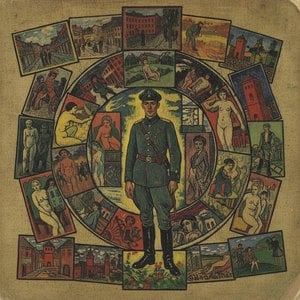
Immerse yourself in the raw emotion of German Expressionism. Explore 25 iconic masterpieces by Ernst Ludwig Kirchner, from bold street scenes to vibrant landscapes. Find inspiration for museum-quality art reproductions and decor. Discover all masterpieces on WahooArt.com.

Immerse yourself in the raw emotion of German Expressionism. Explore 10 iconic masterpieces by legends like Kirchner and Kandinsky. From bold colors to avant-garde techniques, find inspiration for your collection with museum-quality reproductions. Discover all masterpieces on WahooArt.com
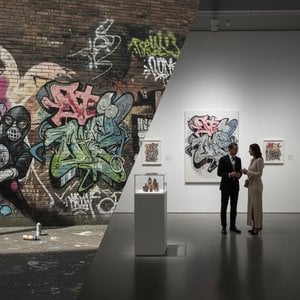
Explore the captivating journey of street art from urban walls to prestigious galleries. Discover how contemporary graffiti has evolved into a high-end collectible movement, redefining modern interior design and global art culture.

Explore the raw emotion of German Expressionism through a definitive guide to Ernst Ludwig Kirchner. Discover how his bold colors and distorted forms redefined modern art history, from Berlin street scenes to iconic masterpieces.


 效果预览
效果预览
 分享
分享 分享
分享
 详情
详情

 下载
下载
 相似作品
相似作品 X射线
X射线 幻灯片播放
幻灯片播放 统计数据
统计数据

 展开详情
展开详情









 玻璃选项仅适用于110厘米以下的尺寸。


