
博物馆级艺术微喷或帆布版画,制作高效,并提供多种饰面选择。 ( 购买手绘画作 切换至数字图像销售渠道)





























从与原作比例一致的预设尺寸中进行选择。

您可以输入自定义尺寸,以适配特定的画框或空间。如果您选择的尺寸与原图比例不符,我们将对作品进行裁剪,或通过镜像填充/纯色填充边缘的方式来扩展图像。在开始制作之前,我们会向您发送一份数字效果图供您确认。
请注意,屏幕上的预览并不能反映实际的裁剪或扩展效果。只有效果图才能准确展示最终的构图。
虽然我们提供定制尺寸,但为了保持原图比例,我们建议您从预设列表中选择尺寸。

Street, Berlin
复制品尺寸
Ernst Ludwig Kirchner's “Street, Berlin,” painted in 1913, isn’t merely a depiction of a city street; it’s a visceral plunge into the anxieties and alienation simmering beneath the surface of early 20th-century urban life. This work, now beautifully reproduced on hand-painted canvas by WahooArt.com, captures a moment suspended in time – a chaotic tableau of figures crammed onto a Berlin sidewalk, their faces obscured, their movements hurried, radiating an unsettling sense of urgency and isolation. Kirchner, a pivotal figure in the Expressionist movement, doesn’t aim for realistic representation; instead, he employs distortion, bold color, and jarring lines to convey a psychological state – a feeling of being overwhelmed by the relentless energy and anonymity of the metropolis.
The painting immediately assaults the senses. The palette is dominated by intense reds, blues, blacks, and purples, applied in broad, unblended strokes that create a raw, almost violent effect. These colors aren’t chosen for their beauty but for their ability to evoke unease and tension. Kirchner's masterful use of line further amplifies this feeling. Harsh, angular lines define the figures and their clothing, creating a sense of fragmentation and instability. There is little evidence of curves or flowing forms; instead, sharp angles dominate, mirroring the fractured nature of modern urban experience. The perspective is deliberately flattened, compressing space and contributing to a claustrophobic atmosphere – as if the viewer is being drawn into this swirling mass of humanity.
To understand “Street, Berlin,” it’s crucial to recognize Kirchner's place within the broader context of German Expressionism. Emerging in the early 20th century, this movement sought to express inner emotions rather than objective reality. Kirchner, along with fellow artists like Erich Heckel and Max Pechstein, rejected academic conventions and embraced a more subjective approach to art. His earlier work, influenced by Dürer’s meticulous detail and the vibrant colors of Matisse, gradually shifted towards a darker, more emotionally charged style. The painting reflects this evolution, drawing on elements of Fauvism while simultaneously forging its own distinct voice. Kirchner's personal life also played a significant role; his struggles with mental health and his experiences during World War I undoubtedly informed the work’s underlying sense of anxiety and disillusionment.
Interestingly, Kirchner’s exploration of urban alienation wasn’t entirely divorced from his surroundings. Berlin in 1913 was a city undergoing rapid transformation – a hub of industry, immigration, and social change. The painting captures this dynamism but also hints at the darker side of modernity: the loss of community, the erosion of individual identity, and the pervasive sense of isolation that can accompany urban life. The figures in “Street, Berlin” are not individuals; they’re anonymous cogs in a vast, impersonal machine.
While seemingly straightforward, "Street, Berlin" is rich with symbolic meaning. The obscured faces of the figures suggest anonymity and detachment – each individual lost within the crowd. The arrangement of the figures in a diagonal composition creates a sense of movement and instability, mirroring the chaotic nature of urban life. The use of contrasting colors further emphasizes this tension, as if the very air is thick with unspoken anxieties. Some scholars have interpreted the painting as a commentary on the changing role of women in society during this period, while others see it as a broader reflection on the alienation and fragmentation of modern humanity. Kirchner himself often resisted definitive interpretations, preferring to let the work speak for itself.
WahooArt.com is proud to offer meticulously hand-painted reproductions of “Street, Berlin,” capturing the essence of Kirchner's original vision with unparalleled detail and vibrancy. Unlike digital prints, our reproductions faithfully recreate the texture and brushstrokes of the oil on canvas, transporting you directly into the heart of this powerful work. Whether adorning your living room wall or serving as a striking addition to your art collection, a WahooArt.com reproduction of “Street, Berlin” is more than just a picture; it’s an immersive experience – a poignant reminder of the complexities and contradictions of modern life. Explore our range of sizes and framing options today and bring this iconic masterpiece into your space.


1880 - 1938 , 德国
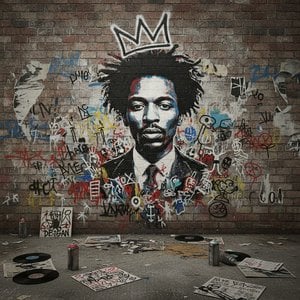
Explore the raw energy of Jean-Michel Basquiat and Neo-Expressionism. Discover how urban rebellion redefined modern art through a lens of luxury, identity, and profound emotional intensity for the discerning collector.
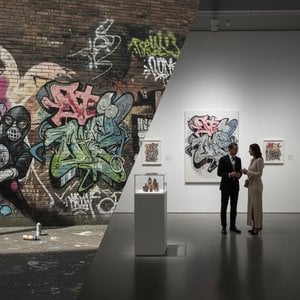
Explore the captivating journey of street art from urban walls to prestigious galleries. Discover how contemporary graffiti has evolved into a high-end collectible movement, redefining modern interior design and global art culture.

Elevate luxury hospitality interiors with the electric energy of street photography. Discover bespoke urban art commissions, from monochrome oil reproductions to large-scale murals, curated for designers seeking impactful architectural statements through expert consultation.

Explore the raw emotion of German Expressionism through a definitive guide to Ernst Ludwig Kirchner. Discover how his bold colors and distorted forms redefined modern art history, from Berlin street scenes to iconic masterpieces.


 效果预览
效果预览
 分享
分享 分享
分享
 详情
详情

 下载
下载
 相似作品
相似作品 X射线
X射线 幻灯片播放
幻灯片播放 统计数据
统计数据

 展开详情
展开详情









 玻璃选项仅适用于110厘米以下的尺寸。


