
由我们的艺术家按需定制,为您提供您所选尺寸及画框的布面手工油画。 ( 切换至版画销售渠道 切换至数字图像销售渠道)





























从与原作比例一致的预设尺寸中进行选择。

您可以输入自定义尺寸,以适配特定的画框或空间。如果所选尺寸与原图比例不符,我们将通过裁剪作品或添加手绘元素来扩展画面。数字样稿将在制作开始前发送给您确认。
请注意,屏幕预览无法准确反映实际的裁剪或扩展效果,只有样稿才能真实呈现最终的构图。
虽然我们提供定制尺寸服务,但为了保留原作比例,建议您从预设列表中选择尺寸。

Red houses
复制品尺寸
In the landscape of German Expressionism, few works capture the restless spirit of the early twentieth century as viscerally as Ernst Ludwig Kirchner’s “Red Houses.” Painted in 1913, this masterpiece serves as a profound psychological window into the soul of a pre-war Europe, vibrating with an energy that is both captivating and deeply unsettling. Rather than offering a tranquil pastoral scene, Kirchner presents a world where the boundaries between the external environment and internal turmoil dissolve. The canvas is a rhythmic arrangement of bold, saturated colors and jagged forms, inviting the viewer to step away from mere observation and into a state of pure emotional resonance.
The composition is masterfully structured through horizontal bands that guide the eye across a distorted reality. A deep, azure sky hangs heavy over a landscape defined by striking red rooftops and stylized foliage. Kirchner deliberately abandons traditional linear perspective, opting instead for a flattened, almost claustrophobic space. This lack of depth forces the viewer into an intimate confrontation with the subject matter; there is no escape from the intensity of the colors or the sharp, angular silhouettes of the trees and buildings. The result is a sense of movement that feels less like a stroll through a village and more like a fever dream of modern existence.
To behold “Red Houses” is to witness the raw power of the impasto technique. Kirchner does not merely apply paint; he sculpts it upon the canvas. The thick, tactile layers of oil create a surface that pulses with life, where every visible brushstroke serves as a testament to the artist's urgent hand. There is no attempt at smooth blending or academic refinement here. Instead, Kirchner utilizes bold blocks of color—searing reds, electric yellows, and deep greens—to build a visual language of tension. The sharp contrast between the warm, aggressive tones of the houses and the cool, receding blue of the sky creates a chromatic friction that mirrors the social upheavities of his era.
This stylistic approach is deeply rooted in the Die Brücke (The Bridge) movement, where the goal was to bridge the gap between tradition and the raw, unshielded truths of human experience. The simplified, geometric shapes of the houses and the skeletal trees are stripped of unnecessary detail, leaving behind only the essential emotional essence. For the collector or interior designer, this piece offers a commanding presence; its vibrant palette and structural dynamism make it an ideal focal point for spaces that demand character, depth, and a touch of avant-garde sophistication.
Beyond its striking aesthetic, “Red Houses” is a profound historical document. Created on the precipice of World War I, the painting captures the zeitgeist of a society undergoing rapid industrialization and profound psychological shifts. The intense reds can be interpreted as symbols of passion, but they also carry an undertone of danger and unrest, reflecting the simmering anxieties of Berlin’s burgeoning urban life. The isolation felt within the fragmented landscape speaks to the alienation often experienced in the modernizing world.
For those seeking to bring a piece of art history into their personal or professional environments, a high-quality reproduction of this work offers more than just decoration. It provides an opportunity to inhabit a moment of monumental artistic change. “Red Houses” remains a timeless exploration of how we perceive the world through the lens of our own emotions, making it a perennial favorite for those who appreciate art that speaks, screams, and endures.

1880 - 1938 , 德国
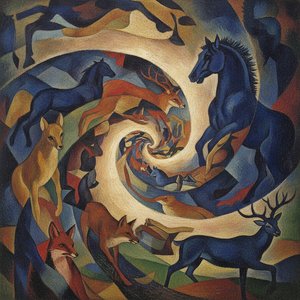
Immerse yourself in the vibrant world of German Expressionism with our curated guide to Franz Marc's top 25 masterpieces. Explore the spiritual energy and symbolic colors of The Blue Rider movement. Find museum-quality art reproductions for your decor. Discover all masterpieces on WahooArt.com

Immerse yourself in the raw emotion of German Expressionism. Explore 10 iconic masterpieces by legends like Kirchner and Kandinsky. From bold colors to avant-garde techniques, find inspiration for your collection with museum-quality reproductions. Discover all masterpieces on WahooArt.com

Explore the raw emotion of German Expressionism through a definitive guide to Ernst Ludwig Kirchner. Discover how his bold colors and distorted forms redefined modern art history, from Berlin street scenes to iconic masterpieces.
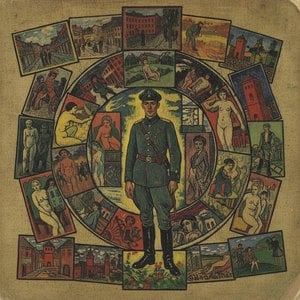
Immerse yourself in the raw emotion of German Expressionism. Explore 25 iconic masterpieces by Ernst Ludwig Kirchner, from bold street scenes to vibrant landscapes. Find inspiration for museum-quality art reproductions and decor. Discover all masterpieces on WahooArt.com.


 效果预览
效果预览
 分享
分享 分享
分享
 详情
详情 指南
指南

 下载
下载
 相似作品
相似作品 X射线
X射线 幻灯片播放
幻灯片播放 统计数据
统计数据

 展开详情
展开详情









 玻璃选项仅适用于110厘米以下的尺寸。


