
由我们的艺术家按需定制,为您提供您所选尺寸及画框的布面手工油画。 ( 切换至版画销售渠道 切换至数字图像销售渠道)





























从与原作比例一致的预设尺寸中进行选择。

您可以输入自定义尺寸,以适配特定的画框或空间。如果所选尺寸与原图比例不符,我们将通过裁剪作品或添加手绘元素来扩展画面。数字样稿将在制作开始前发送给您确认。
请注意,屏幕预览无法准确反映实际的裁剪或扩展效果,只有样稿才能真实呈现最终的构图。
虽然我们提供定制尺寸服务,但为了保留原作比例,建议您从预设列表中选择尺寸。

Four nudes under the trees
复制品尺寸
Ernst Ludwig Kirchner’s “Four Nudes Under The Trees” is far more than a mere depiction of figures amidst foliage; it is a profound, visceral embodiment of the anxieties simmering beneath the surface of pre-war Germany. Painted in 1912, during the formative and rebellious years of Die Brücke (The Bridge), this artwork stands as a cornerstone of the Expressionist movement. Kirchner, a founding member of this radical group, sought to reject the polished academic conventions of his time in favor of exploring raw, unadulterated emotion. In this piece, we encounter a scene that eschews idealized beauty, opting instead for an unflinching portrayal of human vulnerability set against a stylized, almost hallucinatory landscape.
The composition draws the viewer immediately into a central grouping of figures, creating an energy that feels spontaneous and rhythmic rather than carefully orchestrated. There is an intentional lack of spatial depth; the figures and the trees appear flattened onto a single plane, a technique that heightens the painting's two-dimensional, graphic quality. This flatness, combined with thick, angular lines that delineate both the human bodies and the elongated tree trunks, creates a sense of dynamic instability. For the collector or interior designer, this piece offers a striking focal point—a work that demands attention through its structural tension and commanding presence.
Kirchner’s mastery lies in his ability to use color not as a tool for realism, but as a vehicle for psychological impact. The palette is deliberately jarring and unapologetically bold. Dominant shades of yellow-orange define the skin tones, creating a warmth that feels almost feverish when juxtaposed against the deep, nocturnal blues of the abstracted trees. These colors are applied in distinct, unblended blocks, a technique that amplifies the painting's unsettling atmosphere and prevents the eye from resting too comfortably. This rejection of smooth gradations is a hallmark of the Expressionist aesthetic, where the texture of the paint itself contributes to the emotional weight of the work.
The shapes within the frame are simplified and often distorted, moving away from anatomical accuracy toward a more symbolic representation of the human form. The trees are rendered as elongated cylinders, contributing to a sense of a world that is both organic and strangely artificial. This stylistic choice creates a fascinating tension between the natural subject matter and the highly subjective, emotional interpretation of that nature. It is this very tension—the struggle between the serene setting and the turbulent execution—that makes the piece so captivating for those who appreciate art that challenges the status quo.
Beyond its striking visual elements, “Four Nudes Under The Trees” serves as a potent symbol of the human condition during an era of immense societal upheaval. The forest itself acts as a dual symbol: it represents a sanctuary of isolation, yet it also reflects the psychological strain and disillusionment felt throughout Europe in the lead-up to World War I. The figures, though clustered together, possess a sense of exposure and vulnerability, mirroring the collective uncertainty of a modernizing world. The artwork captures a moment where the quiet stability of the past was dissolving into the jagged, vibrant energy of a new, uncertain age.
For those seeking to incorporate a piece of art history into a curated space, this reproduction offers more than just aesthetic beauty; it offers an invitation to contemplate the complexities of emotion. Whether placed in a contemporary gallery setting or a sophisticated residential interior, Kirchner’s work provides a profound sense of depth and intellectual stimulation. It is a masterpiece that continues to vibrate with the restless energy of a soul navigating the fractures of modernity, making it an enduring choice for any serious lover of fine art.


1880 - 1938 , 德国

Immerse yourself in the warmth of history with our curated list of 10 iconic paintings dominated by vibrant orange tones. From Impressionist sunsets to golden masterpieces, explore the stories behind these timeless works and find museum-quality reproductions on WahooArt.com.

Immerse yourself in the raw emotion of German Expressionism. Explore 10 iconic masterpieces by legends like Kirchner and Kandinsky. From bold colors to avant-garde techniques, find inspiration for your collection with museum-quality reproductions. Discover all masterpieces on WahooArt.com
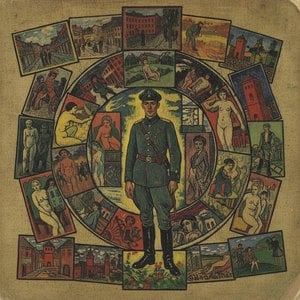
Immerse yourself in the raw emotion of German Expressionism. Explore 25 iconic masterpieces by Ernst Ludwig Kirchner, from bold street scenes to vibrant landscapes. Find inspiration for museum-quality art reproductions and decor. Discover all masterpieces on WahooArt.com.
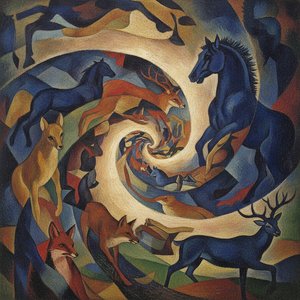
Immerse yourself in the vibrant world of German Expressionism with our curated guide to Franz Marc's top 25 masterpieces. Explore the spiritual energy and symbolic colors of The Blue Rider movement. Find museum-quality art reproductions for your decor. Discover all masterpieces on WahooArt.com


 效果预览
效果预览
 分享
分享 分享
分享
 详情
详情

 下载
下载
 相似作品
相似作品 X射线
X射线 幻灯片播放
幻灯片播放 统计数据
统计数据

 展开详情
展开详情









 玻璃选项仅适用于110厘米以下的尺寸。


