
 Romanticism
 61.0 x 66.0 cm
博物馆级艺术微喷或帆布版画,制作高效,并提供多种饰面选择。 ( 购买手绘画作 切换至数字图像销售渠道)
从与原作比例一致的预设尺寸中进行选择。

您可以输入自定义尺寸,以适配特定的画框或空间。如果您选择的尺寸与原图比例不符,我们将对作品进行裁剪,或通过镜像填充/纯色填充边缘的方式来扩展图像。在开始制作之前,我们会向您发送一份数字效果图供您确认。
请注意,屏幕上的预览并不能反映实际的裁剪或扩展效果。只有效果图才能准确展示最终的构图。
虽然我们提供定制尺寸,但为了保持原图比例,我们建议您从预设列表中选择尺寸。

Grazing Cattle
复制品尺寸

Born in Sèvres, France, in 1827, Charles Émile van Marcke de Lummen – later simply known as Émile van Marcke – emerged from a lineage steeped in artistic tradition. His grandfather, Charles van Marcke, was himself a Belgian artist specializing in porcelain painting, and his father, Jean-Baptiste, continued this legacy while also venturing into landscape and animal art. This familial connection to the visual arts provided Émile with an unparalleled foundation, immersing him in techniques and sensibilities from a young age. His early years were spent absorbing the atmosphere of Sèvres’ renowned porcelain factory, a place where he encountered the influence of Troyon, one of the most prominent figures of the Barbizon School, who profoundly shaped his artistic approach – specifically, the emphasis on direct observation of nature.
Van Marcke's artistic journey truly began in 1853 when he joined the ranks of the Sèvres factory. However, recognizing a deeper calling, he soon transitioned to independent painting, dedicating himself to capturing the serene beauty of the French countryside. He was particularly drawn to the Normandy region, where he found an abundance of idyllic pastures and contented livestock – subjects that would become the hallmark of his oeuvre. His work wasn’t merely a depiction of rural life; it was a deliberate attempt to evoke a sense of tranquility, harmony, and timelessness. This pursuit led him to purchase a farmhouse in Boutencourt, establishing a studio where he could immerse himself fully in his chosen subject matter.
Émile van Marcke’s artistic development is inextricably linked to the Barbizon School, a movement that championed direct observation of nature as paramount. Rejecting the polished finish and idealized forms favored by earlier academic painters, the Barbizon artists sought to capture the essence of the landscape with honesty and immediacy. Van Marcke wholeheartedly embraced this philosophy, spending countless hours outdoors studying light, color, and composition. His paintings are characterized by a remarkable ability to convey atmosphere – the shimmering heat haze over fields, the soft glow of dawn, the dramatic interplay of light and shadow. He skillfully employed loose brushstrokes and muted colors to create a sense of depth and realism, while simultaneously imbuing his scenes with an almost dreamlike quality.
The influence of Troyon is particularly evident in van Marcke’s early work. Like Troyon, he focused on capturing the textures of animal fur and the subtle nuances of light reflecting off water surfaces. However, Van Marcke developed a distinct style – one that prioritized the emotional resonance of his subjects over mere technical accuracy. His cattle paintings are not simply representations of livestock; they are imbued with a sense of dignity, contentment, and connection to the land.
Throughout his career, van Marcke produced a substantial body of work, many of which have been celebrated in prestigious museums across France and beyond. His paintings frequently found their way into the collections of prominent figures such as William T. Walters, John Taylor Johnston, Samuel P. Avery, and even the Vanderbilt family. These collectors recognized the unique beauty and emotional depth of his art. Key works include “The Approach of a Storm (Troupeau de Vaches Passant un Gué),” a captivating depiction of cattle crossing a stream under an impending storm; "Early Morning," showcasing a peaceful scene of cows grazing in a sun-drenched valley; and “Grazing Cattle,” which exemplifies his mastery of capturing the essence of rural life. These paintings, along with others, are testaments to his skill and vision.
Émile van Marcke de Lummen died in Hyeres in 1890, leaving behind a legacy as one of France’s most beloved cattle painters. His work represents a pivotal moment in the transition from academic painting to a more modern approach, emphasizing direct observation and emotional expression. He is considered a key figure within the Barbizon School, contributing significantly to its development and influence. His paintings continue to resonate with viewers today, offering a glimpse into a bygone era of rural tranquility and artistic integrity. His art remains exhibited in museums such as The Art Institute of Chicago, The Walters Art Museum, and the Metropolitan Museum of Art, ensuring that his pastoral visions will endure for generations to come.

1827 - 1890

Explore the profound beauty of village scene art. From Impressionist light to pastoral realism, discover how timeless landscapes capture nostalgia through expert artistry and historical depth. Perfect for collectors seeking evocative, museum-quality landscape inspirations.

Discover the enchanting world of 19th-century scene paintings. Explore the technical mastery, romanticism, and timeless elegance of classical landscapes through an expert art history lens, perfect for collectors seeking sophisticated beauty and historical depth.

Embark on a visual journey through history's most iconic landscapes. Discover the mastery of Impressionism and the sublime power of nature through our expert guide to classical landscape art, curated for the discerning collector and fine art enthusiast.

Discover the profound serenity of timeless pastoral landscapes. From Impressionist masterpieces to bespoke oil commissions, explore how curated fine art brings the enduring beauty and tranquility of nature into your luxury home interior.
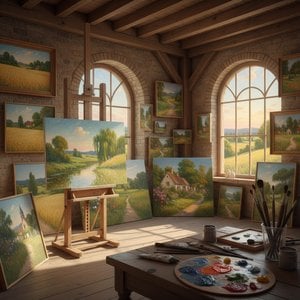
Discover the profound tranquility of rural art through an expert exploration of Impressionist landscapes. From pastoral scenes to textured oil masterpieces, learn how timeless nature-inspired artworks bring enduring elegance and serenity to sophisticated collectors.


 效果预览
效果预览
 分享
分享 分享
分享
 详情
详情 指南
指南

 下载
下载
 相似作品
相似作品 X射线
X射线 幻灯片播放
幻灯片播放 统计数据
统计数据 展开详情
展开详情






































 玻璃选项仅适用于110厘米以下的尺寸。


