
购买高分辨率增强版数字图像,其品质远超在线预览。
每一份文件都由我们的内部专家使用先进工具与专业的后期润色技术精心打造。我们确保每一张图像都具备卓越的清晰度、精准的色彩还原度以及细腻的细节表现。
最终文件将在 72 小时内通过电子邮件交付,并针对专业、编辑及印刷用途进行了优化。其品质与顶级设计工作室、出版社和画廊所信赖的标准完全一致。
选择 WahooArt.com,您获得的不仅仅是一张图像——您收到的是经过专业级增强、精雕细琢的数字艺术作品,并享有满意保证。以下是您的订单中自动包含的所有内容:

您的高分辨率数字图像文件将在下单后 72 小时内通过电子邮件发送给您 —— 即可立即使用。

您的艺术品经过专业优化,结合先进的 AI 技术与人工修饰,确保呈现极致的细节、清晰度与色彩准确度。

不小心删除了文件或找不到了?没关系——我们将随时为您免费重发。

即刻拥有您的艺术作品,无需支付任何关税、税费或运费——数字下载始终免税。

我们通过专业工具与色彩管理技术,确保您的数字图像尽可能真实地还原原作色彩。

如果您对所购数字图像不满意,我们将在100天内为您进行修改或提供100%的全额退款——无需任何理由。

不满意?在收到数字文件后的100天内,您可以申请全额退款——无需任何理由。

购买 3 张图片可享 10% 折扣 - 购买 5 张可享 15% 折扣 - 购买 10+ 张可享 20% 折扣。非常适合创意项目、画廊和机构使用。

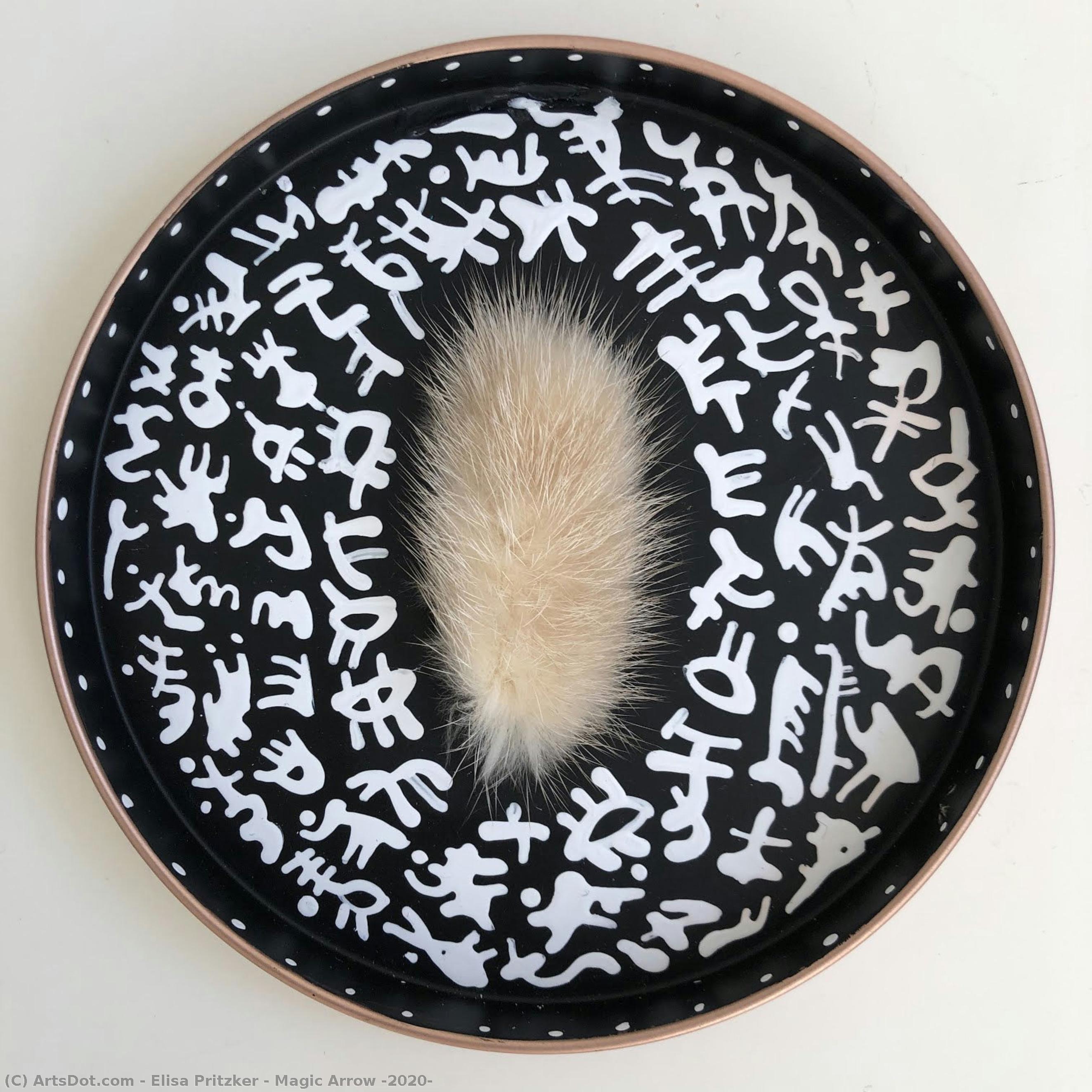
Born in Buenos Aires, Argentina, in 1955, Elisa Pritzker’s artistic journey is a deeply personal exploration interwoven with threads of cultural memory, ecological awareness, and a persistent questioning of humanity's relationship to both the natural world and its own history. From her early training in ceramics and visual arts – nurtured within a family steeped in creative expression – she embarked on a path marked by experimentation, displacement, and ultimately, a profound commitment to translating complex ideas into tangible, often immersive, artworks. Her relocation to Ulster County, New York, in the 1990s provided fertile ground for her evolving practice, establishing Casa del Arte as both a studio and a vital hub for artistic exchange within the Hudson Valley.
Pritzker’s formative years in Argentina instilled in her a sensitivity to the rhythms of nature and a deep respect for indigenous cultures. The legacy of the Selknam people – a nomadic tribe brutally decimated by European colonization in Patagonia – became a central preoccupation, informing a series of ambitious projects that extend far beyond mere representation. This wasn't simply an act of remembering; it was a deliberate attempt to honor a silenced history and confront the enduring consequences of cultural violence. The “Selknam Project,” initiated in 2010 and subsequently developed through numerous iterations, is arguably the cornerstone of her oeuvre, manifesting as intricate installations that combine found objects, painted surfaces, and symbolic gestures – a poignant dialogue between past trauma and contemporary consciousness.
Pritzker’s artistic language is characterized by a remarkable versatility in the selection and manipulation of materials. Initially drawn to ceramics, she quickly expanded her repertoire to encompass a vast array of mediums – from recycled CDs and animal bones to textiles, wood, and found objects. The recurring motif of the zipper, explored most notably in the “Zipper” series, serves as a potent metaphor for both connection and separation, revealing and concealing, opening and closing pathways between disparate elements. This fascination with the mechanics of closure reflects a broader concern with the ways in which we construct boundaries – personal, social, and ecological – and the inherent tension between containment and expansion.
Her work frequently incorporates elements of assemblage, creating layered compositions that invite prolonged contemplation. The “Trunks” project, for instance, juxtaposes men’s underwear or trouser torsos with the rough bark of trees, prompting viewers to consider the unexpected connections between the mundane and the monumental, the human and the natural. Similarly, her exploration of animal bones – culminating in the “Antlers.Jaws.Skin” installation – engages with themes of mortality, transformation, and the interconnectedness of all living beings.
The "Buddha Project," conceived during her time at the Van Brunt Gallery in Beacon, New York, represents a pivotal moment in Pritzker’s artistic development. This immersive installation wasn't merely a sculptural statement; it was a carefully orchestrated ritual designed to facilitate introspection and connection with the inner self. The deliberate destruction of a mandala – a complex geometric pattern traditionally created during Buddhist ceremonies – symbolized the cyclical nature of existence, reminding viewers that all things are transient and subject to change.
The installation’s elements—meditation cushions, white sand, incense cones, and evocative imagery—were carefully chosen to create an atmosphere conducive to contemplation. The subsequent painting over the central image of Buddha, a deliberate act of erasure, underscored the Buddhist principle of *anicca* – impermanence – suggesting that true understanding arises not from clinging to fixed ideas but from embracing the fluidity of experience.
Elisa Pritzker’s work has garnered significant recognition within the international art community, with exhibitions held at prestigious venues such as MoMA, Queens Museum, Dorsky Museum, and numerous galleries across Europe and North America. Her contributions have been acknowledged through awards including two U.S. Congressional Awards for Community Arts and Culture and the Ulster County Executive Hispanic Heritage Award. Beyond her individual achievements, Pritzker has played a vital role in fostering artistic exchange within the Hudson Valley, establishing the Highland Cultural Center/HCC-Arts with her husband Enrique Rob Lunski – a testament to her commitment to nurturing creativity and building community.
Her ongoing exploration of indigenous cultures, ecological themes, and the complexities of human experience positions Elisa Pritzker as a significant voice in contemporary art. Her work invites viewers to engage in critical reflection on our place within the world, prompting us to confront uncomfortable truths and embrace the transformative power of artistic expression.

1955 - , Argentina

 效果预览
效果预览
 切换至版画销售渠道
 分享
分享 分享
分享
 详情
详情

 下载
下载
 相似作品
相似作品 X射线
X射线 幻灯片播放
幻灯片播放 统计数据
统计数据
 展开详情
展开详情


