免费艺术咨询

x
定制手绘复刻品 定制手绘复刻品购买高清图片 购买高清图片 分享分享
详情详情 加入收藏 加入收藏 下载下载 相似作品相似作品 X射线检测X射线检测 幻灯片播放幻灯片播放

Wendingen

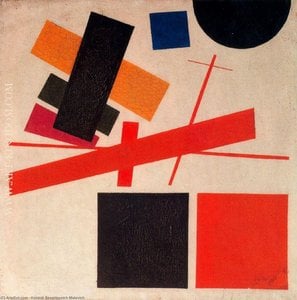
Explore El Lissitzky's 'Wendingen' (1921), a striking geometric abstraction blending Cubism & Constructivism. Featuring bold shapes, red accents, and stylized lettering.

埃尔·利西茨基(1890-1941)是俄国先锋艺术家,代表作有“普鲁恩”系列和《设计师》。他融合了构成主义与至上主义,开创了抽象艺术的新纪元,对包豪斯等运动产生深远影响,以其创新性的平面设计、展览设计和摄影蒙太奇而闻名。

艺术微喷/版画

博物馆级艺术微喷或帆布版画,制作高效,并提供多种饰面选择。

Standard
custom
CM
INCH

从与原作比例一致的预设尺寸中进行选择。

宽度
高度

您可以输入自定义尺寸,以适配特定的画框或空间。如果您选择的尺寸与原图比例不符,我们将对作品进行裁剪,或通过镜像填充/纯色填充边缘的方式来扩展图像。在开始制作之前,我们会向您发送一份数字效果图供您确认。
请注意,屏幕上的预览并不能反映实际的裁剪或扩展效果。只有效果图才能准确展示最终的构图。
虽然我们提供定制尺寸,但为了保持原图比例,我们建议您从预设列表中选择尺寸。

全球配送(),仅需 2 周即可送达,无需等待标准流程的 4/5 周。(3 July)

why_choose_icon
全球免费特快专递服务
why_choose_icon
优质亚麻画布
why_choose_icon
全程运输保险
why_choose_icon
关税退款保证
why_choose_icon
色彩还原度保证
why_choose_icon
60天退货政策(仅限制造缺陷)
why_choose_icon
100%退款保证
why_choose_icon
多件购买优惠

总计金额

-

reproduction

Wendingen

艺术微喷/版画

复制品尺寸

-

最终总价

-

作品概览

  • Influences: Bauhaus
  • Movement:
    • Cubism
    • Constructivism
  • Subject or theme: Exploration of form and structure
  • Artist: El Lissitzky
  • Title: Wendingen
  • Notable elements or techniques:
    • Sharp angles
    • Flat planes
    • Intersecting lines
    • Right angles

艺术知识测试

每道题只有一个正确答案。

题目 1:
What artistic movements significantly influenced El Lissitzky’s ‘Wendingen’?
题目 2:
The artwork prominently features a neutral background color. Which color is it primarily?
题目 3:
What does the lettering ‘WENDINGEN’ integrated into the composition signify?
题目 4:
What is the primary technique used in creating the shapes and lines within ‘Wendingen’?
题目 5:
In what year was 'Wendingen' created?

藏品详情

El Lissitzky's "Wendingen": A Geometric Symphony of Form and Space

  • Overview: El Lissitzky’s “Wendingen,” created in 1921, is a striking example of early abstract art, deeply rooted in the Constructivist and Suprematist movements. This artwork isn't merely a painting but a cover design for the Dutch magazine "Wendingen," dedicated to modern architecture and design. It embodies Lissitzky’s vision of “Proun,” a concept aiming to synthesize architecture, engineering, and art into a dynamic visual language.

Subject Matter & Style: A Dialogue Between Geometry and Dynamism

  • Abstract Composition: The artwork eschews representational imagery, instead presenting a purely abstract composition of geometric forms. Sharp angles, intersecting lines, and flat planes dominate the canvas, creating a sense of structured dynamism. Rectangles, circles, and diagonal lines interact to generate spatial tension and visual pathways.
  • Constructivist & Suprematist Influences: "Wendingen" clearly reflects the principles of Constructivism, emphasizing functional design and geometric abstraction. It also draws from Suprematism, Malevich’s movement focused on pure artistic feeling through basic geometric forms. Lissitzky's unique approach integrates these influences, creating a style that is both rigorously structured and emotionally resonant.
  • The "Wendingen" Magazine Context: The piece was designed as a cover for a magazine dedicated to modern architecture. This context highlights the artwork’s purpose: not just aesthetic beauty but also communication and visual impact within a design-focused publication. The stylized lettering of “WENDINGEN” integrated into the composition further emphasizes this functional aspect.

Technique & Materials: Precision and Clarity

  • Lithography on Paper: Lissitzky employed lithography, a printing technique that allows for precise lines and tonal variations. This method was ideal for reproducing the artwork’s sharp geometric forms and limited color palette.
  • Color Palette & Texture: The color scheme is deliberately restrained, featuring strong contrasts between red, gray, black, and beige against a neutral background. This simplicity enhances the clarity of the geometric shapes and prevents visual clutter. The texture appears smooth and flat, characteristic of a printed surface.

Historical Context & Symbolism: A Vision for a New Era

  • Post-War Reconstruction: Created in 1921, "Wendingen" emerged from the aftermath of World War I and the Russian Revolution. It reflects the era’s desire for radical change and innovation across all fields – art, architecture, and society.
  • Proun Concept: Lissitzky's “Proun” concept aimed to transcend traditional artistic boundaries by uniting art, technology, and architecture. "Wendingen" serves as a visual manifestation of this ambition, suggesting a harmonious integration of these disciplines.
  • Symbolic Interpretation: The artwork’s geometric forms can be interpreted as symbols of progress, order, and the potential for a new, rational world. The dynamic arrangement of shapes suggests movement and energy, reflecting the optimism and forward-looking spirit of the early 20th century.

Emotional Impact & Legacy: A Timeless Expression of Modernity

  • Visual Harmony: Despite its abstract nature, "Wendingen" evokes a sense of visual harmony and balance. The carefully arranged geometric forms create a pleasing composition that is both intellectually stimulating and aesthetically satisfying.
  • Influence on Design: Lissitzky’s work has had a lasting impact on graphic design, typography, and architectural aesthetics. "Wendingen" remains an iconic example of early modernism, inspiring generations of artists and designers.

相似艺术品


艺术家简介

革命的远见:艾尔·利西茨基的一生与艺术

艾尔·利西茨基,原名拉扎尔·马科维奇·利西茨基(Lazar Markovich Lissitzky),1890 年出生于俄罗斯小镇波钦诺克,是 20 世纪初俄罗斯前卫艺术领域的一位关键人物。他的旅程充满着不断地自我革新,始终坚信艺术的力量能够塑造社会并反映现代世界的活力。最初在建筑和工程学方面接受过训练——这些职业受到对犹太学生限制的影响——利西茨基的道路转向了艺术表达,最初是通过浸染于犹太民间传说的插图。他早期的作品,如他对《哈德·加迪亚》(Chad Gadya)的封面设计,展现了他与生俱来的天赋,已经开始探索叙事和视觉故事讲述,暗示着将持续影响他的美学的深刻文化根源。随后迁往柏林和达姆施塔特拓宽了他的视野,但当他回到俄罗斯时,利西茨基真正找到了自己的艺术声音,并与席卷全国的革命热潮紧密相连。

从抽象到普朗:形式与空间的探索

一个重要的转折点是与卡济米尔·马列维奇相遇以及对至上主义(Suprematism)的拥抱。这场激进的运动致力于纯粹的几何抽象,深深地引起了利西茨基超越再现艺术并触及通用视觉语言的愿望。他成为位于维特布斯克建立的至上主义团体“UNOVIS”的关键成员,积极通过教学和艺术创作传播其原则。然而,利西茨基并没有简单地复制马列维奇的风格;他开辟了自己的独特道路,发展了《普朗》(Proun)。这个独特的系列诞生于至上主义与构成主义融合的结果,探索了空间关系和几何形式在动态构图中,这些构图常常类似于建筑蓝图或爆炸式图解。普朗不仅仅是绘画;它是对空间的结构的调查,是对未来建筑可能性的预示。这些作品具有漂浮的平面和相交的线条,体现了利西茨基对艺术作为能够构建新现实的力量的信念。他工程背景的影响显而易见,为抽象形式赋予了结构逻辑。

艺术与宣传:社会评论

利西茨基的艺术愿景远远超出了画布。他热切地认为艺术应该服务于社会目的,积极参与政治意识形态,并寻求将设计融入日常生活的方式。这种信念促使他深深参与苏联宣传工作,创作了强大的海报和平面设计,旨在动员公众支持布尔什维克政权。他 1941 年呼吁建造坦克的海报是对此承诺的证明——一张简洁、有力且具有影响力的图像,反映了战争紧迫性。除了宣传之外,利西茨基彻底改变了排版设计、展览设计和照片拼贴技术。他认识到有效的沟通需要创新的视觉策略,并且他不遗余力地尝试新技术来传达他的信息。《施工者》(The Constructor)等照片拼贴作品尤其引人注目——将摄影与几何抽象相结合的自画像,对身份以及艺术家在社会中的作用进行了复杂的评论。

文化大使:传播构成主义理念

利西茨基的影响超越了国界。他成为了苏联艺术的关键文化大使,向整个欧洲传播构成主义思想,特别是在德国。他的创新展览设计挑战了传统的画廊空间,创造了沉浸式环境,积极地吸引观众。这些展览不仅仅是艺术品展示;它们是精心构建的体验,旨在激发思考和行动。《包豪斯》(Bauhaus)和《德·施图尔》(De Stijl)运动深受他的影响,几何抽象、功能主义和社会责任感等强调对几代艺术家和设计师产生了影响。他与库尔特·舒维特斯(Kurt Schwitters)和西奥·凡·多斯堡(Theo van Doesburg)等人物合作,促进了跨文化交流,丰富了时代的艺术景观。

遗产与持久的影响

艾尔·利西茨基的生命在 1941 年莫斯科被悲惨地缩短,但他对世界的贡献至今仍在回响。他弥合了艺术与建筑、抽象与社会目的之间的鸿沟,留下了既具有智力刺激性又极具视觉吸引力的作品集。2014 年利西茨基基金会的成立强调了对保护他的艺术遗产的持续承诺,并准备了一本全面的创作目录。他对排版设计、展览设计和照片拼贴技术的创新继续激励着当代艺术家和设计师,而他坚定地相信艺术作为社会变革力量的力量仍然具有深刻的相关性。
  • 他的作品被众多国际收藏机构收藏
  • 展示他作品的博物馆包括塔甘罗格美术馆和诺沃库兹涅茨克美术馆。
艾尔·利西茨基不仅仅是一位艺术家;他还是一个敢于想象新世界并使他的艺术继续塑造我们对视觉沟通及其变革潜力的理解的远见者。
埃尔·利西茨基

埃尔·利西茨基

1890 - 1941 , 俄罗斯

艺术家简介

  • 全名: 埃尔·利西茨基 (El Lissitzky)
  • 出生地点: 波奇纳克,俄罗斯
  • 出生日期: 1890年11月23日
  • 受影响的艺术家或流派:
    • 包豪斯
    • 风格主义
  • 国籍: 俄罗斯
  • 影响艺术家: ['卡济米尔·马列维奇']
  • 艺术流派:
    • 至上主义
    • 构成主义
    • 普朗
  • 著名作品:
    • 《设计师》
    • 《哈德·加达亚封面》
    • 《普朗系列》
探索按主题、风格和特征分类的艺术作品。