
由我们的艺术家按需定制,为您提供您所选尺寸及画框的布面手工油画。 ( 切换至版画销售渠道 切换至数字图像销售渠道)





























从与原作比例一致的预设尺寸中进行选择。

您可以输入自定义尺寸,以适配特定的画框或空间。如果所选尺寸与原图比例不符,我们将通过裁剪作品或添加手绘元素来扩展画面。数字样稿将在制作开始前发送给您确认。
请注意,屏幕预览无法准确反映实际的裁剪或扩展效果,只有样稿才能真实呈现最终的构图。
虽然我们提供定制尺寸服务,但为了保留原作比例,建议您从预设列表中选择尺寸。

The Annunciation (detail)
复制品尺寸
Doménikos Theotokópoulos, universally known as El Greco (meaning “the Greek”), stands as one of the most singular figures in the history of Western art. His dramatic and intensely emotional works bridged the gap between the Renaissance and the Baroque periods, while simultaneously forging a distinctly personal style—a style that continues to fascinate scholars and artists alike.
The Annunciation, painted by El Greco in 1597, resides at the Museo Thyssen-Bornemisza in Madrid, Spain. This monumental canvas offers an unparalleled glimpse into the artist’s mastery of Byzantine influences blended with innovative Venetian techniques—a testament to his transformative journey through Europe.
At its core, the painting depicts a pivotal biblical scene: the visitation of the Archangel Gabriel to Mary, announcing her divine conception. El Greco meticulously arranges figures within a shallow courtyard setting bathed in diffused light—a characteristic feature of his Venetian period. The angel on the left side holds a book, symbolizing divine knowledge and scripture, while gazing upwards towards Mary. Simultaneously, he gestures with his right hand, conveying reassurance and blessing.
Mary kneels reverently before Gabriel, her gaze fixed upward in contemplation—a gesture laden with spiritual significance. Her posture embodies humility and acceptance of God’s will. The angel’s robe is adorned with intricate drapery folds that contribute to the painting's ethereal atmosphere. Notably, a flaming rose bush sits beneath Mary’s lectern, representing her virginity and symbolizing divine grace.
El Greco’s artistic style underwent considerable evolution throughout his career, profoundly shaped by his formative years in Crete and subsequent explorations of Venice and Toledo. His early works demonstrate a pronounced adherence to Byzantine conventions—precise detail, hierarchical composition, and vibrant color palettes—reflecting the traditions of his homeland.
However, El Greco’s Venetian period witnessed a decisive shift toward Mannerism, characterized by elongated figures, stylized poses, and exaggerated expressions. He skillfully incorporated elements from Titian and Tintoretto's oeuvre, adopting their masterful use of chiaroscuro—the dramatic interplay between light and shadow—to heighten emotional impact.
The Annunciation exemplifies El Greco’s Venetian style, showcasing his ability to synthesize disparate influences into a cohesive visual language. The elongated figures are rendered with remarkable fluidity and dynamism, conveying an inner turmoil that transcends mere representation.
Painted during the Counter Reformation—a period marked by religious fervor and artistic conservatism—The Annunciation stands as one of El Greco’s “most pleasing” early works. Its composition enhances the painting's otherworldly quality, capturing a moment of profound spiritual revelation.
Acquired by Baron Hans Heinrich Thyssen-Bornemisza in 1975 and subsequently housed at Museo Nacional Thyssen-Bornemisza, The Annunciation continues to inspire admiration for its artistic innovation and emotional depth. Scholars recognize El Greco as a precursor of Expressionism and Cubism—artists who would later revolutionize the visual arts.
Furthermore, numerous paintings on this subject were recorded in El Greco’s inventories drawn up upon his death in 1614 and during the marriage celebration of his son Jorge Manuel—providing invaluable insight into the artist's artistic legacy. The painting’s enduring appeal lies in its ability to convey a timeless message of faith and divine grace.
El Greco’s Annunciation remains an unparalleled masterpiece—a testament to his singular vision and unwavering commitment to artistic excellence. Its significance transcends mere stylistic innovation; it embodies the artist's profound engagement with spiritual themes, cementing its place as a cornerstone of Western art history.

1541 - 1614 , 希腊

深入探索巴洛克艺术的辉煌历史、独特风格与持久影响。了解卡拉瓦乔、贝尼尼等大师的作品,洞悉反宗教改革运动下的艺术变革。WahooArt.com为您提供专业的艺术解读与高清画作欣赏。

探索埃尔·格列柯25幅杰作,领略这位西班牙画家巴洛克风格的宗教绘画魅力。从《圣塞巴斯蒂安》到《沉思者》,感受信仰与艺术的交融。WahooArt.com提供高品质油画复制品,为您的家居装饰增添经典之美!探索完整系列作品。
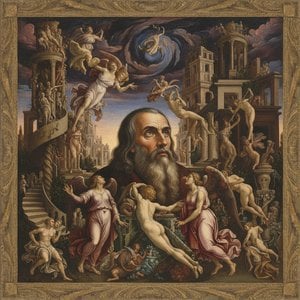
Explore the dramatic transition from High Renaissance harmony to Mannerist tension. Discover how masters like El Greco redefined art through distortion and spiritual intensity. An expert guide for art enthusiasts seeking deep historical context and museum-quality inspiration.

探索巴洛克艺术的辉煌!本文精选十部巨作,带您领略卡拉瓦乔、伦勃朗等大师的光影魔法与戏剧张力。从黄金时代到宗教绘画,感受奢华与精致。WahooArt.com为您提供博物馆品质的艺术复制品和家居装饰灵感。尽在WahooArt.com!

Explore the captivating world of El Greco! Discover his unique style, spiritual intensity, and lasting impact on art history. Learn about this Renaissance master's life, iconic paintings & legacy.


 效果预览
效果预览
 分享
分享 分享
分享
 详情
详情 指南
指南

 下载
下载
 相似作品
相似作品 X射线
X射线 幻灯片播放
幻灯片播放 统计数据
统计数据


 展开详情
展开详情









 玻璃选项仅适用于110厘米以下的尺寸。


