

博物馆级艺术微喷或帆布版画,制作高效,并提供多种饰面选择。 ( 订购纯手工绘制画作 切换至数字图像销售渠道)





























您可以从与原作比例一致的预设尺寸中进行选择。

请输入您所需的宽度和高度,以适配您的画框或墙面。由于印刷品只能进行裁剪,无法超出原图尺寸,因此若比例不一致,画面的一部分将会被裁切。在正式印刷之前,我们会为您发送一份数字效果图供您确认。本页面显示的图片并非最终裁剪后的效果——只有效果图才能展示真实的裁剪情况。
Saint Bernardino
复刻品尺寸
El Greco's "Saint Bernardino," painted in 1603, is not merely a depiction of a religious figure; it’s an immersion into the profound spirituality and turbulent emotional landscape that defined the artist’s life. This intimate portrait captures a moment of quiet contemplation, revealing a man wrestling with faith, perhaps even suffering, beneath a cloak of monastic humility. The subject, Saint Bernardino of Siena – famed for his zealous preaching and miraculous healing – is rendered not as an idealized saint but as a deeply human individual, marked by the weight of experience etched onto his face and reflected in his gaze.
The painting’s power resides largely in El Greco's masterful manipulation of color and form. The rich browns of Bernardino’s robe contrast dramatically with the luminous white of the flower he holds – a potent symbol of purity, innocence, and divine grace. Notice how El Greco employs a technique known as *tenebrism*, utilizing strong contrasts between light and shadow to draw the viewer's eye directly to the figure, amplifying his solemnity. The background, deliberately muted and indistinct, serves not as a distraction but as a subtle reinforcement of the saint’s inner world, suggesting a landscape both earthly and spiritual.
Born Doménikos Theotokópoulos in Crete in 1541, El Greco's artistic development was shaped by a complex interplay of influences. His early training within the Byzantine tradition instilled a rigorous attention to detail and an understanding of religious iconography – hallmarks that would remain throughout his career. However, he quickly transcended these foundations, forging a style uniquely his own. His relocation to Venice and then Rome exposed him to the burgeoning Renaissance ideals, yet he resisted assimilation, retaining a distinctly personal vision. It was in Toledo, Spain, a city steeped in religious fervor and marked by a vibrant multiculturalism, that El Greco truly blossomed, creating works of unparalleled intensity and emotional resonance.
The year 1603, the date of “Saint Bernardino,” represents a pivotal moment in El Greco’s artistic trajectory. He was increasingly recognized as a master, yet he continued to push boundaries, experimenting with scale, color, and composition. This painting exemplifies his willingness to depart from conventional portraiture, prioritizing psychological depth and spiritual significance over realistic representation.
Beyond the obvious symbolism of the flower – representing divine grace and humility – several other elements contribute to the painting’s layered meaning. The hillside upon which Bernardino stands is often interpreted as a metaphor for the human condition, suggesting a precarious balance between earthly desires and spiritual aspirations. The building in the background, partially obscured, could represent the monastery where he spent his life, or perhaps even a symbolic representation of heaven.
Crucially, consider the expression on Bernardino’s face. It is not one of serene piety but rather a subtle blend of sorrow and contemplation. Many scholars believe that Saint Bernardino suffered from a debilitating illness throughout his life, which may have informed El Greco's portrayal – suggesting that faith and suffering are inextricably linked. The slight furrow in his brow, the downward tilt of his mouth, all speak to an inner struggle, making this portrait profoundly moving.
"Saint Bernardino" is a work that continues to resonate with viewers centuries after its creation. WahooArt offers meticulously crafted hand-painted reproductions that capture the essence of El Greco’s genius – the dramatic lighting, the expressive brushstrokes, and the profound emotional depth. Our reproductions are created using archival-quality materials and techniques, ensuring their longevity and authenticity. Whether you're a seasoned art collector, an interior designer seeking to infuse your space with spiritual resonance, or simply an admirer of El Greco’s extraordinary vision, a WahooArt reproduction of “Saint Bernardino” is a remarkable addition to any collection. Experience the power of this iconic painting in exquisite detail – a testament to the enduring legacy of one of art history's most singular figures.
埃尔·格列柯 的《Saint Bernardino》 的 X 光视图可在作品的 X射线透视 页面查看:通过十一层光学图层对图像进行交互式深度解析。
埃尔·格列柯 的《Saint Bernardino》 的记录亮度为 Gentle Luminance。
埃尔·格列柯 的《Saint Bernardino》 的 相似作品 页面展示了相关艺术作品。
多梅尼科斯·德托科普洛斯,即历史上著名的埃尔·格列柯,于1541年出生在克里特岛。当时,这座岛屿是威尼斯共和国的领土,这一事实在后来让他得以在东西方艺术传统之间架起一座桥梁。他在拜占庭传统的熏陶下接受了圣像画师的训练,这种艺术形式要求对细节有着极其严苛的关注,并强调捕捉主题的精神本质,而非仅仅是外在的形似。这种在克里特画派早期的沉浸式学习,赋予了他一种象征性的精准感,即便在后来他的艺术风格经历剧烈变革时,这种特质依然贯穿始终。
二十六岁那年,为了拓宽对自然世界的认知,他移居威尼斯。在威尼斯共和国,他邂逅了提香和丁托列多的杰作,并吸收了他们对色彩的驾驭以及利用光影界定形体的精妙技法。他学会了摆脱青年时期那种僵硬的线条,转而拥抱更加流畅的笔触和灵动的生命力。这一时期并非对他艺术根源的背离,而是一种升华,他开始将希腊文化中严谨的圣像传统与意大利文艺复兴时期那种充满氛围感的感官美学完美融合。
在罗马经历了一段时期,并接触到风格主义那拉长的人物形态与复杂的构图后,埃尔·格列柯于1577年定居于西班牙的托莱多。这次迁徙被证明是决定性的。当时的托莱多是反宗教改革运动中宗教狂热的中心,为他日益趋向神秘主义的艺术视野提供了完美的土壤。正是在这里,他的风格达到了最鲜明的阶段:人物显得被拉长且扭曲,仿佛被某种无形的精神力量所牵引。他运用色彩并非为了模仿现实,而是为了强化情感冲击力,经常使用非自然的色调来描绘神圣的境界。
他在西班牙时期的创作,充满了尘世与超凡境界之间的张力。在《奥尔加茨伯爵的安葬》(1586-1588年)中,他将当代人物的写实描绘与拉长、神圣的超凡形象并置,在凡人与神灵之间架起了一座视觉桥梁。他操纵光影的能力,创造出一种既具戏剧性又极具个人情感深度的张力。他不仅仅是在描绘场景,他更是在试图呈现那些存在于物质世界表象之外的情感与精神现实。
在他生命的晚年,他的艺术走向了更深层次的抽象与神秘主义。他的构图变得愈发复杂,人物形态也更加扭曲,反映出他与传统艺术规范日益疏离。尽管他在托莱多获得了成功,并受托完成了许多教堂与修道院的重要委任,但在1614年去世后,他的影响力并未立即在广大的艺术界产生回响。在很长一段时间里,他被视为一位古怪的艺术家,其作品在主流艺术史中很大程度上被忽视了。
直到20世纪,他的重要性才得到充分的认可。现代主义者在他的作品中看到了未来表现主义和碎片化风格的先驱。他扭曲比例的能力以及对大胆、感性色彩的运用,引起了那些试图表达内在心理状态的艺术家的共鸣。如今,他的画作被视为窥探人类灵魂的窗口,因其捕捉信仰强度与超越性挣扎的独特能力而备受赞誉。
杰出作品包括:

1541 - 1614 , 希腊

Embark on a profound journey through art history with our exploration of Saint Francis's most iconic works. Discover Giotto’s revolutionary frescoes and the spiritual depth of Proto-Renaissance masterpieces through an expert lens for the true classic art enthusiast.

Embark on a scholarly journey through the golden era of Byzantine art. Discover the profound symbolism, masterful mosaics, and imperial grandeur that defined an epoch of spiritual and aesthetic splendor in this expert-led guide for art enthusiasts.

Discover the profound beauty of Saint Artworks. Explore the history, symbolism, and luminous mastery of Renaissance religious masterpieces through an expert art-historical lens.

Explore the profound iconography of Saint Jerome through art history's most iconic masterpieces. From Renaissance serenity to Baroque drama, discover how legendary painters captured divine devotion in breathtaking oil paintings and fine art reproductions.
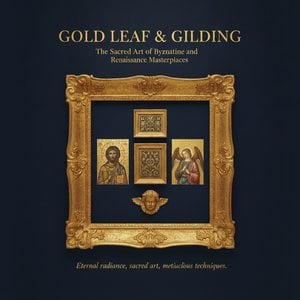
Explore the divine mastery of Byzantine gold leaf and gilding. Discover how ancient artisans used gold ground and mosaics to create celestial light, a timeless legacy of spiritual splendor and technical excellence in sacred art history.

 实景预览
实景预览
 分享
分享 分享
分享
 详情
详情 指南
指南

 下载作品
下载作品
 相似作品
相似作品 X射线
X射线 幻灯片播放
幻灯片播放 问答
问答
 统计数据
统计数据


 展开全文
展开全文









 玻璃选项仅适用于110厘米以下的尺寸。


