
博物馆级艺术微喷或帆布版画,制作高效,并提供多种饰面选择。 ( 订购此收藏品的纯手工复刻画作 切换至数字图像销售渠道)





























您可以从与原作比例一致的预设尺寸中进行选择。

请输入您所需的宽度和高度,以适配您的画框或墙面。由于印刷品只能进行裁剪,无法超出原图尺寸,因此若比例不一致,画面的一部分将会被裁切。在正式印刷之前,我们会为您发送一份数字效果图供您确认。本页面显示的图片并非最终裁剪后的效果——只有效果图才能展示真实的裁剪情况。
the city
复刻品尺寸说明
The City, painted by Edward Hopper in 1927, is a striking black and white depiction of early 20th-century American urban life. This artwork isn't merely a representation of buildings and streets; it’s an evocative exploration of solitude within the bustling metropolis.
The painting presents a typical city street, dominated by imposing structures that stretch upwards. Numerous windows suggest countless lives unfolding behind closed doors, yet remain largely anonymous and unknowable. Hopper populates the scene with a few pedestrians – figures absorbed in their own worlds, walking with heads down or lost in thought. A casually leaning bicycle and a stoic fire hydrant punctuate the streetscape, while a clock subtly emphasizes the relentless passage of time.
The City exemplifies Hopper’s signature style – American Realism imbued with profound emotional depth. His masterful use of stark black and white creates a dramatic, almost cinematic effect. The absence of color intensifies the sense of isolation and quiet contemplation. Hopper's precise rendering of architectural details—windows, clocks, fire hydrants—demonstrates meticulous observation. He wasn’t simply recording what he saw; he was distilling it to its essence, revealing psychological truths about modern urban existence.
Created during a period of rapid urbanization and social change in the United States, The City reflects a growing sense of alienation within burgeoning metropolises. Hopper was influenced by writers like Ralph Waldo Emerson, whose transcendentalist ideals explored individualism and introspection. He also drew inspiration from French Impressionists such as Manet and Degas, particularly their ability to capture fleeting moments of modern life with honesty.
The painting’s power lies in its subtle symbolism. The towering buildings represent the overwhelming scale of urban life, while the solitary figures embody a sense of anonymity and disconnection. The clock serves as a constant reminder of time's relentless march, adding to the feeling of transience and perhaps even anxiety. The City evokes nostalgia for a bygone era but also acknowledges the inherent loneliness that can accompany modern existence. It’s a work that invites quiet contemplation on the human condition.
This striking artwork would be a captivating addition to various interior settings:
To best showcase The City, consider displaying it in a well-lit space with ample wall area. A simple, neutral frame will enhance its impact without distracting from Hopper’s masterful composition. Its monochromatic palette makes it exceptionally versatile for pairing with various color schemes.
To gain a deeper understanding of Hopper’s artistic vision, explore other works that share similar themes of urban life and isolation, such as Office in a Small City, City Roofs, August in the City, and Approaching the City. These pieces offer further insight into his unique perspective on American modernity.

1931 - 1967 , 美国

Elevate your most cherished memories with WahooArt’s bespoke service. We transform your personal photos into breathtaking, hand-painted black & white oil masterpieces. Experience museum-quality craftsmanship and timeless elegance for your private collection. Discover the art of legacy.
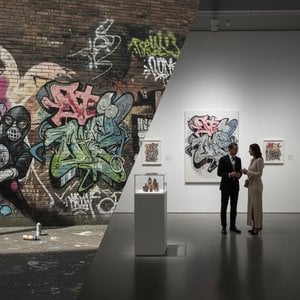
Explore the captivating journey of street art from urban walls to prestigious galleries. Discover how contemporary graffiti has evolved into a high-end collectible movement, redefining modern interior design and global art culture.

Explore the profound artistry of black and white photography. From historical mastery to the interplay of light and shadow, discover how monochrome captures timeless emotion and form through a sophisticated lens of art history.


 实景预览
实景预览
 发送
发送 分享
分享
 详情
详情 指南
指南

 下载图片
下载图片
 相似作品
相似作品 X射线
X射线 幻灯片播放
幻灯片播放 统计数据
统计数据

 阅读全文
阅读全文









 玻璃选项仅适用于110厘米以下的尺寸。


