































从与原作比例一致的预设尺寸中进行选择。

您可以输入自定义尺寸,以适配特定的画框或空间。如果您选择的尺寸与原图比例不符,我们将对作品进行裁剪,或通过镜像填充/纯色填充边缘的方式来扩展图像。在开始制作之前,我们会向您发送一份数字效果图供您确认。
请注意,屏幕上的预览并不能反映实际的裁剪或扩展效果。只有效果图才能准确展示最终的构图。
虽然我们提供定制尺寸,但为了保持原图比例,我们建议您从预设列表中选择尺寸。

Shakespeare at Dusk
复制品尺寸
In the quiet transition between day and night, Edward Hopper’s “Shakespeare at Dusk” captures a moment that feels suspended in time. Painted in 1935, this monochrome masterpiece is far more than a mere depiction of an urban park; it is a profound distillation of the anxieties and aspirations inherent in the mid-century American consciousness. As the light fades, the canvas reveals a world caught in a palpable stillness, where every subtle gesture and elongated shadow speaks volumes about the human experience. For the discerning collector or interior designer, this piece offers a window into a period of deep introspection, making it an evocative centerpiece for any space dedicated to contemplation and quiet elegance.
The composition centers around a solitary statue of Shakespeare, positioned prominently in the foreground. This silent sentinel stands against the backdrop of a darkening urban park, where scattered benches invite the viewer to pause and reflect. In the distance, figures move like ghosts through the twilight, their presence contributing to an atmosphere of understated observation. Hopper’s signature style—characterized by geometric precision and a flattened perspective—is masterfully employed here to sculpt form through light. Through his expert use of chiaroscuro, he manipulates the stark contrast between illuminated surfaces and deep, impenetrable recesses, heightening the emotional resonance of the scene and emphasizing the profound isolation of the subject.
To understand “Shakespeare at Dusk,” one must look toward the historical landscape of the Great Depression. Created during a time of widespread economic and social upheaval, the painting reflects a broader cultural preoccupation with themes of alienation and disillusionment. Hopper rejects the sentimentalism common in much of the era's art, opting instead for a psychologically astute portrayal of modern life—a world increasingly defined by solitude and detachment. The statue itself serves as a potent symbol; its unwavering gaze directs attention inward, prompting viewers to confront their own questions of identity and purpose amidst a changing society.
The setting of dusk is deeply symbolic, representing a state of transition where the fading light mirrors the uncertainty of the era. This sense of "the moment between" creates a cinematic tension that is uniquely Hopperesque. For those looking to incorporate fine art into a curated interior, this reproduction offers more than just aesthetic beauty; it brings a narrative weight and a sophisticated mood. The monochrome palette lends a timeless quality to the work, ensuring it integrates seamlessly into modern, minimalist, or classic decor, providing a focal point that encourages a slower, more mindful engagement with one's surroundings.

1931 - 1967 , 美国

Master the nuances of Giclée printing with our expert guide. Discover how pigment-based inks and museum-grade substrates create fade-resistant, high-fidelity art reproductions designed for discerning collectors seeking unparalleled quality and longevity.
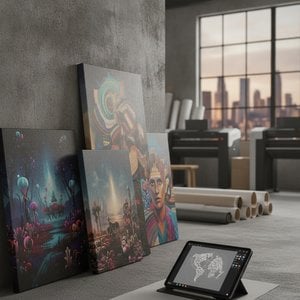
Transform your digital artistry into a prestigious global brand with WahooArt’s premium Giclée prints. Experience museum-quality archival excellence and seamless on-demand fulfillment designed for the modern creative entrepreneur seeking to build a lasting artistic legacy.


 效果预览
效果预览
 购买手绘画作
 分享
分享 分享
分享
 详情
详情

 下载
下载
 相似作品
相似作品 X射线
X射线 幻灯片播放
幻灯片播放

 展开详情
展开详情









 玻璃选项仅适用于110厘米以下的尺寸。


