
 Giclée PrintDigitalContemporary Realism
 1921
1921 18.0 x 21.0 cm
 费城艺术博物馆
博物馆级艺术微喷或帆布版画,制作高效,并提供多种饰面选择。 ( 订购此收藏品的纯手工复刻画作 切换至数字图像销售渠道)
您可以从与原作比例一致的预设尺寸中进行选择。

请输入您所需的宽度和高度,以适配您的画框或墙面。由于印刷品只能进行裁剪,无法超出原图尺寸,因此若比例不一致,画面的一部分将会被裁切。在正式印刷之前,我们会为您发送一份数字效果图供您确认。本页面显示的图片并非最终裁剪后的效果——只有效果图才能展示真实的裁剪情况。
Night Shadows
复刻品尺寸说明
Edward Hopper's "Night Shadows," etched in 1921, isn’t merely a depiction of a street at night; it’s a distilled essence of American loneliness and the quiet drama inherent in everyday existence. The stark black and white etching immediately establishes an atmosphere of profound stillness – a palpable sense of isolation that speaks volumes without uttering a single word. Hopper, a master of capturing fleeting moments of human experience, expertly utilizes light and shadow to create a scene both familiar and unsettlingly detached. The image draws us in with its simple composition: a solitary figure walking down the street, his elongated shadow stretching before him like an extension of his solitude. This isn’t a bustling urban landscape; it's a carefully constructed tableau designed to evoke introspection.
Hopper’s etching technique is remarkably precise, revealing the meticulous hand that shaped this iconic image. Notice the deliberate hatching and cross-hatching employed to render the textures of the pavement, the subtle gradations in the shadows, and the delicate lines defining the architecture. The artist's control over line weight contributes significantly to the overall mood – heavier lines emphasize areas of darkness and solidity, while lighter lines suggest distance or ambiguity. The placement of the two chairs and bench further anchors the scene, providing a sense of place without disrupting the feeling of detachment. These elements aren’t merely decorative; they subtly invite us into the narrative, suggesting potential encounters that never materialize.
"Night Shadows" emerged during a pivotal period in American history—the early 20th century, a time of rapid industrialization, urbanization, and profound social change. Hopper’s work reflects the anxieties and uncertainties of this era, capturing the growing sense of alienation felt by many individuals within increasingly impersonal urban environments. The solitary figure walking alone at night embodies this theme – a symbol of disconnection and the struggle to find meaning in a rapidly changing world. The chairs and bench hint at moments of potential connection, yet they remain unoccupied, reinforcing the image’s underlying message of isolation. It's important to remember that Hopper was deeply influenced by the literary works of writers like Henry James, whose explorations of psychological states resonated strongly with his artistic vision.
Beyond its technical brilliance and historical context, “Night Shadows” possesses a remarkable emotional depth. The image doesn’t scream for attention; instead, it quietly invites contemplation. There's a palpable sense of longing within the scene—a yearning for connection or perhaps simply for understanding. The darkness itself isn’t menacing but rather suggestive, hinting at hidden stories and unspoken emotions. It’s this ability to evoke such profound feelings through seemingly simple imagery that has cemented Hopper’s place as one of America's most enduring artists. A reproduction of “Night Shadows” offers a powerful opportunity to bring this evocative scene into your home, serving as a constant reminder of the beauty and melancholy inherent in the human experience.
与“Night Shadows”相似的作品已列在艺术品的 相似作品 页面中。
爱德华·霍珀 的《Night Shadows》 是一幅 Landscape 构图的作品。在选择打印尺寸之前,建议先确认其比例。
"Night Shadows" 属于 Contemporary Realism 流派,其创作者活跃于 现代主义 时期。

1931 - 1967 , 美国

Explore the profound artistry of black and white photography. From historical mastery to the interplay of light and shadow, discover how monochrome captures timeless emotion and form through a sophisticated lens of art history.
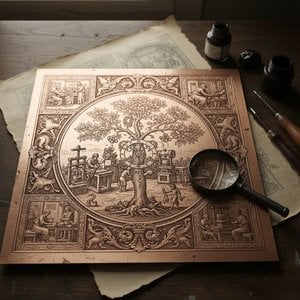
Explore the intricate world of etching and intaglio printmaking. Discover how masters use acid and metal to create profound textures and lines, from Romanticism to modern era, through an expert lens of art history and technical mastery.


 发送
发送 分享
分享
 详情
详情 指南
指南

 下载图片
下载图片
 相似作品
相似作品 幻灯片播放
幻灯片播放 统计数据
统计数据 阅读全文
阅读全文






































 玻璃选项仅适用于110厘米以下的尺寸。


