
博物馆级艺术微喷或帆布版画,制作高效,并提供多种饰面选择。 ( 购买手绘画作 切换至数字图像销售渠道)





























从与原作比例一致的预设尺寸中进行选择。

您可以输入自定义尺寸,以适配特定的画框或空间。如果您选择的尺寸与原图比例不符,我们将对作品进行裁剪,或通过镜像填充/纯色填充边缘的方式来扩展图像。在开始制作之前,我们会向您发送一份数字效果图供您确认。
请注意,屏幕上的预览并不能反映实际的裁剪或扩展效果。只有效果图才能准确展示最终的构图。
虽然我们提供定制尺寸,但为了保持原图比例,我们建议您从预设列表中选择尺寸。

Hotel Window
复制品尺寸
Edward Hopper’s “Hotel Window,” painted in 1956, is more than just a depiction of a room; it’s a profound meditation on the human condition – specifically, the quiet loneliness that can permeate modern life. This iconic black and white oil on canvas captures a moment of poignant stillness, inviting viewers to contemplate the woman seated before the window, lost in her own thoughts. Hopper, a master of capturing atmosphere and psychological depth, expertly utilizes light and shadow to create an intensely evocative scene, solidifying his place as one of America’s most significant 20th-century artists.
The painting centers around a solitary woman in a hotel room. She occupies the foreground, positioned near a window with drawn curtains that partially obscure the view outside. The composition is meticulously balanced; the two couches – one directly behind her, the other further back – create a sense of spatial depth while simultaneously reinforcing her isolation. Hopper’s deliberate framing draws attention to her posture and expression, suggesting a deep introspection. The inclusion of a book in her hands subtly hints at intellectual pursuits or perhaps an attempt to distract herself from the silence.
Hopper’s distinctive style is immediately recognizable through his precise rendering of form and light. He employed a meticulous technique, building up layers of oil paint to achieve a remarkable level of detail in the textures of the furniture and the woman’s clothing. The stark contrast between light and shadow – a hallmark of Hopper's work – dramatically shapes the scene, emphasizing the room’s dimensions and creating an almost theatrical effect. His use of black and white further amplifies this dramatic impact, stripping away any potential distraction from color and focusing solely on form and mood. This approach aligns with the broader Realist movement, but Hopper infused it with a uniquely modern sensibility.
"Hotel Window" was created during a period of significant social change in America – the post-war era saw an increase in urban migration and a growing sense of alienation. Hopper’s work reflects this shift, portraying individuals adrift in anonymous spaces, grappling with questions of identity and purpose. The window itself is a potent symbol: it represents both a barrier between the viewer and the outside world and a portal to contemplation. The woman's posture – absorbed in her book, gazing out at an unseen vista – speaks to the universal human desire for connection and understanding, yet simultaneously highlights the difficulty of finding it in a rapidly changing society. Painted in 1956, this work exemplifies Hopper’s ongoing exploration of themes relevant to the anxieties and uncertainties of the mid-20th century.
“Hotel Window” continues to resonate with viewers because of its ability to evoke a powerful sense of melancholy and quiet contemplation. It's a painting that invites us to confront our own feelings of isolation and to consider the complexities of human experience. Hopper’s masterful use of light, shadow, and composition creates an atmosphere of profound stillness, prompting reflection on themes of solitude, identity, and the search for meaning in a modern world. This piece remains a cornerstone of American art history, demonstrating Hopper's unparalleled ability to capture the essence of the human spirit.

1931 - 1967 , 美国

探索爱德华·霍珀25幅经典作品,感受美国现实主义的光影魅力与寂静之美。深入了解每件画作背后的故事、艺术技巧及文化意义。WahooArt.com提供高清油画复制和精选家居装饰灵感。立即探索完整系列!

Explore 10 iconic paintings dominated by black tones, from Rembrandt’s chiaroscuro to Goya's dark expressions. Discover the stories behind these masterpieces & find museum-quality art reproductions for your home at .
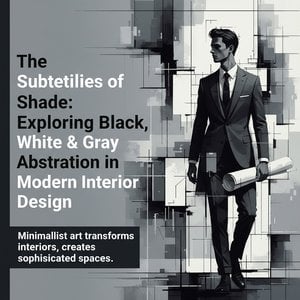
Explore the power of black, white & gray abstraction in modern interior design. Discover how minimalist art impacts spatial perception & creates sophisticated hotel spaces. Expert insights for designers.
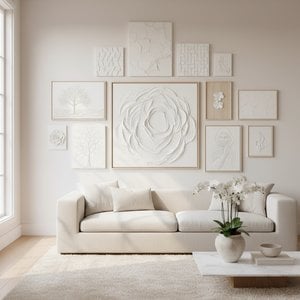
Explore 10 iconic white paintings by Monet, Whistler & Rothko! Discover the stories behind these serene masterpieces and their impact on art history. Find museum-quality reproductions for your home decor at .

Explore the rich history & artistic power of black and white photography. From early techniques to iconic masters like Ansel Adams, discover why monochrome continues to captivate art lovers today. Expert insights for collectors.


 效果预览
效果预览
 分享
分享 分享
分享
 详情
详情

 下载
下载
 相似作品
相似作品 X射线
X射线 幻灯片播放
幻灯片播放 统计数据
统计数据

 展开详情
展开详情









 玻璃选项仅适用于110厘米以下的尺寸。


