
博物馆级艺术微喷或帆布版画,制作高效,并提供多种饰面选择。 ( 购买手绘画作 Switch to Digital Image)





























从与原作比例一致的预设尺寸中进行选择。

您可以输入自定义尺寸,以适配特定的画框或空间。如果您选择的尺寸与原图比例不符,我们将对作品进行裁剪,或通过镜像填充/纯色填充边缘的方式来扩展图像。在开始制作之前,我们会向您发送一份数字效果图供您确认。
请注意,屏幕上的预览并不能反映实际的裁剪或扩展效果。只有效果图才能准确展示最终的构图。
虽然我们提供定制尺寸,但为了保持原图比例,我们建议您从预设列表中选择尺寸。

Hotel Lobby
复制品尺寸
Edward Hopper's "Hotel Lobby," painted in 1943, isn’t merely a depiction of an interior space; it’s a distilled essence of American loneliness and the quiet drama of everyday life. The photograph captures a scene both familiar and profoundly unsettling – a hotel lobby populated by figures lost in their own thoughts, adrift within a carefully constructed yet ultimately isolating environment. Hopper masterfully employs his signature style, characterized by stark lighting, precise detail, and an almost unnerving stillness, to create an atmosphere thick with unspoken narratives.
The painting’s monochrome palette—a deliberate choice that strips away the distractions of color—forces us to focus on form and texture. The shadows are deep and pervasive, suggesting a sense of enclosure and perhaps even melancholy. Hopper's meticulous attention to detail is evident in the worn upholstery of the chairs, the subtle reflections on the polished surfaces, and the carefully rendered faces of the individuals within the scene. This realism, however, isn’t simply observational; it’s imbued with a psychological depth that elevates the work beyond a straightforward snapshot.
Hopper was deeply attuned to the anxieties and uncertainties of post-war America. “Hotel Lobby” reflects this mood perfectly. The two women, one absorbed in a book, the other resting her head on her hand, represent a poignant tableau of solitude. They are connected by proximity but separated by their internal worlds. The man standing nearby, his posture suggesting observation rather than engagement, further reinforces this sense of detachment. There’s no conversation happening here; only the quiet presence of strangers in a shared space.
The empty chair adds another layer to the composition's narrative. It speaks to missed connections, unfulfilled desires, and the inherent loneliness that can exist even within a public setting. The book itself becomes symbolic – an attempt to escape, perhaps, or a shield against the silence of the room.
Hopper’s technique is remarkably controlled, reflecting his rigorous training in realism. He utilized oil paints with a deliberate precision, layering thin washes to build up form and creating subtle gradations of light and shadow. The composition is carefully balanced, drawing the eye across the scene while simultaneously emphasizing the isolation of each figure. Notice how the receding lines of the lobby create a sense of depth, pulling the viewer into the space and intensifying the feeling of being an unseen observer.
"Hotel Lobby" was painted during a period of significant social and cultural change in America – the shadow of World War II lingered, and anxieties about the future were palpable. Hopper’s work resonated with this mood, capturing the sense of displacement and uncertainty that many Americans felt at the time. Despite being created nearly eighty years ago, the painting continues to hold a powerful resonance today. Its themes of loneliness, isolation, and the quiet drama of everyday life are timeless and universally relatable.
A reproduction of “Hotel Lobby” offers more than just a beautiful image; it’s an invitation to contemplate the complexities of human experience and the subtle beauty found in moments of solitude. WahooArt.com is proud to offer high-quality, hand-painted reproductions that faithfully capture the essence of this iconic work by Edward Hopper, allowing you to bring its evocative power into your home or office.

1931 - 1967 , 美国

Explore 10 iconic paintings dominated by black tones, from Rembrandt’s chiaroscuro to Goya's dark expressions. Discover the stories behind these masterpieces & find museum-quality art reproductions for your home at .
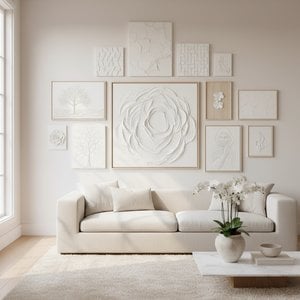
Explore 10 iconic white paintings by Monet, Whistler & Rothko! Discover the stories behind these serene masterpieces and their impact on art history. Find museum-quality reproductions for your home decor at .
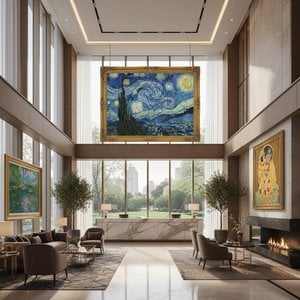
Transform your hotel lobby with iconic paintings! Explore 10 masterpieces – Van Gogh, Monet & more – and their stories. Find museum-quality art reproductions for luxury decor at . Discover the full collection online.

Discover how strategic lobby art impacts guest perception & brand loyalty. Expert insights for luxury hotels & interior designers – elevate your space with curated artwork.

探索爱德华·霍珀25幅经典作品,感受美国现实主义的光影魅力与寂静之美。深入了解每件画作背后的故事、艺术技巧及文化意义。WahooArt.com提供高清油画复制和精选家居装饰灵感。立即探索完整系列!


 效果预览
效果预览
 分享
分享 分享
分享
 详情
详情

 下载
下载
 相似作品
相似作品 X射线
X射线 幻灯片播放
幻灯片播放 Stats
Stats


 展开详情
展开详情









 玻璃选项仅适用于110厘米以下的尺寸。


