博物馆级艺术微喷或帆布版画,制作高效,并提供多种饰面选择。 ( 订购此收藏品的纯手工复刻画作 切换至数字图像销售渠道)





























您可以从与原作比例一致的预设尺寸中进行选择。

请输入您所需的宽度和高度,以适配您的画框或墙面。由于印刷品只能进行裁剪,无法超出原图尺寸,因此若比例不一致,画面的一部分将会被裁切。在正式印刷之前,我们会为您发送一份数字效果图供您确认。本页面显示的图片并非最终裁剪后的效果——只有效果图才能展示真实的裁剪情况。
untitled (246)
复刻品尺寸说明
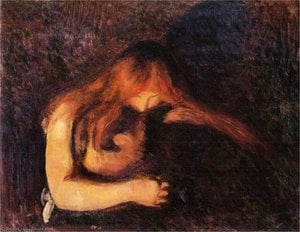
Edvard Munch's "Untitled (246)," a haunting black and white depiction of a woman cradling a cat, isn’t merely a portrait; it’s a visceral embodiment of the anxieties that defined the artist’s life and, by extension, much of modern experience. Painted in 1893 during a period of intense personal turmoil, this work transcends simple representation to become a profound meditation on grief, vulnerability, and the inescapable shadow of mortality. The painting's power lies not just in its subject matter but in Munch’s masterful manipulation of line, color (or rather, the absence thereof), and composition – elements that converge to create an atmosphere thick with unspoken sorrow.
Munch’s artistic journey was inextricably linked to his own personal tragedies. The early deaths of his mother and sister from tuberculosis cast a long shadow over his childhood, instilling in him a lifelong preoccupation with illness, loss, and the fragility of human existence. This deeply rooted emotional landscape is palpably present in “Untitled (246).” The woman’s face, rendered with an almost skeletal simplicity, conveys a profound sense of weariness and despair. Her eyes, vacant yet intensely focused, seem to stare into some distant, unbearable memory. The cat, nestled securely within her arms, offers a fleeting moment of tenderness – perhaps a symbolic representation of comfort or the last vestige of connection in a world increasingly defined by isolation.
“Untitled (246)” is a quintessential example of Munch’s signature Expressionistic style. Rejecting academic realism, he prioritized conveying inner emotional states through distorted forms and exaggerated lines. Notice how the woman's body is elongated and contorted, her limbs seemingly adrift in space. The cat, too, is rendered with an unsettling fluidity, its form dissolving into a hazy suggestion of feline presence. Munch’s use of thick, swirling brushstrokes adds to the painting’s sense of unease and instability, mirroring the turbulent emotions he sought to capture.
The deliberate absence of color – the monochrome palette of black, white, and shades of gray – is crucial to the work's impact. This starkness amplifies the emotional intensity, stripping away any superficial distractions and forcing the viewer to confront the raw core of the scene. The limited tonal range creates a dramatic chiaroscuro effect, emphasizing the contours of the figures and casting them in an almost theatrical light. It’s as if Munch is illuminating not just the physical form but also the hidden depths of the woman's soul.
“Untitled (246)” belongs to a series known as “The Frieze of Life,” a group of paintings that explored fundamental human experiences – love, anxiety, death, melancholy, and jealousy. Within this context, the painting can be interpreted as a representation of grief and the enduring struggle to find solace in the face of loss. The cat itself is often seen as a symbol of comfort and companionship, offering a brief respite from the overwhelming sadness. However, its presence also subtly underscores the isolation inherent in grief – a reminder that even in moments of tenderness, one remains fundamentally alone.
Furthermore, the painting’s composition echoes themes explored in Munch's broader artistic output. The woman’s posture suggests a state of passive resignation, mirroring the vulnerability and helplessness often associated with mourning. The overall effect is profoundly unsettling, prompting viewers to contemplate their own experiences with loss, loneliness, and the inevitable passage of time. It’s a work that demands introspection and rewards repeated viewing, revealing new layers of meaning with each encounter.
“Untitled (246)” remains a powerfully resonant artwork over a century after its creation. Its enduring appeal lies in its ability to tap into universal human emotions – grief, vulnerability, and the search for connection. Reproductions of this iconic image continue to captivate audiences worldwide, serving as a poignant reminder of the complexities of the human condition. Whether displayed in a private collection or a public gallery, “Untitled (246)” offers a profound glimpse into the artistic genius of Edvard Munch and his unflinching exploration of the darkest corners of the human psyche.
在爱德华·蒙克的艺术生涯中,"untitled (246)"创作于Mature Period时期。这一阶段有助于将其与艺术家的其他作品进行比较。
“untitled (246)”倾向于Ochre to Sepia色调。
您可以在作品的下载页面下载爱德华·蒙克 的《untitled (246)》,作为高分辨率数字图像下载。

1863 - 1944 , 瑞典

Explore the profound artistry of black and white photography. From historical mastery to the interplay of light and shadow, discover how monochrome captures timeless emotion and form through a sophisticated lens of art history.

Elevate your most cherished memories with WahooArt’s bespoke service. We transform your personal photos into breathtaking, hand-painted black & white oil masterpieces. Experience museum-quality craftsmanship and timeless elegance for your private collection. Discover the art of legacy.


 实景预览
实景预览
 发送
发送 分享
分享
 详情
详情 指南
指南

 下载图片
下载图片
 相似作品
相似作品 X射线
X射线 幻灯片播放
幻灯片播放 统计数据
统计数据

 阅读全文
阅读全文









 玻璃选项仅适用于110厘米以下的尺寸。