A Portrait of Unease: Decoding Edvard Munch’s Untitled (1392)
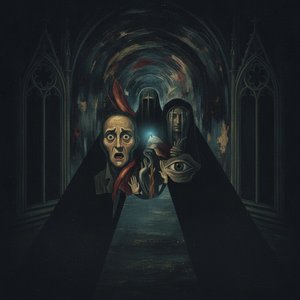
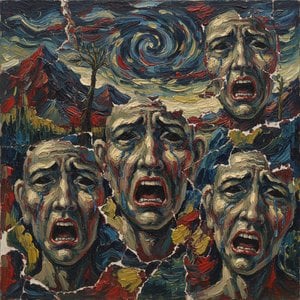
The painting, tentatively titled “Untitled (1392),” presents a striking depiction of a woman bathed in muted hues—primarily dark browns and blues—against a backdrop that whispers of impending twilight. Captured by Edvard Munch, arguably the father of Expressionism, this artwork transcends mere representation; it delves into the depths of psychological emotion, mirroring the artist’s own turbulent inner life and resonating powerfully with viewers today. The image itself depicts a woman seated calmly, gazing directly at the viewer—a posture that immediately establishes an unsettling intimacy, inviting contemplation on vulnerability and unspoken anxieties. Her dark dress contrasts sharply with the pale skin tone of her face, emphasizing her presence as a focal point amidst the somber surroundings.
- Style: Munch’s signature Expressionist style is evident in every brushstroke. Rejecting Impressionistic objectivity, he prioritized conveying inner feelings rather than capturing external appearances. This approach aligns perfectly with the burgeoning anxieties of the early 20th century – a period marked by societal upheaval and personal crises.
- Technique: Munch employed oil paints on canvas, utilizing a layering technique that builds up texture and depth. The artist’s deliberate blending creates an atmospheric haze, enhancing the sense of isolation and melancholy inherent in the scene. Notice particularly how he captures the subtle nuances of light—a single source emanating from above—which casts elongated shadows and contributes to the painting's dramatic mood.
The historical context surrounding “Untitled (1390)” is crucial to understanding its significance. Created during Munch’s formative years, it reflects his preoccupation with themes of illness, loss, and existential dread – experiences profoundly shaped by his own family history, including the devastating tuberculosis that claimed the lives of his mother and sister. These biographical influences seep into the artwork's symbolism, where the woman’s gaze embodies a quiet defiance against despair. The dark background isn’t merely decorative; it symbolizes the oppressive weight of psychological burdens and represents the subconscious realm—a space fraught with fear and uncertainty. Munch himself described this painting as “a picture of my soul,” encapsulating his artistic mission to confront uncomfortable truths about human experience.
Symbolism: The woman's unwavering stare is interpreted as a challenge to overcome inner turmoil, mirroring Munch’s own battle against mental illness. The muted color palette reinforces the pervasive feeling of sadness and isolation—a visual manifestation of Munch’s emotional landscape. Furthermore, the upward-reaching light suggests a glimmer of hope amidst darkness, hinting at the possibility of transcendence despite suffering.
Emotional Impact: “Untitled (1392)” continues to captivate audiences with its ability to evoke profound feelings of melancholy and introspection. It speaks to our universal anxieties about mortality and vulnerability—themes that resonate across cultures and generations. Reproductions of this artwork offer a powerful opportunity to bring Munch’s visionary aesthetic into any interior space, fostering contemplation and prompting viewers to confront their own emotional realities.



 效果预览
效果预览
 购买手绘画作
 分享
分享 分享
分享
 详情
详情

 下载
下载
 相似作品
相似作品 X射线
X射线 幻灯片播放
幻灯片播放
 展开详情
展开详情






































 玻璃选项仅适用于110厘米以下的尺寸。