

博物馆级艺术微喷或帆布版画,制作高效,并提供多种饰面选择。 ( 订购纯手工绘制画作 切换至数字图像销售渠道)





























您可以从与原作比例一致的预设尺寸中进行选择。

请输入您所需的宽度和高度,以适配您的画框或墙面。由于印刷品只能进行裁剪,无法超出原图尺寸,因此若比例不一致,画面的一部分将会被裁切。在正式印刷之前,我们会为您发送一份数字效果图供您确认。本页面显示的图片并非最终裁剪后的效果——只有效果图才能展示真实的裁剪情况。
The Haymaker
复刻品尺寸
Edvard Munch’s “The Haymaker,” completed in 1916, stands as a cornerstone of Expressionist art—a movement born from the turbulent anxieties of early 20th-century Europe. More than just a depiction of agricultural labor, this painting delves into profound psychological depths, capturing not merely what is seen but what is felt. Munch’s masterful use of color and brushstroke embodies the core tenets of Expressionism: prioritizing subjective experience over objective representation.
Expressionist artists rejected the conventions of Impressionism and Naturalism, rejecting a faithful rendering of the external world. Instead, they sought to convey inner emotions—fear, despair, joy—directly onto the canvas. Munch’s artistic lineage extends back to Symbolists like Gustave Moreau and Vincent van Gogh, who similarly prioritized emotional resonance over literal accuracy. This stylistic choice wasn't merely aesthetic; it reflected a broader cultural preoccupation with psychological states during a period marked by societal upheaval.
"The Haymaker" portrays a solitary farmer diligently plowing his field under a hazy sky, surrounded by lush greenery and ripening haystacks. The composition is deliberately unsettling; Munch employs a flattened perspective that diminishes depth, intensifying the sense of isolation and vulnerability. Notice the muted palette—dominated by earthy browns and greens—which contributes to the painting’s melancholic atmosphere. However, it's not merely color that communicates emotion; Munch’s bold, agitated brushstrokes convey a palpable tension.
The figure of the haymaker himself is rendered with understated dignity but also with an air of quiet desperation. His posture exudes weariness, hinting at the burdens of labor and perhaps reflecting Munch’s own anxieties about mortality. The horse-drawn plow symbolizes tradition and toil—elements that Munch juxtaposes against the vastness of the landscape to underscore the insignificance of human endeavor in the face of existential concerns. Recurring motifs like the hazy sky – a symbol of uncertainty and impending doom – reinforce this overarching theme.
"The Haymaker" resonates powerfully with other Expressionist masterpieces, notably Vincent van Gogh’s “Field with Ploughman” and George Heidrik Breitner's "An Elegant Lady Strolling along a Canal in Amsterdam." These artists shared Munch’s commitment to capturing the emotional core of their subjects—a legacy that continues to inspire contemporary artists. Reproductions of “The Haymaker,” available at WahooArt.com, offer an opportunity to experience this iconic artwork firsthand and appreciate its enduring power to evoke contemplation and emotion.
爱德华·蒙克 的《The Haymaker》 的色彩对比度为 Bold。
您可以通过亚麻画布手工油画复制品来订购《The Haymaker》的手绘复制品。您可以前往其手工油画复刻页面进行下单,并根据需求选择不同的尺寸。
"The Haymaker" 所蕴含的 Melancholic 情感,与其 Expressionism 风格相得益彰。

1863 - 1944 , 瑞典
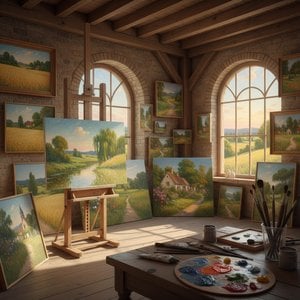
Discover the profound tranquility of rural art through an expert exploration of Impressionist landscapes. From pastoral scenes to textured oil masterpieces, learn how timeless nature-inspired artworks bring enduring elegance and serenity to sophisticated collectors.

 实景预览
实景预览
 分享
分享 分享
分享
 详情
详情 指南
指南

 下载作品
下载作品
 相似作品
相似作品 X射线
X射线 幻灯片播放
幻灯片播放 问答
问答
 统计数据
统计数据

 展开全文
展开全文









 玻璃选项仅适用于110厘米以下的尺寸。


