
博物馆级艺术微喷或帆布版画,制作高效,并提供多种饰面选择。 ( 订购纯手工绘制画作 切换至数字图像销售渠道)





























您可以从与原作比例一致的预设尺寸中进行选择。

请输入您所需的宽度和高度,以适配您的画框或墙面。由于印刷品只能进行裁剪,无法超出原图尺寸,因此若比例不一致,画面的一部分将会被裁切。在正式印刷之前,我们会为您发送一份数字效果图供您确认。本页面显示的图片并非最终裁剪后的效果——只有效果图才能展示真实的裁剪情况。
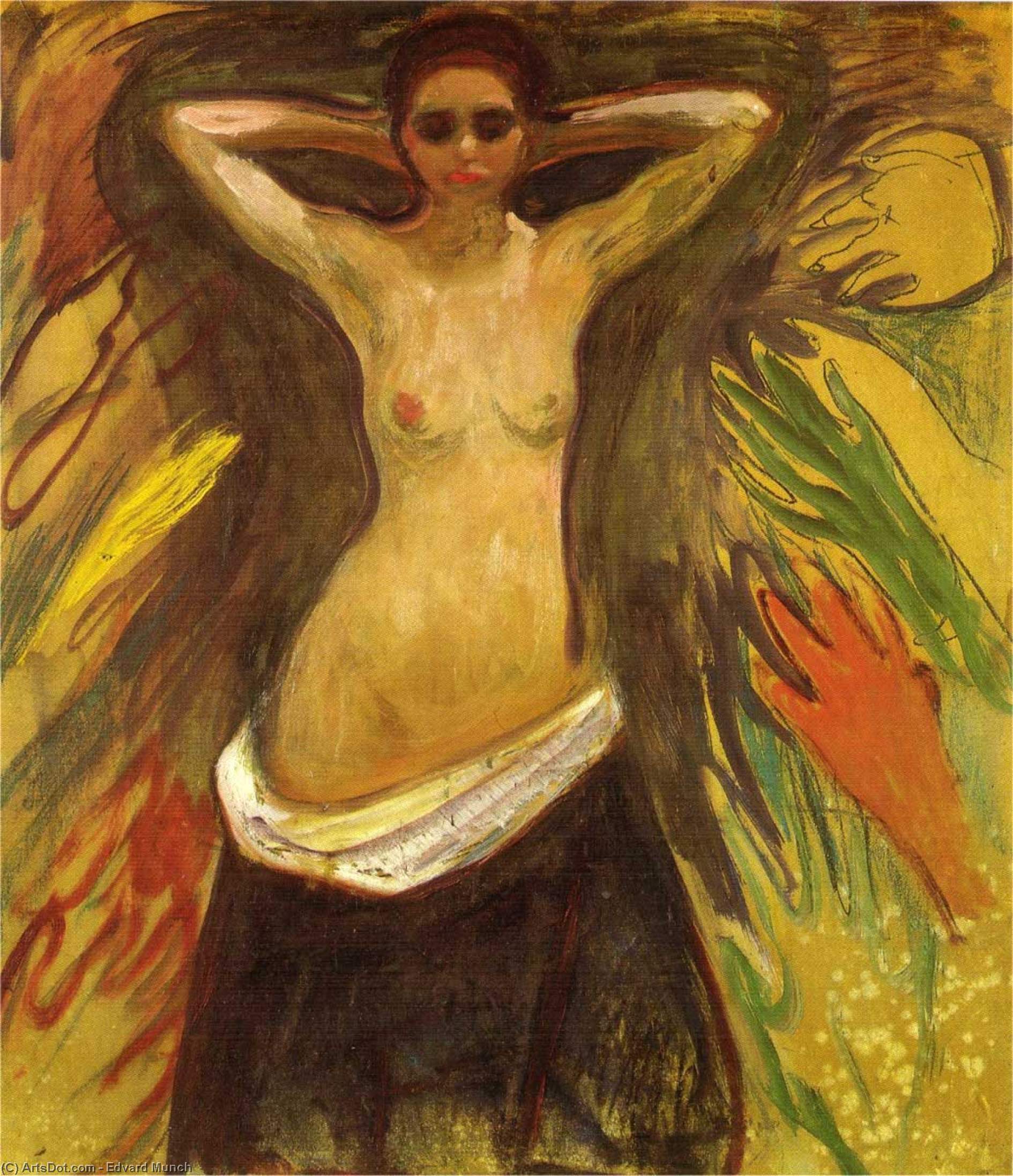
Hands
复刻品尺寸
Edvard Munch, a titan of modern art, remains eternally etched in the collective consciousness as the creator of “The Scream,” an image synonymous with existential dread and psychological torment. Yet, beyond this iconic masterpiece lies another compelling work – “Hands,” painted in 1893, which offers a nuanced glimpse into Munch’s artistic vision and delves deeper into themes of vulnerability and emotional turmoil.
This haunting depiction portrays a woman clutching her head with both hands, an arresting composition that immediately draws the viewer into a realm of palpable anxiety. Painted during Munch's formative years as an Expressionist artist, “Hands” exemplifies the movement’s core tenets: prioritizing subjective experience and conveying inner emotional states above objective representation.
“Hands” transcends its surface depiction; it operates on multiple symbolic levels. The woman's gesture – clutching her head – is interpreted as representing profound distress, mirroring Munch’s own battles with mental illness and his personal experiences of trauma. It speaks to the universal human condition—the struggle against overwhelming emotion and the yearning for solace.
Furthermore, the painting resonates with broader artistic traditions concerned with capturing light and shadow to heighten dramatic effect – a technique known as chiaroscuro – which Munch skillfully employs to intensify the emotional resonance of the scene. The artwork’s enduring power lies in its ability to provoke contemplation on themes of anxiety, vulnerability, and the complexities of human emotion.
"Hands" stands as a testament to Munch's pioneering role in shaping Expressionism and influencing subsequent generations of artists. Its unflinching portrayal of psychological anguish continues to captivate audiences today, reminding us of the enduring relevance of art’s capacity to explore the darkest recesses of human experience.

1863 - 1944 , 瑞典

Explore the profound psychological depths of Symbolic Expressionism. From Edvard Munch’s visceral landscapes to the emotive power of color, discover how art unveils hidden human emotions through a sophisticated lens of art history and mastery.

Discover the profound power of Expressionist art. From the raw intensity of Edvard Munch to the visceral textures of Neo-Expressionism, explore how subjective emotion and distorted reality define this movement. An expert guide for discerning collectors seeking depth and soul in fine art.
 实景预览
实景预览
 分享
分享 分享
分享
 详情
详情 指南
指南

 下载作品
下载作品
 相似作品
相似作品 X射线
X射线 幻灯片播放
幻灯片播放 问答
问答
 统计数据
统计数据

 展开全文
展开全文









 玻璃选项仅适用于110厘米以下的尺寸。


