
 Oil On CanvasWallArtSymbolism
 1902Modern
 130.0 x 110.0 cm
博物馆级艺术微喷或帆布版画,制作高效,并提供多种饰面选择。 ( 购买手绘画作 切换至数字图像销售渠道)





























从与原作比例一致的预设尺寸中进行选择。

您可以输入自定义尺寸,以适配特定的画框或空间。如果您选择的尺寸与原图比例不符,我们将对作品进行裁剪,或通过镜像填充/纯色填充边缘的方式来扩展图像。在开始制作之前,我们会向您发送一份数字效果图供您确认。
请注意,屏幕上的预览并不能反映实际的裁剪或扩展效果。只有效果图才能准确展示最终的构图。
虽然我们提供定制尺寸,但为了保持原图比例,我们建议您从预设列表中选择尺寸。

Four Ages in Life
复制品尺寸
Edvard Munch's “Four Ages in Life,” painted in 1902, isn’t merely a depiction of four individuals; it’s a profound meditation on the human condition, rendered with the artist’s signature blend of psychological intensity and haunting beauty. Housed within the Von Der Heydt Museum in Wuppertal, Germany, this oil-on-canvas work transcends its simple subject matter to become a timeless exploration of mortality, experience, and the ephemeral nature of time itself. Munch, already a pivotal figure in the Symbolist movement, used this piece to delve deeper into his recurring themes – anxiety, loss, and the inescapable awareness of our own finite existence. The painting’s power lies not just in its visual elements but also in the questions it subtly poses about life's journey and the inevitability of change.

The composition immediately draws the viewer into a carefully orchestrated procession of figures, each representing a distinct stage of life. On the left, a young child, clad in a vibrant red hat – a color often associated with innocence and vitality – embodies nascent curiosity and the boundless potential of youth. This youthful figure gazes forward, seemingly oblivious to the passage of time or the experiences that lie ahead. Contrasting sharply are the two adults dressed in somber black; their attire speaks volumes about wisdom gained through experience, bearing witness to both joy and sorrow. However, a poignant absence is immediately apparent: the man, typically a central figure in family portraits, is conspicuously absent, suggesting a loss – perhaps of a loved one, or simply the transition from active participation to quiet contemplation. Finally, an older woman with white hair and a blue dress represents maturity and acceptance, her face etched with the lines of time and experience. The deliberate arrangement creates a narrative arc, guiding the eye through the spectrum of human existence.
Munch masterfully employs light and shadow to amplify the emotional impact of “Four Ages in Life.” The muted palette – dominated by browns, grays, and blues – evokes a sense of melancholy and introspection. The figures are bathed in a diffused light, creating an atmosphere of quiet contemplation rather than dramatic confrontation. Notice how Munch uses subtle gradations of tone to define form and create depth, drawing the viewer’s eye through the composition. This technique is deeply rooted in his exploration of “light in painting,” as discussed in contemporary art theory, where he believed that light could be used not just to illuminate but also to convey emotion and psychological states. The interplay between light and shadow isn't merely aesthetic; it serves to heighten the sense of drama and invite viewers to engage with the painting on a deeper emotional level.
“Four Ages in Life” stands as a powerful example of Symbolist art, prioritizing the expression of inner emotions and ideas over realistic representation. Munch’s use of symbolism – the red hat signifying innocence, the black clothing representing experience, the absence of the man symbolizing loss – invites viewers to interpret the painting through their own personal lens. This aligns with the broader trends of Modernism, which emphasized experimentation, subjectivity, and a rejection of traditional artistic conventions. Like many modernist artists, Munch sought to capture not just what he *saw*, but what he *felt*. The painting’s enduring appeal lies in its ability to resonate with viewers across generations, prompting reflection on their own lives, experiences, and the inevitable passage of time. It's a poignant reminder that life is a journey through distinct stages, each marked by unique challenges and rewards.

1863 - 1944 , 瑞典

Embark on a sophisticated journey through the Dutch Golden Age. Unveil the dramatic brilliance of Rembrandt’s chiaroscuro and the expressive landscapes of 17th-century masters in this authoritative exploration of light, shadow, and enduring artistic legacy.
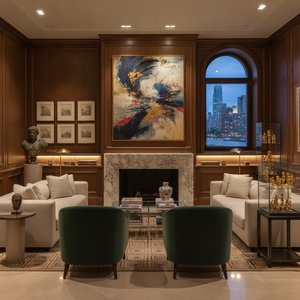
Elevate your home staging with premium, hand-painted art reproductions from WahooArt. Achieve luxury transformations in under 3 weeks with our express delivery service. Perfect for freelance decorators seeking museum-quality, ready-to-hang masterpieces that drive property value.
Explore the profound intersection of industry and artistry. Discover museum-quality reproductions of Machine Age masterpieces by Léger and Rivera, curated for elite collectors seeking to infuse luxury interiors with the powerful, geometric soul of industrial progress.


 效果预览
效果预览
 分享
分享 分享
分享
 详情
详情 指南
指南

 下载
下载
 相似作品
相似作品 X射线
X射线 幻灯片播放
幻灯片播放 统计数据
统计数据 展开详情
展开详情









 玻璃选项仅适用于110厘米以下的尺寸。


