Elsa Glaser: A Portrait Steeped in Melancholy and Symbolism
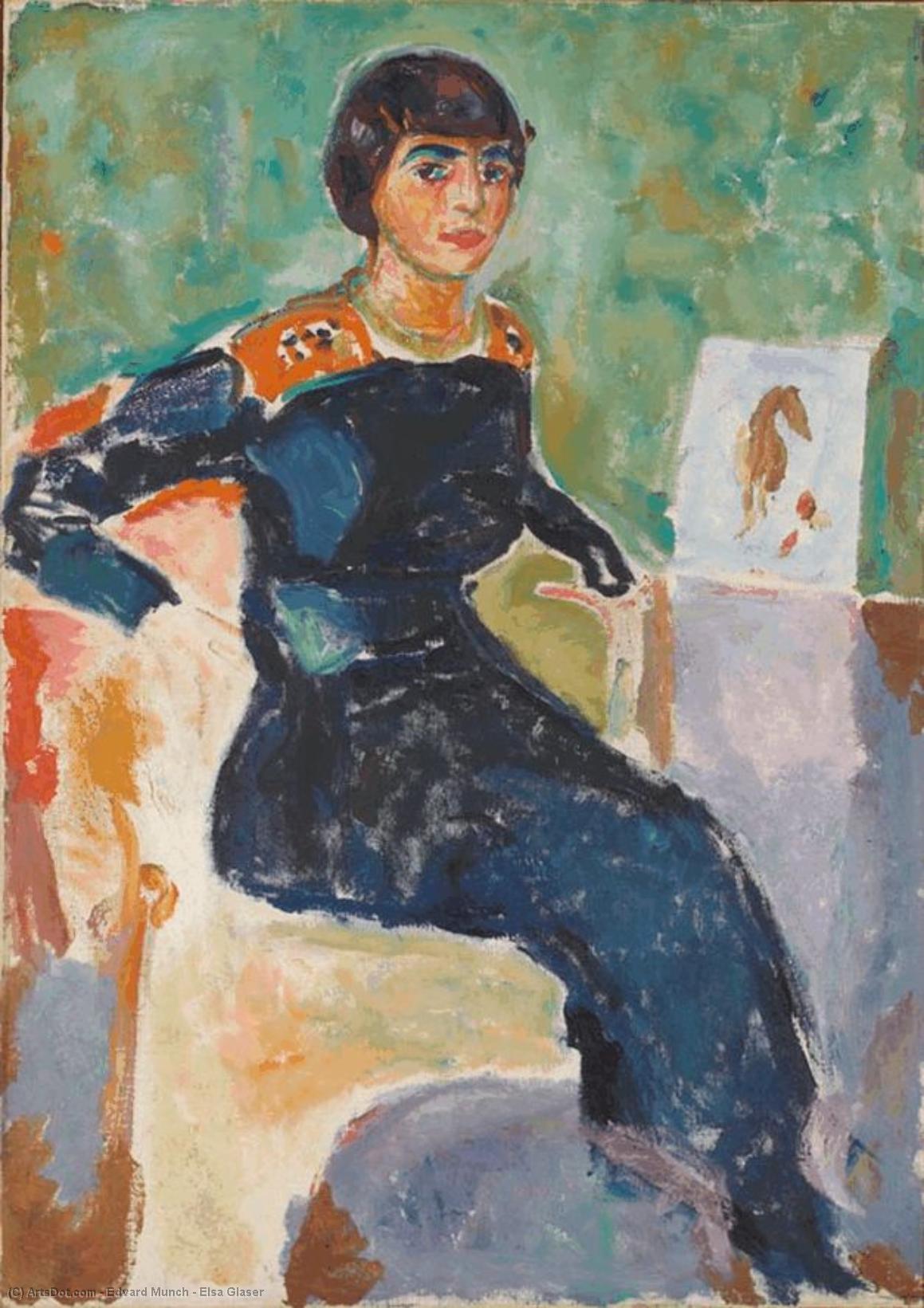
Edvard Munch’s “Elsa Glaser,” painted in 1913, transcends mere representation; it embodies the anxieties of its time—the burgeoning Expressionist movement grappling with psychological complexities—and offers a glimpse into Munch's deeply personal vision. This portrait depicts Elsa Glaser, a woman seated calmly on a chair, accompanied by two dogs gazing intently at her. The composition itself is deceptively simple, yet laden with unspoken emotion.
Style and Technique: Expressionist Impressionism
Munch’s approach to “Elsa Glaser” blends elements of Impressionism—particularly in the subtle gradations of color—with the hallmarks of Expressionism. Unlike traditional portraiture focused on idealized beauty, Munch prioritizes conveying inner turmoil. The muted palette – predominantly browns and greens – contributes to a sense of subdued sadness and isolation. Thick brushstrokes are employed, creating textured surfaces that capture not just visual detail but also palpable feeling. This technique is characteristic of Munch’s broader oeuvre, where he sought to translate subjective experience into tangible form.
Historical Context: The Shadow of Tuberculosis
Painted during a period marked by significant social upheaval and intellectual ferment—the early 20th century— “Elsa Glaser” reflects the pervasive influence of tuberculosis within Munch’s life and artistic consciousness. His sister Astrid succumbed to the disease in 1895, leaving an indelible mark on his psyche. This trauma fueled his preoccupation with mortality and illness, themes recurrent throughout his work. The presence of the dogs—often interpreted as symbols of loyalty and companionship—adds a layer of complexity to the scene, perhaps representing solace amidst despair or highlighting the fragility of human connection.
Symbolism: Inner Landscape Revealed
Beyond its formal qualities, “Elsa Glaser” operates on a symbolic level. The woman’s gaze directs our attention inward, inviting contemplation about her thoughts and emotions. Munch skillfully utilizes color to convey mood—the dominant browns suggesting quiet sorrow—and the positioning of the dogs reinforces the idea that she is surrounded by both comfort and unease. The chair itself can be seen as representing stability amidst emotional turbulence, a visual anchor against which the woman’s inner state unfolds.
Emotional Impact: A Meditation on Vulnerability
"Elsa Glaser" isn't merely a depiction of a person; it's an exploration of vulnerability and psychological depth. Munch achieves this profound effect through his masterful manipulation of color, texture, and composition. The painting compels viewers to confront uncomfortable truths about human experience—the inevitability of suffering, the burden of memory, and the yearning for connection. It stands as a testament to Munch’s ability to transform personal trauma into universal artistic expression.



 效果预览
效果预览
 购买手绘画作
 分享
分享 分享
分享
 详情
详情

 下载
下载
 相似作品
相似作品 X射线
X射线 幻灯片播放
幻灯片播放
 展开详情
展开详情






































 玻璃选项仅适用于110厘米以下的尺寸。








