
博物馆级艺术微喷或帆布版画,制作高效,并提供多种饰面选择。 ( 购买手绘画作 切换至数字图像销售渠道)





























从与原作比例一致的预设尺寸中进行选择。

您可以输入自定义尺寸,以适配特定的画框或空间。如果您选择的尺寸与原图比例不符,我们将对作品进行裁剪,或通过镜像填充/纯色填充边缘的方式来扩展图像。在开始制作之前,我们会向您发送一份数字效果图供您确认。
请注意,屏幕上的预览并不能反映实际的裁剪或扩展效果。只有效果图才能准确展示最终的构图。
虽然我们提供定制尺寸,但为了保持原图比例,我们建议您从预设列表中选择尺寸。

Mosee Roses in a Vase
复制品尺寸
Édouard Manet's "Mosee Roses in a Vase," painted in 1882, is more than just a depiction of flowers; it’s a carefully constructed meditation on beauty, light, and the quiet dignity of everyday life. Housed within the Sterling and Francine Clark Art Institute in Williamstown, Massachusetts, this oil-on-canvas work offers a glimpse into Manet's evolving style – a bridge between his earlier academic training and the burgeoning Impressionist movement that would soon redefine modern art. The painting immediately draws the eye to its central subject: a vibrant arrangement of pink roses nestled within a clear glass vase, presented against a remarkably simple, almost neutral backdrop. This deliberate restraint is key to Manet’s technique; he eschews elaborate detail or dramatic composition in favor of capturing the essence of the scene with remarkable precision and sensitivity.
Manet's approach to still life was revolutionary for its time. Rather than striving for idealized beauty, as was common in academic painting, he focused on observing and rendering the subtle nuances of light and color. The roses themselves are not depicted in a state of perfect bloom; instead, they possess a slightly wilted quality, suggesting a fleeting moment captured in time. This realism, combined with Manet’s loose brushstrokes – visible yet controlled – creates an immediate sense of immediacy and intimacy. He masterfully employs the technique of *plein air* painting, though working indoors, to achieve this effect, capturing the way light interacts with the textures of the flowers and glass.
A critical element of “Mosee Roses in a Vase” is Manet’s exploration of color. He utilizes a limited palette – primarily pinks, greens, and browns – to create a harmonious yet dynamic composition. The varying shades of pink within the roses themselves are particularly noteworthy, demonstrating his keen eye for detail and his ability to capture subtle tonal shifts. The clear glass vase acts as a prism, refracting light and casting delicate shadows that add depth and dimension to the scene. Notice how Manet doesn’t attempt to create a photographic representation; instead, he uses color to evoke an emotional response – a feeling of serenity, perhaps, or a quiet contemplation.
The choice of roses themselves carries symbolic weight. Roses have long been associated with love, beauty, and passion, but in this painting, they seem less overtly romantic and more imbued with a sense of melancholy. The slightly drooping petals suggest a transient beauty, a reminder that all things are subject to decay. This subtle shift in symbolism reflects Manet’s broader interest in exploring the complexities of human experience – not just idealized notions of love or happiness.
To fully appreciate “Mosee Roses in a Vase,” it’s important to consider Manet’s place within the artistic landscape of 19th-century France. He was a controversial figure, often at odds with the established art establishment and its rigid conventions. His early works, such as "Le Déjeuner sur l'herbe" (The Luncheon on the Grass) and “Olympia,” caused considerable scandal due to their unconventional subject matter and realistic portrayal of modern life. Manet’s willingness to challenge artistic norms paved the way for Impressionism and subsequent movements in modern art.
Works like "A Path in the Garden at Rueil" and “Flowers in a Crystal Vase” from the same year further demonstrate Manet's exploration of still life, showcasing his growing confidence in capturing fleeting moments and experimenting with light and color. These paintings reveal a shift towards a more personal and expressive style, moving away from purely academic representation.
"Mosee Roses in a Vase" remains a powerful testament to Manet’s artistic vision and his enduring influence on the course of art history. Its quiet beauty, subtle symbolism, and masterful technique continue to captivate viewers today. Whether admired for its technical brilliance or its poignant portrayal of everyday life, this painting stands as a significant milestone in the transition from Realism to Impressionism – a timeless example of Manet’s unique artistic voice.

1832 - 1883 , 法国
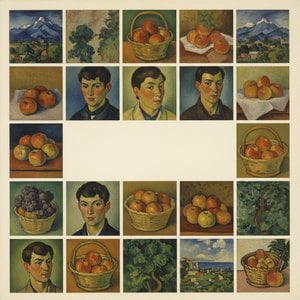
探索保罗·塞尚25幅经典杰作!深入了解后印象派大师的艺术生涯、独特技法与色彩运用。WahooArt提供高清油画复制品,为您的家居带来博物馆级艺术体验。立即发现更多名画,点亮生活空间!

Explore the rich history & techniques of oil painting – from Renaissance masters to Impressionism. Discover pigments, layering methods, and why this timeless medium endures. Expert insights for artists & art enthusiasts.

Explore 10 iconic paintings bathed in captivating light pink tones! From Monet's Impressionism to Renoir’s romance, discover the stories behind these blush-hued masterpieces. Find museum-quality art reproductions & decor inspiration at .

探索爱德华·马奈25幅经典画作,领略印象派大师的艺术魅力!从《草地上的午餐》到《奥林匹亚》,深入了解每件作品背后的故事与技法。WahooArt.com提供博物馆级高质量油画复制品,为您的家居增添艺术气息。立即探索完整系列!

Explore 10 legendary 'Oil on Board' masterpieces by Van Gogh, Monet & more! Discover art history, iconic styles like Impressionism, and find museum-quality reproductions to elevate your home decor. Explore the full collection online at WahooArt.com.


 效果预览
效果预览
 分享
分享 分享
分享
 详情
详情 指南
指南

 下载
下载
 相似作品
相似作品 X射线
X射线 幻灯片播放
幻灯片播放 统计数据
统计数据


 展开详情
展开详情









 玻璃选项仅适用于110厘米以下的尺寸。


