
博物馆级艺术微喷或帆布版画,制作高效,并提供多种饰面选择。 ( 订购纯手工绘制画作 切换至数字图像销售渠道)





























您可以从与原作比例一致的预设尺寸中进行选择。

请输入您所需的宽度和高度,以适配您的画框或墙面。由于印刷品只能进行裁剪,无法超出原图尺寸,因此若比例不一致,画面的一部分将会被裁切。在正式印刷之前,我们会为您发送一份数字效果图供您确认。本页面显示的图片并非最终裁剪后的效果——只有效果图才能展示真实的裁剪情况。
Plate depicting a
复刻品尺寸
The exquisite porcelain plate before us is more than just a decorative object; it’s a frozen moment of opulent beauty, a testament to the skill and vision of Édouard Honoré Ave, one of 19th-century France's foremost masters of floral porcelain. Executed in 1840, this piece transports the viewer to a world of Rococo extravagance – a realm where nature’s splendor is meticulously rendered with an almost obsessive attention to detail. The central figure, a male bird of paradise, dominates the circular canvas, its vibrant plumage and proud posture immediately captivating the eye. The plate's design speaks volumes about the artistic sensibilities of the era, reflecting a fascination with exotic flora and fauna alongside a deep appreciation for aristocratic symbolism.
Ave’s work is firmly rooted in the Rococo style, characterized by its emphasis on elegance, grace, and lavish ornamentation. This plate exemplifies this perfectly; the delicate brushwork, the vibrant color palette – achieved through meticulous hand-painting with enamel paints – and the overall sense of abundance all contribute to a feeling of luxurious delight. The raised rim and gilded accents further enhance the three-dimensional effect, creating an object that invites tactile exploration. The technique itself is remarkable: Ave and his workshop employed incredibly fine brushes to build up layers of color, achieving a level of detail rarely seen in decorative arts of the time. The use of gold leaf for highlights adds another layer of opulence, reflecting the prevailing taste for shimmering surfaces.
Beyond its aesthetic beauty, this plate is rich with symbolic meaning. The bird of paradise, a rare and exotic species, represented rarity and paradise – concepts highly valued in the Victorian era. Its depiction within a floral garland further amplifies these themes, signifying wealth, status, and an idealized vision of nature. The crown subtly incorporated into the composition adds another layer of symbolism, referencing royalty or nobility—a common motif in decorative arts intended to elevate the viewer’s experience.
Created in 1840, this plate offers a fascinating glimpse into the artistic and cultural landscape of mid-19th century France. Édouard Honoré Ave was working during a period of significant artistic innovation, influenced by the legacy of Paul Delaroche, his mentor. His work reflects the prevailing tastes for historical subjects and religious iconography, but also demonstrates a keen eye for natural beauty – particularly evident in his masterful depictions of botanical studies. The plate’s meticulous craftsmanship and opulent style speak to the wealth and sophistication of the era's elite.
馆藏于 阿茹达国家宫 的 爱德华·奥诺雷·阿夫 的《Plate depicting a》 属于 属于公有领域 —— 其版权已过期。这一状态决定了该图像是否可以进行复制。
"Plate depicting a" 与 爱德华·奥诺雷·阿夫 的其他作品一样,都体现了 Rococo 风格以及其一贯的主题:rococo opulence & grace, exoticism, asian influence, aristocratic luxury & status, symbolic paradise imagery, royal patronage & display, botanical studies elevated。
在“Plate depicting a”中,Oil On Canvas技法与Rococo运动交相辉映。

在十九世纪巴黎那充满活力的心脏地带,那是一个工业进步与对古典美深切崇敬并存的时代,爱德华·奥诺雷·阿夫(Édouard Honoré Ave,1818–1890)作为装饰艺术的大师脱颖而出。他的生命与作品宛如一扇窗,让我们窥见那个纯艺术与精湛工艺之间界限被美妙地模糊化的时代。出生于巴黎,阿夫深受当时知识分子思潮与艺术热情的熏陶,并在法国绘画的显赫传统中找到了早期的灵感源泉。他的艺术成长深受传奇人物保罗·德拉罗什的影响,后者对历史叙事和细腻细节的精湛掌控,使阿夫终其一生都致力于追求艺术的精准与宏大。
尽管许多同时代的艺术家试图通过宏大的历史剧画布来寻求名声,但阿夫却在亲密与装饰性的艺术中找到了真正的天职。他拥有一种罕见的能力,能够将古典绘画的壮丽精神转化为瓷器细腻的表面。他最负盛名的作品——那些精美的瓷盘——不仅仅是餐具,更是捕捉了洛可可优雅与植物学准确性的微型杰作。通过这些作品,阿夫将自然界的光辉引入了日常生活领域,将平凡的器物升华为高雅艺术的载体。
爱德华·奥诺雷·阿夫的艺术造诣在其次生植物研究和花卉静物画中体现得最为深刻。他的技法以对准确性的坚定追求为特征,这一特质继承自其严谨的学术训练。无论是描绘山茶花柔软如天鹅绒般的瓣膜,还是罂粟花鲜艳且富有结构感的形态,阿夫都运用了一种能为瓷器注入生命的色调。他的构图往往呈现出光影与纹理之间复杂的相互作用,并经常通过华丽的金饰和错综复杂的边框进行强化,这些元素呼应了新古典主义与洛可可风格。
除了简单的花卉排列,阿夫的作品还经常融入自然界中奇幻的元素,在圆形的画框内创造出更为复杂的叙事。他的瓷盘作品经常展示:
这种对细节的极致掌控,使他能够架起科学植物插画与纯粹审美装饰之间的桥梁,令他的作品成为纯艺术收藏家与古董瓷器收藏家共同追捧的对象。
阿夫的职业生涯以积极参与法国享有盛誉的艺术机构为标志。作为法国艺术家协会的一员,他参与了定义巴黎艺术界的至关重要的文化对话。他在沙龙——那个时代最重要的展览平台——上的亮相,为他在精英阶层中建立声望提供了必要的曝光度。这种参与确保了他的装饰性创新不仅被视为手工艺,更被承认为纯艺术的正统延伸。
爱德华·奥诺雷·阿夫的历史意义在于,他能够在剧变的世纪中,保护并演进法国的装饰传统。通过将导师的古典影响与对自然主义细节日益增长的兴趣相结合,他创造了一系列永恒的作品。时至今日,他的瓷器作品仍被视为19世纪法国装饰艺术的典范,代表了一个美感、精准与奢华和谐交织的辉煌时代。

1818 - 1890 , 法国

Immerse yourself in the splendor of Rococo art. Discover the era of elegance through masterworks by Watteau and Fragonard. Explore themes of romance, aristocratic leisure, and gilded ornamentation in this definitive guide to 18th-century French opulence.

Discover the breathtaking elegance of Rococo portraiture. Explore an expert guide to 18th-century mastery, from pastel palettes to aristocratic grandeur, and learn how to bring this era of opulence into your home through museum-quality oil reproductions.
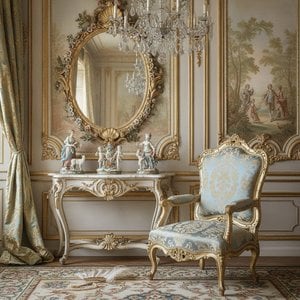
Discover the exquisite allure of Rococo art. Explore a curated guide to 18th-century French masterpieces, from Watteau to Fragonard, and learn how hand-painted oil reproductions can bring timeless elegance and luxury to your sophisticated interior design collection.

 实景预览
实景预览
 分享
分享 分享
分享
 详情
详情 指南
指南

 下载作品
下载作品
 相似作品
相似作品 X射线
X射线 幻灯片播放
幻灯片播放 Q&A
Q&A 统计数据
统计数据


 展开全文
展开全文









 玻璃选项仅适用于110厘米以下的尺寸。


