
 Tempera On PanelWallArtGothic Revival
 1300Late Medieval
 128.0 x 234.0 cm
 Pinacoteca Nazionale
博物馆级艺术微喷或帆布版画,制作高效,并提供多种饰面选择。 ( 购买手绘画作 切换至数字图像销售渠道)





























从与原作比例一致的预设尺寸中进行选择。

您可以输入自定义尺寸,以适配特定的画框或空间。如果您选择的尺寸与原图比例不符,我们将对作品进行裁剪,或通过镜像填充/纯色填充边缘的方式来扩展图像。在开始制作之前,我们会向您发送一份数字效果图供您确认。
请注意,屏幕上的预览并不能反映实际的裁剪或扩展效果。只有效果图才能准确展示最终的构图。
虽然我们提供定制尺寸,但为了保持原图比例,我们建议您从预设列表中选择尺寸。

Polyptych No. 28
复制品尺寸
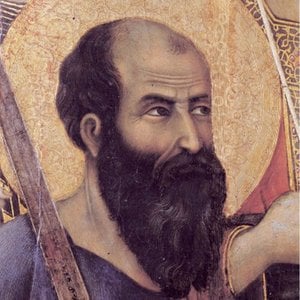
To stand before Duccio di Buoninsegna's Polyptych No. 28 is to step through a portal into the spiritual heart of the early fourteenth century. Housed within the prestigious Pinacoteca Nazionale in Siena, this monumental altarpiece is far more than a mere collection of religious panels; it is a profound meditation on the intersection of the divine and the human. Painted around 1300, the work captures a pivotal moment in art history when the rigid, golden stillness of the Byzantine tradition began to breathe with a newfound, tender humanity. Through his masterful use of tempera on wood, Duccio invites the viewer into a sacred space where every brushstroke serves to illuminate the theological depths of the Christian narrative.
The composition of this polyptych is a masterclass in narrative and spiritual hierarchy. At its very core, the artwork presents a moving depiction of Jesus Christ cradling Saint John the Baptist—a motif rich with symbolic weight, representing divine protection and the prophetic destiny of the infant saint. As the eye wanders across the five panels, one encounters a celestial assembly: figures of profound humility and contemplation flank the central mystery, while other panels depict saints and devotees in states of deep prayer. This arrangement does not merely display holy figures; it orchestrates a liturgical experience, guiding the observer from the intimate warmth of the Christ Child to the solemn, collective devotion of the faithful.
Duccio’s technical prowess is most evident in his ability to manipulate light to evoke the ethereal. Utilizing the meticulous technique of tempera on wood, he layered pigments to create a characteristic luminosity that seems to emanate from within the panels themselves. This method allowed for a subtle gradation of color, essential for his groundbreaking move toward naturalism. Unlike the flat, symbolic icons of the preceding era, Duccio’s figures possess a soft, sculptural presence. The delicate interplay of light and shadow on the drapery and skin tones lends a sense of weight and reality to the holy subjects, making the divine feel tangibly present within our earthly realm.
For the discerning collector or interior designer, the aesthetic appeal of this piece lies in its ability to command presence through both grandeur and grace. The shimmering gold leaf, often used in such Sienese masterpieces, provides a regal backdrop that catches the light, making it an extraordinary focal point for any space dedicated to contemplation or sophisticated classical decor. The artwork embodies a transition from the stylized to the soulful, offering a visual richness that remains as captivating today as it was in the vibrant, incense-filled atmosphere of medieval Siena.
Beyond its technical brilliance, Polyptych No. 28 resonates because of its profound emotional intelligence. Duccio was a pioneer of the Sienese School, an artist who dared to infuse sacred iconography with human emotion. In the gentle tilt of a head or the solemn gaze of a kneeling saint, we see the dawn of a more intimate connection between the viewer and the divine. This shift toward humanism—the idea that the holy can be understood through human feeling—is what gives this polyptych its enduring power.
Owning or displaying a high-quality reproduction of such a masterpiece allows one to bring this historical bridge into a modern setting. It serves as a reminder of a time when art was the primary language of the soul, offering an atmosphere of peace, reverence, and timeless beauty. Whether viewed as a historical document of the Gothic era or as a stunning example of Italian mastery, Duccio’s work continues to inspire awe, making it a cornerstone for any collection celebrating the evolution of Western art.
杜乔·迪·布奥尼内格纳(Duccio di Buoninsegna,约1255年–1319年)是意大利西恩纳画派最重要的代表人物之一,也是中世纪晚期意大利艺术向哥特式风格转变的关键人物。他的一生与西恩纳这座城市的兴衰紧密相连,他的作品不仅展现了精湛的绘画技巧,更体现了当时宗教信仰和社会文化背景下的深刻思考。杜乔并非仅仅是一位画家,他更像是一位革新者,大胆地将拜占庭传统与新兴的自然主义相结合,为意大利绘画的发展开辟了新的道路。
关于杜乔的早期生活知之甚少,但可以确定的是,他出生于西恩纳附近的布奥尼内格纳小镇。他的父亲是一位工匠,这或许也影响了他对细节和工艺的重视。在13世纪末,西恩纳正处于鼎盛时期,这座城市以其繁荣的商业和强大的政治力量而闻名。杜乔早期的作品深受拜占庭艺术的影响,金色的背景、程式化的人物形象以及对宗教象征意义的强调,都体现了这种影响。然而,即使在这些受限制的框架内,杜乔也开始尝试引入新的元素,例如更灵活的空间安排和更加微妙的色彩运用。他逐渐意识到,仅仅遵循传统并不能满足人们对于艺术表达的需求,需要将情感融入到作品之中。
1285年,杜乔创作了《卢卡堡圣母》(Rucellai Madonna),这幅画作标志着他艺术风格的一个重要转折点。虽然仍然保留了拜占庭绘画的一些特征,但作品中人物形象更加生动,表情也更富于情感。杜乔开始尝试运用透视技巧来营造空间感,使画面不再是平面化的,而是呈现出一种立体的效果。圣母的衣褶和面部表情都经过精心刻画,展现了艺术家对人性的深刻理解。《卢卡堡圣母》不仅是一幅宗教作品,更是一件充满人文关怀的艺术品,它预示着杜乔将要开创的一种新的绘画风格。
杜乔最伟大的成就无疑是1308年至1311年创作的《 maestà》(大圣母)。这幅巨大的祭坛画,为西恩纳大教堂而作,是杜乔艺术生涯的巅峰之作。作品由多块面板组成,描绘了圣母玛利亚和耶稣基督的一生故事。在《 maestà 》中,杜乔将拜占庭绘画的传统与哥特式绘画的新元素完美地结合在一起。他运用鲜艳的色彩、精细的线条和富有表现力的面部表情,创造了一个充满神性和人性的世界。作品中的每一个细节都经过精心设计,从圣母的服饰到天使的翅膀,无不体现了杜乔对艺术的极致追求。《 maestà 》不仅是一件伟大的艺术品,更是西恩纳画派的奠基之作,它影响了后世无数的艺术家。
杜乔的艺术风格对意大利绘画产生了深远的影响。他开创的西恩纳画派,培养了一批杰出的画家,如西蒙内·马丁尼、利波·梅米和洛伦采蒂兄弟等。他们的作品继承了杜乔的传统,并在此基础上不断创新。《 maestà 》也成为了后世艺术家学习的典范,它对文艺复兴时期的绘画产生了重要的影响。尽管在艺术史上,杜乔有时会被吉奥托的光芒所掩盖,但他的贡献是不可磨灭的。他是一位伟大的画家,一位杰出的革新者,一位西恩纳画派的奠基人。他的作品不仅展现了精湛的绘画技巧,更体现了对宗教信仰和人文精神的深刻理解。
1255 - 1319 , 意大利

Journey through history with 10 legendary tempera on panel masterpieces. From Renaissance icons to gold-leafed wonders, explore the stories behind these timeless works and find museum-quality art reproductions for your space. Discover all masterpieces on WahooArt.com.

Journey through the divine elegance of Duccio di Buoninsegna. Explore 25 iconic Sienese masterpieces, from the Maestà to the Rucellai Madonna. Find inspiration for museum-quality art reproductions and timeless decor. Discover all masterpieces on WahooArt.com.


 效果预览
效果预览
 分享
分享 分享
分享
 详情
详情 指南
指南

 下载
下载
 相似作品
相似作品 X射线
X射线 幻灯片播放
幻灯片播放 统计数据
统计数据 展开详情
展开详情









 玻璃选项仅适用于110厘米以下的尺寸。


