购买高分辨率增强版数字图像,其品质远超在线预览。
每一份文件都由我们的内部专家使用先进工具与专业的后期润色技术精心打造。我们确保每一张图像都具备卓越的清晰度、精准的色彩还原度以及细腻的细节表现。
最终文件将在 72 小时内通过电子邮件交付,并针对专业、编辑及印刷用途进行了优化。其品质与顶级设计工作室、出版社和画廊所信赖的标准完全一致。
选择 WahooArt.com,您获得的不仅仅是一张图像——您收到的是经过专业级增强、精雕细琢的数字艺术作品,并享有满意保证。以下是您的订单中自动包含的所有内容:

您的高分辨率数字图像文件将在下单后 72 小时内通过电子邮件发送给您 —— 即可立即使用。

您的艺术品经过专业优化,结合先进的 AI 技术与人工修饰,确保呈现极致的细节、清晰度与色彩准确度。

不小心删除了文件或找不到了?没关系——我们将随时为您免费重发。

即刻拥有您的艺术作品,无需支付任何关税、税费或运费——数字下载始终免税。

我们通过专业工具与色彩管理技术,确保您的数字图像尽可能真实地还原原作色彩。

如果您对所购数字图像不满意,我们将在100天内为您进行修改或提供100%的全额退款——无需任何理由。

不满意?在收到数字文件后的100天内,您可以申请全额退款——无需任何理由。

购买 3 张图片可享 10% 折扣 - 购买 5 张可享 15% 折扣 - 购买 10+ 张可享 20% 折扣。非常适合创意项目、画廊和机构使用。

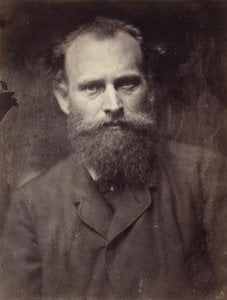
André-Adolphe-Eugène Disdéri’s name is inextricably linked to a pivotal moment in photographic history – the rise of mass portraiture. Born in Paris in 1819, Disdéri wasn't initially destined for the world of images; his early life involved various occupations, including working as a clerk and even a stagehand. However, a fascination with art and a burgeoning interest in the nascent technology of photography led him to embrace the medium, beginning his career as a daguerreotypist – a process known for its exquisite detail but also its cumbersome nature and high cost. It was this initial experience that ultimately fueled his ambition: to democratize portraiture and make it accessible to the masses.
Disdéri’s breakthrough came with the invention of the carte de visite, a small photographic image mounted on a card – roughly the size of a modern business card. This innovation was revolutionary. Previously, portraits were largely the domain of the wealthy, requiring lengthy sittings and expensive prints. The carte de visite system allowed for multiple images to be produced from a single negative, dramatically reducing costs and making portrait photography a viable option for a wider audience. His meticulous approach to lighting and composition, combined with his understanding of mass production techniques, ensured that these small portraits were not merely reproductions but carefully crafted works of art.
Disdéri’s system quickly gained traction across Europe and America. His studio in Paris became legendary – dubbed by one visitor as “the Temple of Photography.” The atmosphere was opulent, reflecting the immense popularity of his service. He understood that presentation was key; he employed a team of assistants to dress subjects in fashionable attire, arrange elaborate backgrounds, and ensure a polished experience for each client. This theatrical approach elevated portraiture beyond a simple recording of likenesses, transforming it into a social event.
Crucially, Disdéri’s invention wasn't simply about replicating existing images; he actively promoted the format through clever marketing and strategic partnerships. He recognized the potential for mass distribution and collaborated with printing firms to streamline production. His meticulous attention to detail extended beyond the photographic process itself – he even designed the cards themselves, ensuring a consistent aesthetic that reinforced the carte de visite’s status as a fashionable collectible.
Beyond the carte de visite, Disdéri was a prolific inventor. He developed several significant photographic techniques, including a system for producing multiple prints from a single negative – a crucial step in enabling mass production. However, his most enduring legacy may be the invention of the twin-lens reflex camera (TLR) in 1856. This revolutionary device, which allowed photographers to see the image they were composing through the lens before taking the shot, fundamentally altered the way photographs were made and influenced countless subsequent cameras.
The TLR offered a level of control and precision previously unavailable, allowing for greater artistic expression. Disdéri’s design was remarkably intuitive and adaptable, contributing significantly to its widespread adoption by both professional photographers and amateurs alike. It stands as a testament to his inventive spirit and his deep understanding of photographic principles.
Despite his immense success, Disdéri's life ended in relative obscurity and poverty. The ease with which his system could be copied led to a flood of imitators, eroding his profits and diminishing his reputation. He died in 1889, a victim of the very innovation he had pioneered – a poignant reminder of the challenges faced by early pioneers in any technological field.
Nevertheless, André-Adolphe-Eugène Disdéri’s contribution to photography is undeniable. He didn't just capture images; he fundamentally changed how people viewed and interacted with them. He democratized portraiture, popularized the carte de visite, and invented a camera that would shape the future of photographic practice. His legacy endures not only in the countless portraits preserved as cartes de visite but also in the enduring influence of his innovations on the art form itself. He truly architected the snapshot age, forever altering our relationship with visual representation.

1819 - 1889 , France


 效果预览
效果预览
 切换至版画销售渠道
 分享
分享 分享
分享
 详情
详情

 下载
下载
 相似作品
相似作品 X射线
X射线 幻灯片播放
幻灯片播放 统计数据
统计数据


 展开详情
展开详情