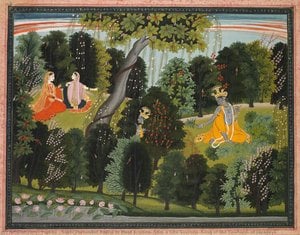
Contemporary Realism
 2019
2019 30.0 x 30.0 cm
 Sandeep - Gitanjali Maini Foundation
由我们的艺术家按需定制,为您提供您所选尺寸及画框的布面手工油画。 ( 切换至版画销售渠道 切换至数字图像销售渠道)





























从与原作比例一致的预设尺寸中进行选择。

您可以输入自定义尺寸,以适配特定的画框或空间。如果所选尺寸与原图比例不符,我们将通过裁剪作品或添加手绘元素来扩展画面。数字样稿将在制作开始前发送给您确认。
请注意,屏幕预览无法准确反映实际的裁剪或扩展效果,只有样稿才能真实呈现最终的构图。
虽然我们提供定制尺寸服务,但为了保留原作比例,建议您从预设列表中选择尺寸。

Mahavishnu in LED
复制品尺寸

Dinesh Magar, a name quickly gaining prominence in the Indian art scene, is more than just a painter; he’s a modern alchemist transforming base metal into enduring works of vibrant beauty. Born in Bengaluru, India, in 1994, Magar has carved a unique niche for himself through his mesmerizing brass-etched enamel paintings. These aren't merely decorative pieces—they are statements of timelessness, imbued with a metallic sheen and bold hues designed to captivate for generations, even boasting an estimated lifespan of a millennium.
Magar’s artistic journey began with a formal education in Applied Art at the Karnataka Chitrakala Parishath (CKP), graduating in 1993. However, his path wasn't immediately linear. He initially honed his skills as an art visualiser within the advertising industry and later delved into Visual Merchandising for Madura Garments. This commercial experience proved invaluable, sharpening his eye for detail and understanding of visual impact. He founded Kalpa Corporate Artz, a company dedicated to creating high-quality reproductions of artworks from palaces and museums, alongside providing art consulting services. This venture underscored his desire to make art accessible while maintaining its integrity.
While successful in the corporate art world, Magar felt a pull towards more personal expression. He began experimenting with various media, eventually finding his calling in brass as a canvas. His process is meticulous and demanding, beginning with detailed pencil and pen drawings that are then painstakingly transferred onto sheets of brass. The real magic happens next: intricate etching followed by the application of vibrant enamels—special stoving and UV paints carefully mixed to achieve desired colors. These plates undergo multiple firings in industrial ovens at high temperatures, ensuring a permanent bond between metal and pigment. The final stages involve scrubbing, lacquering, and buffing, resulting in a lustrous surface that radiates light.
Magar’s technique isn't simply about technical skill; it’s a deliberate homage to traditional Indian art forms. He openly acknowledges the influence of Thanjavur and Mysore paintings, viewing his work as a “contemporary avatar” of these historically rich styles. The use of Swarovski crystals further elevates the pieces, adding another layer of brilliance and luxury.
The subject matter within Magar’s paintings often draws from Hindu mythology and spiritual iconography. His depiction of ‘Mahavishnu in LED’, for example, is not just a visual representation of the deity but an exploration of ancient symbolism rendered through a modern lens. The vibrant colors aren't arbitrary; they are carefully chosen to evoke specific emotions and energies associated with the divine figure. He doesn’t merely recreate religious imagery; he reinterprets it, infusing it with his unique artistic vision.
A collaborative project with veteran photographer Sudhir Ramchandran further highlights Magar's commitment to understanding how his art interacts with its environment. By documenting the reactions of his artwork under five different lighting conditions, he revealed the dynamic interplay between light, color, and perception—a testament to the depth and complexity embedded within each piece.
Dinesh Magar’s work has garnered attention from art historians and collectors alike. Choodamani Nandagopal, a respected figure in the art world, praised the “wide-ranging palette and decorative elements” of his paintings, emphasizing the “deft hands and sensitive mind” required to execute them. Exhibitions at Gallery g in Bengaluru, organized in association with the Sandeep & Gitanjali Maini Foundation, have further solidified his position within the contemporary Indian art landscape.
Magar’s ambition extends beyond mere aesthetic appeal. He envisions his paintings as “priceless treasures” for museums and collectors worldwide—enduring works that transcend time and cultural boundaries. His dedication to creating art with a lifespan of over 1,000 years is not just a technical boast; it's a philosophical statement about the power of art to connect us to the past, present, and future. He represents a fascinating intersection of tradition and innovation, proving that true artistry lies in the ability to transform materials—and ideas—into something truly lasting.

1994 - , India
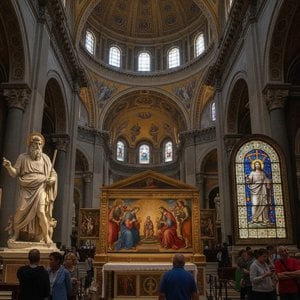
Explore the profound beauty of sacred art through a curated journey of masterpieces. From Renaissance iconography to Baroque drama, discover how history's greatest artists captured the divine presence in timeless works of spiritual transcendence.
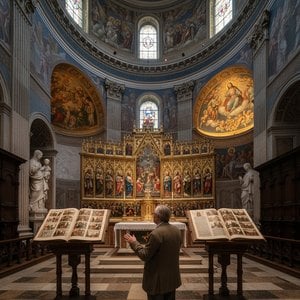
Explore the profound beauty of iconic religious artworks. From Renaissance masterpieces to sacred iconography, our expert guide delves into the spiritual power, symbolism, and enduring legacy of history's most divine paintings for the true art enthusiast.
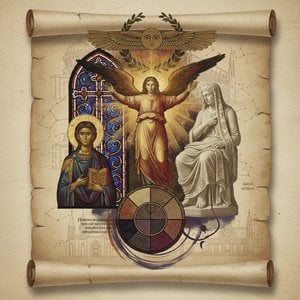
Explore the profound impact of spiritual themes in fine art. From Renaissance iconography to Baroque drama, discover how sacred symbolism and divine visions have shaped art history through a scholarly and reflective lens.

Embark on a profound journey through art history with our exploration of spiritual artworks. Discover the deep symbolism, emotional resonance, and transcendent power found in sacred Renaissance, Baroque, and Nabis masterpieces curated for the true classical art enthusiast.


 效果预览
效果预览
 分享
分享 分享
分享
 详情
详情 指南
指南

 下载
下载
 相似作品
相似作品 X射线
X射线 幻灯片播放
幻灯片播放 统计数据
统计数据 展开详情
展开详情









 玻璃选项仅适用于110厘米以下的尺寸。